Hotter summer, higher electricity bills loom across the U.S.
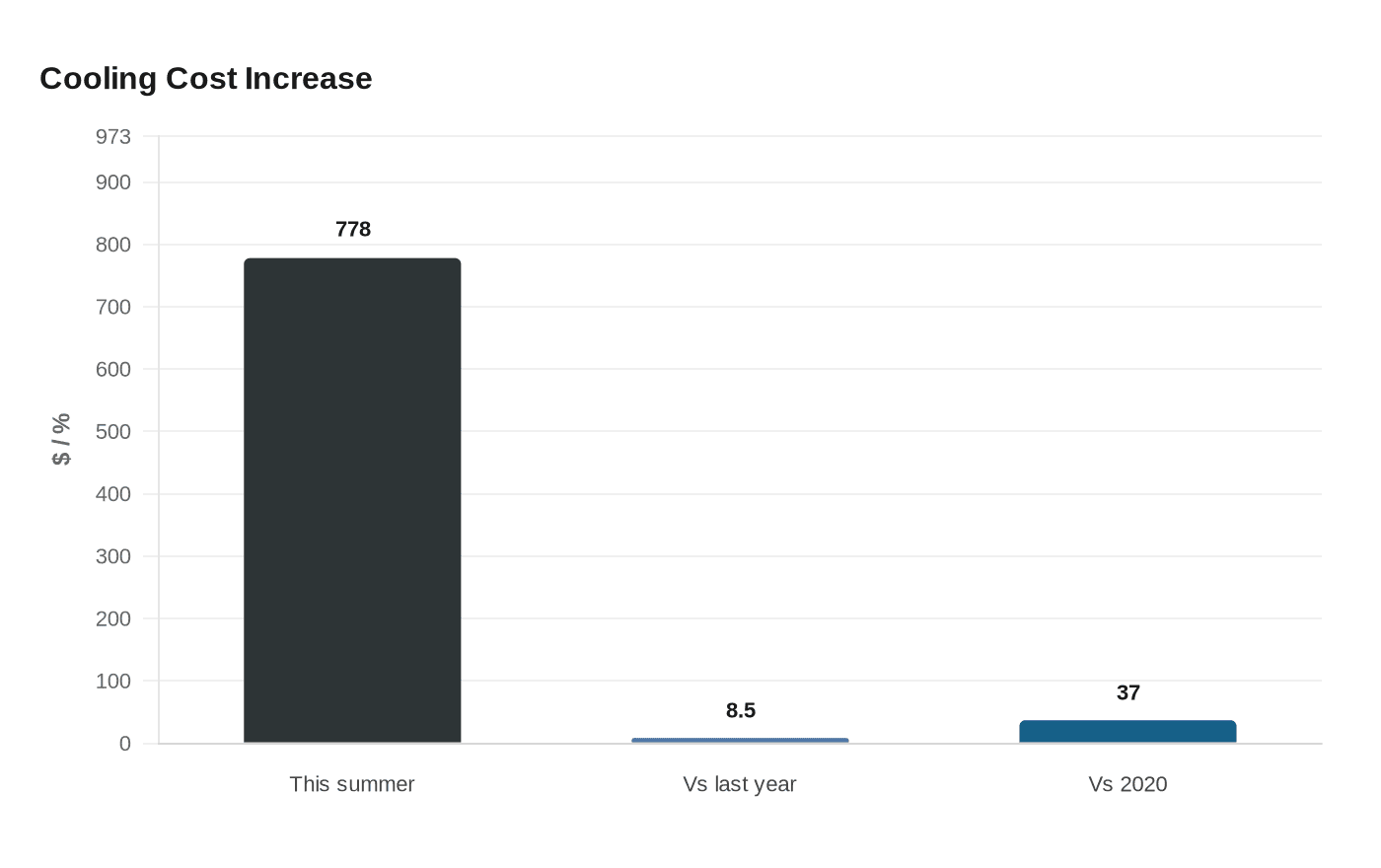
Cooling a home is projected to cost $778 this summer, as residential power prices rise to 18.2 cents per kilowatthour and heat settles over much of the U.S.
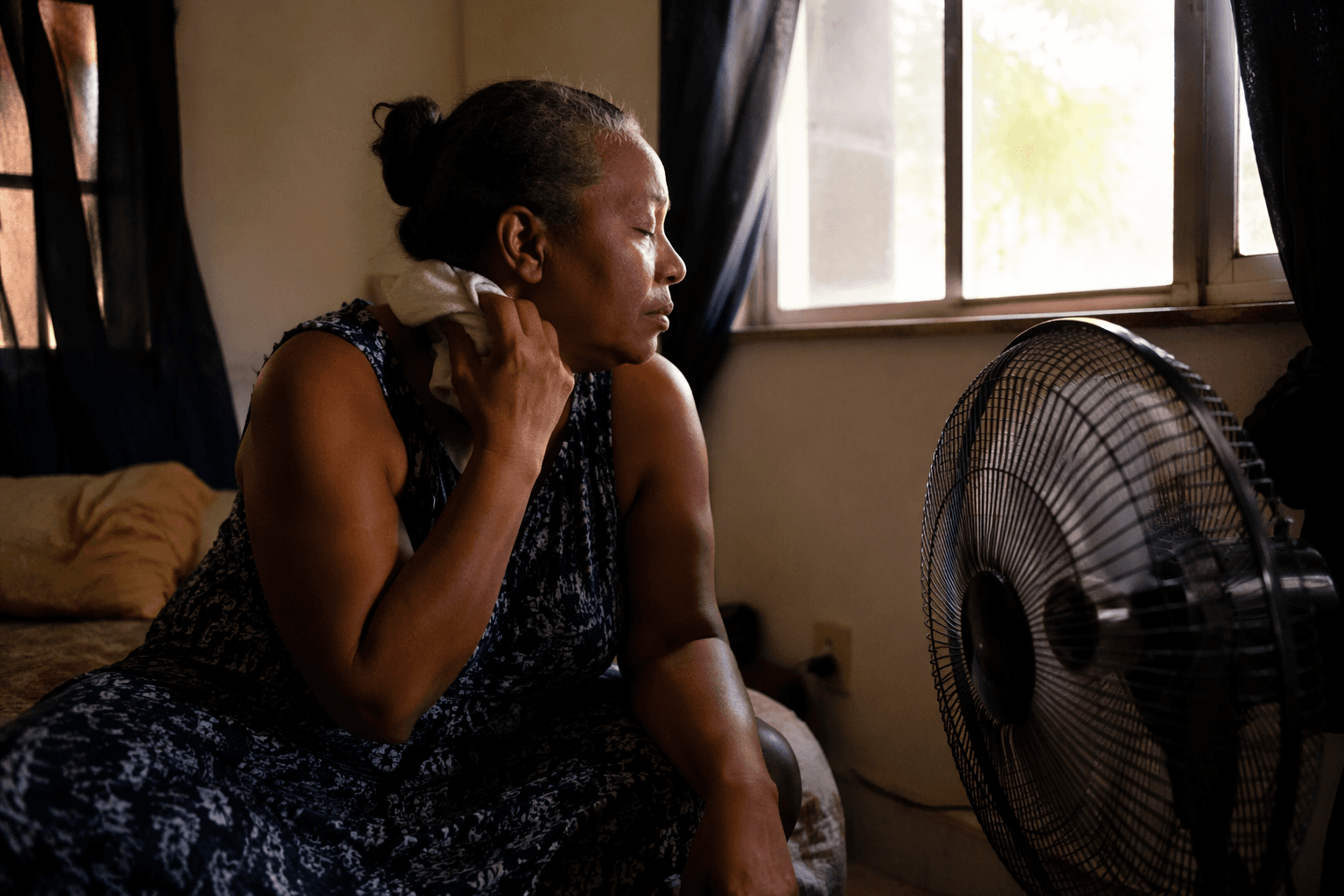
Keeping the air conditioner running is getting pricier for many households. The average cost to cool a home from June through September is projected to reach $778 this summer, up 8.5% from last year and 37% from 2020, a jump that lands hardest on low-income families and older adults already struggling to pay utility bills.
The pressure is coming from both sides of the ledger: hotter weather and higher electricity prices. The U.S. Energy Information Administration forecasts that the average price paid by residential electricity customers will reach 18.2 cents per kilowatthour in 2026, nearly 5% above 2025, and says retail electricity prices have risen faster than inflation since 2022. The agency expects that trend to continue through 2026 as utilities pass along higher fuel costs and grid-upgrade spending tied to extreme weather and rising demand.
Demand itself is still climbing. The EIA expects U.S. electricity consumption to approach almost 4,250 billion kilowatthours in 2026, up 1.3% from 2025, with commercial use, including data centers, driving much of the growth. Residential prices are rising in every region, and the sharpest increases are expected on the East Coast, especially in the Mid-Atlantic, East North Central and South Atlantic, where annual residential price growth could run 5% to 7% between 2024 and 2027.
Weather forecasts are adding to the strain. NOAA’s Climate Prediction Center said on May 14 that El Niño is likely to emerge soon, and its May outlook tilts toward above-normal temperatures across much of the contiguous United States. That combination points to heavier air-conditioning use just as families are already bracing for bigger monthly bills.
The affordability problem is not just about comfort. The National Energy Assistance Directors Association warns that families may face heat-related health risks if they cannot afford cooling, and says the cost of home cooling could exceed $900 in some Southern states. NEADA’s executive director, Mark Wolfe, has warned that summer cooling is becoming less affordable even as it becomes more necessary, and that some households could end up in the hospital if they try to go without air conditioning.
NEADA, which represents state and local officials who administer federal Low Income Home Energy Assistance Program grants, says the gap between what households owe and what assistance covers is widening. Its 2026 forecast, published on April 27, says the crisis is being deepened by higher electricity prices, rising cooling demand, limited access to air conditioning and insufficient federal and state aid. As the heat rises, affordability is becoming a reliability issue of its own.
Know something we missed? Have a correction or additional information?
Submit a Tip