House forces new DHS funding vote as GOP cites Iran strikes, Democrats resist
House Republicans are forcing another vote on a near-identical DHS funding bill this week, saying recent strikes on Iran make a funding lapse dangerous while Democrats demand immigration policy changes.
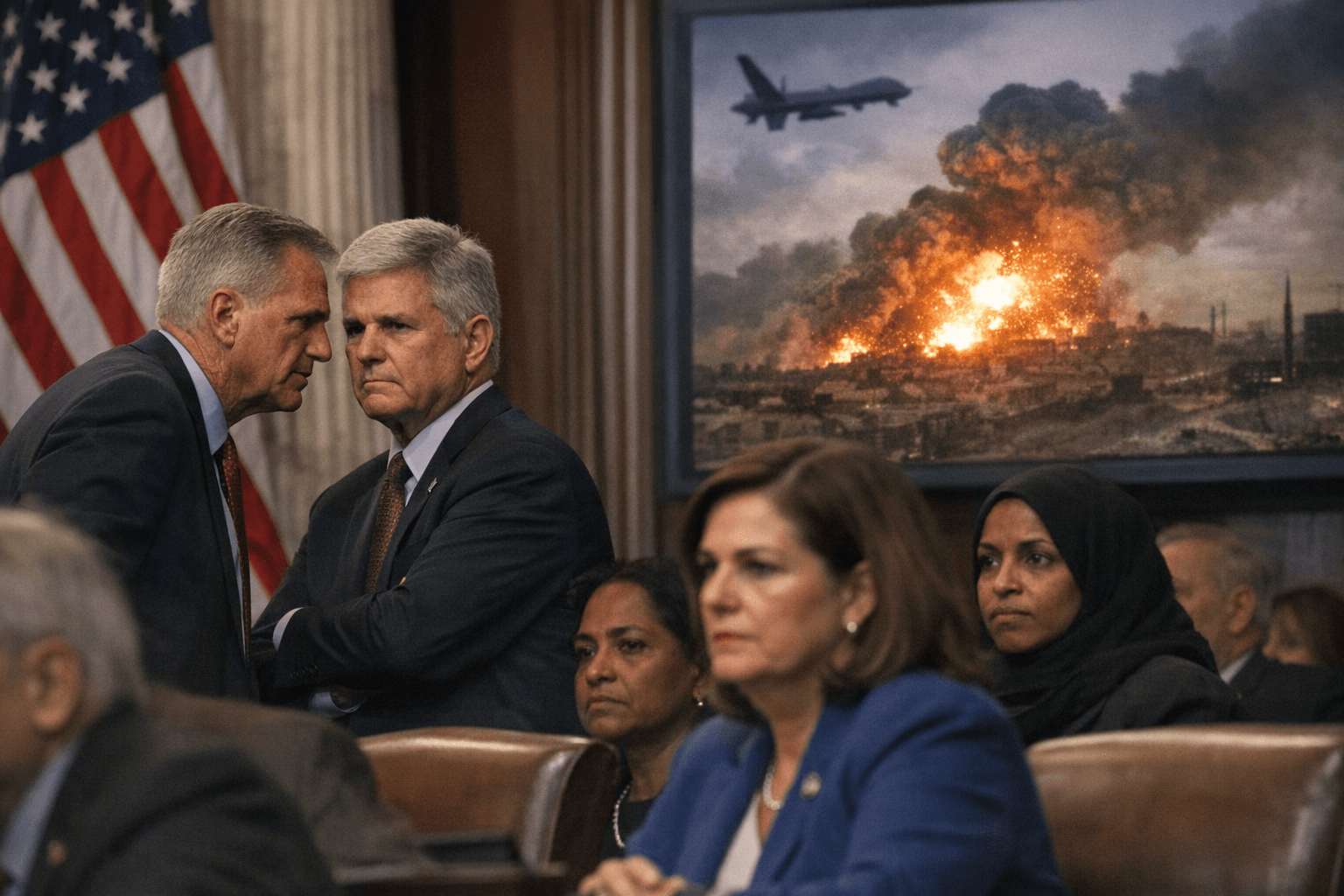
House Republicans are pressing the House to vote again this week on a nearly identical Department of Homeland Security funding bill, arguing that President Trump’s decision to strike Iran and an ensuing military operation have raised immediate risks that require the department to be fully funded. Party leaders say the lapse, which began in mid-February, has already cut critical operations at TSA, CISA, the Coast Guard and the Secret Service.
The procedural fight dates back to a negotiated, conferenced DHS bill announced by the House Appropriations Committee on January 19. The House voted the measure through on January 22 by 220 to 207, according to a briefing from the National Immigration Law Center. Senate Democrats rejected the conference version on February 12, and the department entered a partial funding lapse on February 14. Multiple outlets report House GOP leaders plan to force a repeat vote this week, with three or four sources telling reporters the vote is expected on Thursday.
GOP lawmakers framed the re-vote as an urgent national security step. House Majority Leader Steve Scalise said, in comments reported by Spectrum News, that "this is no time" for the department to be shut and its "ability to protect Americans limited." Rep. Tim Walberg, in a March 2 press release, said, "The Democrats' shutdown of the Department of Homeland Security is jeopardizing our national security" and urged Democrats to back what he called bipartisan funding. Rep. Mike Lawler on X told Senate Majority Leader Chuck Schumer and House Minority Leader Hakeem Jeffries to "immediately drop all opposition to funding the Department of Homeland Security and pass the funding bill," and Rep. Don Bacon said, "It is inexcusable that Congress has not funded CISA, TSA, Coast Guard and Secret Service when we are seeing combat operations in the Middle East."
Republicans point in particular to cuts at the Cybersecurity and Infrastructure Security Agency, which analysts say coordinates federal and private-sector defenses that are especially relevant when adversaries such as Iran are viewed as active cyber threats. House Homeland Security Chair Andrew Garbarino warned in an email prior to the strikes that Iranian hackers "pose a serious threat" and that CISA must remain fully operational to deter and respond to attacks.
Democrats and immigration advocates say the urgency argument masks a dispute over immigration enforcement and accountability. Senate Democrats, according to reporting, conditioned funding on major policy changes after fatal encounters in Minneapolis involving federal immigration agents. Accounts diverge: Spectrum News reports the fight was sparked by the killing of two people by federal agents in Minneapolis, while POLITICO Pro describes the incident as the killing of a 37-year-old man; both outlets link the events to the Senate demands. The National Immigration Law Center urged senators to withhold funds for ICE and CBP and called the bill's training requirement on filming officers "simply a restatement of the law. Nothing in the bill holds officers accountable for when they violate those rights."
Policy and market implications extend beyond the Capitol. A prolonged lapse in DHS funding could raise near-term costs for transportation and trade if TSA operations are constrained, and it could increase cyber risk premiums for firms dependent on federal cybersecurity support. More broadly, the fight highlights a growing trend of tying appropriations to contentious policy demands, raising the odds of episodic funding shocks that can reverberate through supply chains and critical infrastructure.
House Speaker Mike Johnson and GOP leadership held a news conference March 4 as the party marshaled support for the re-vote, which GOP aides told reporters is designed to force Democratic leaders into a high-stakes decision. With funding deadlines and conflicting narratives about both security threats and Minneapolis incidents, the outcome will hinge on whether Senate Democrats accept the same text that passed the House in January or insist on binding policy changes before restoring full DHS funding.
This article was produced by Prism’s automated news system from verified source data, official records, and press releases, then run through automated quality and moderation checks before publishing. The system is built and supervised by the people who set the standards it runs under. Read our full AI policy.
Did this article answer your question?