House GOP Moves Toward Overnight Vote on FISA Reauthorization
House GOP leaders pushed an overnight FISA vote as Section 702 neared its April 20 sunset, while a closed rule blocked a warrant vote.
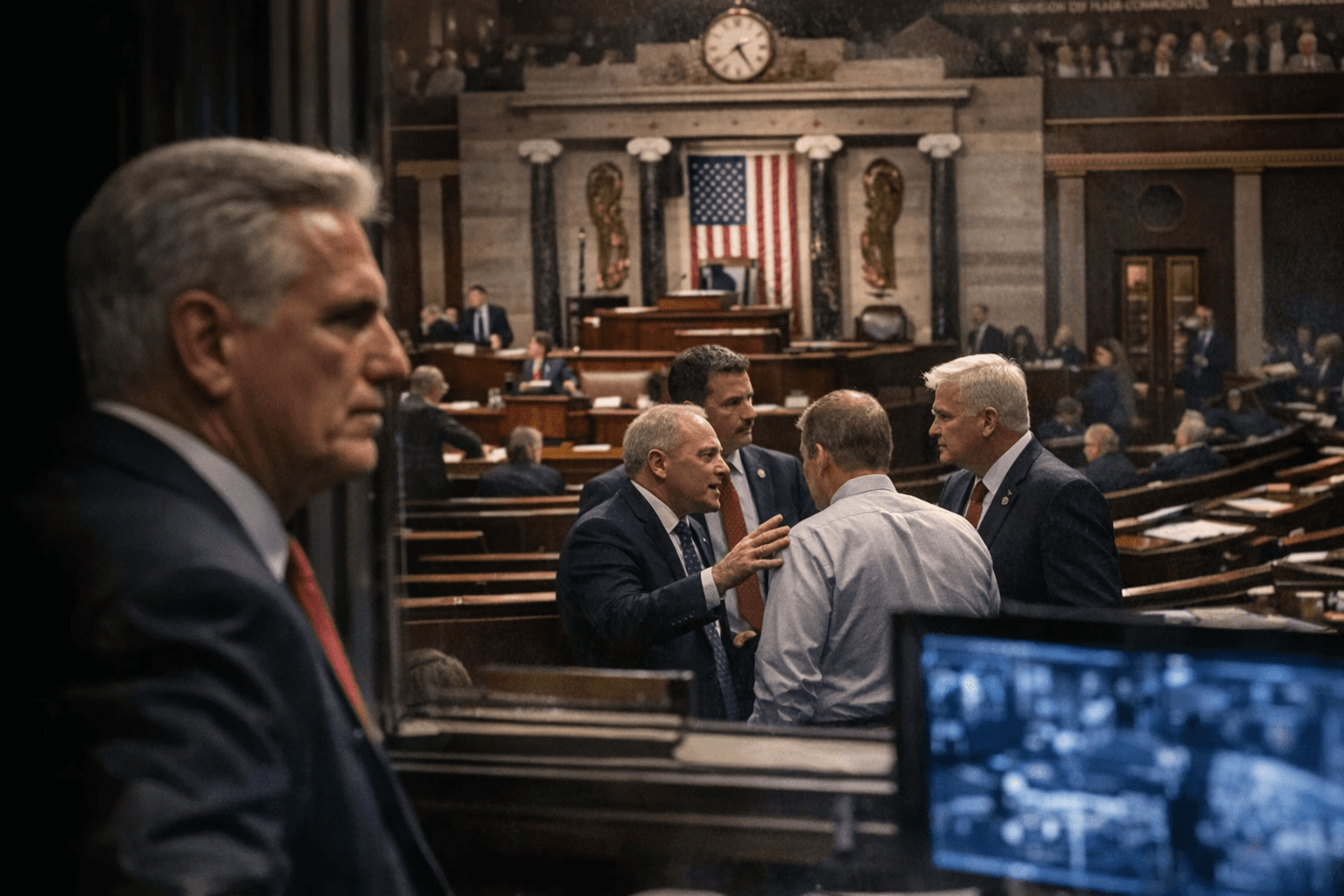
Section 702 of the Foreign Intelligence Surveillance Act lets the government surveil foreign persons outside the United States, but the power carries a domestic edge that privacy advocates have long warned about: Americans’ communications can still be swept up. That is why House GOP leaders’ move toward an overnight vote mattered beyond Capitol Hill procedure. It was a race to renew a major intelligence authority before it expired on April 20, 2026, with the next step likely unfolding after midnight and with little room left for scrutiny.
House leadership was closing in on a version with only small reforms, according to people involved in the talks, but support inside the Republican conference remained uncertain. A planned Wednesday vote had already been delayed as leaders tried to assemble enough backing, and there was still no clean extension that President Donald Trump wanted. The House Rules Committee then approved a closed rule that blocked a warrant-requirement amendment from reaching the floor, narrowing the debate before lawmakers were asked to vote on whether to keep the surveillance program alive.
The timing gave the fight added weight. Congress last reauthorized Section 702 in 2024, and the current sunset date put intense pressure on both parties to settle the matter quickly. Intelligence leaders have pushed for renewal before the deadline, arguing that the authority remains a vital tool for collecting foreign intelligence. Privacy advocates and civil-liberties groups have argued the opposite, saying Congress should not renew the program without stronger limits and more transparent safeguards.
Rep. Warren Davidson, R-Ohio, has become one of the sharpest Republican critics of a straight reauthorization. In a post Tuesday night, he said reauthorizing Section 702 without privacy reforms would be “a major disservice to the American people. Promises made must be kept!” His objection underscored the split inside the GOP, where leadership was trying to keep national-security hawks, skeptics of surveillance, and members demanding reforms aligned long enough to pass the bill.
The overnight scheduling itself became part of the story. A surveillance power with sweeping implications for privacy, intelligence collection, and congressional oversight was being renewed in the middle of the night, after a closed procedural vote had already limited amendments. For lawmakers pressing to move fast, the deadline was reason enough. For critics, the rush risked trading away the kind of debate that a program touching Americans’ communications demanded.
Sources:
Know something we missed? Have a correction or additional information?
Submit a Tip