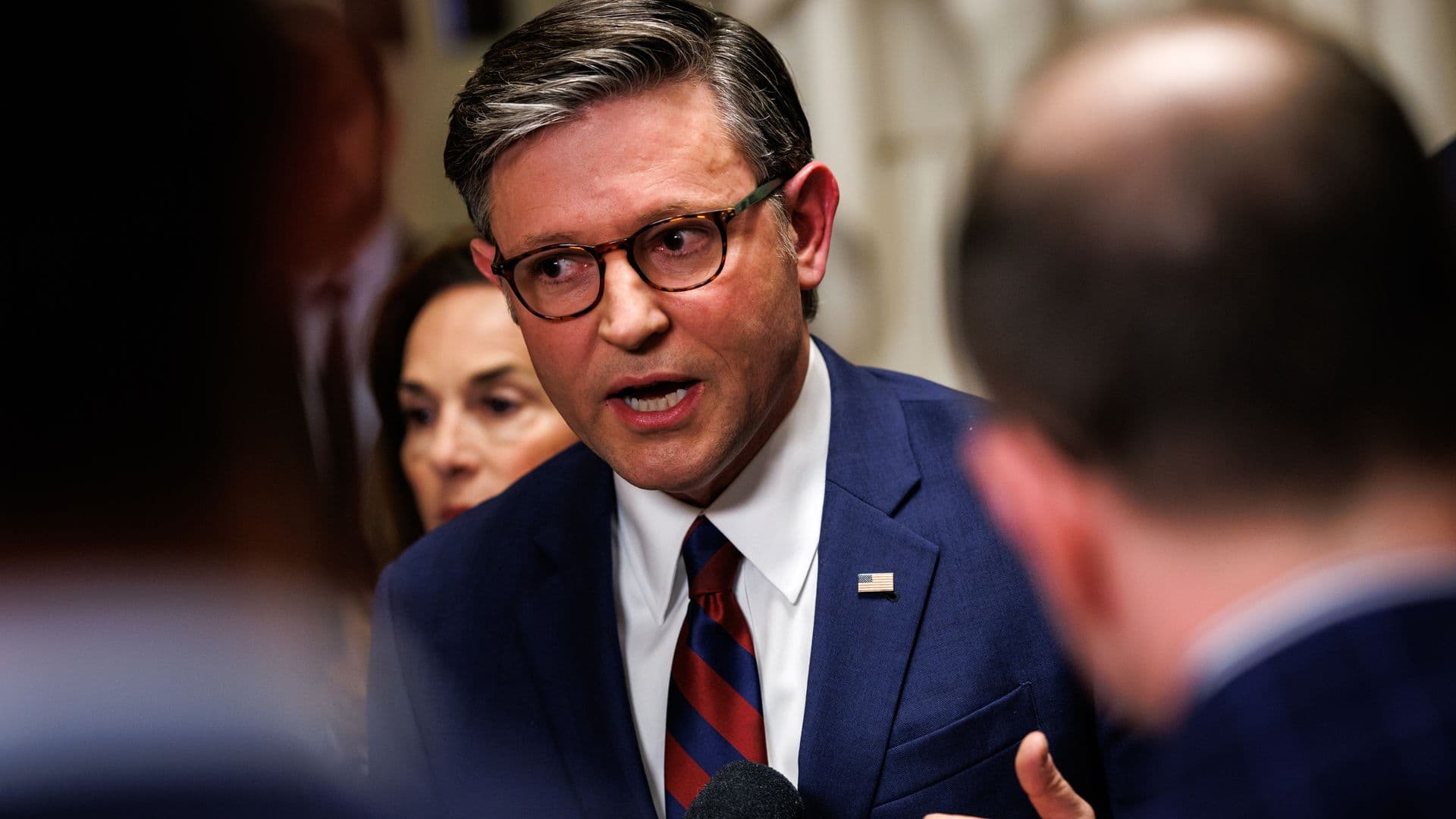
House GOP Reverses Course, Agrees to Reopen Most of DHS
House Speaker Johnson reverses course on the DHS shutdown after calling the Senate's deal a "joke," agreeing to a two-track plan as TSA workers go unpaid past 46 days.
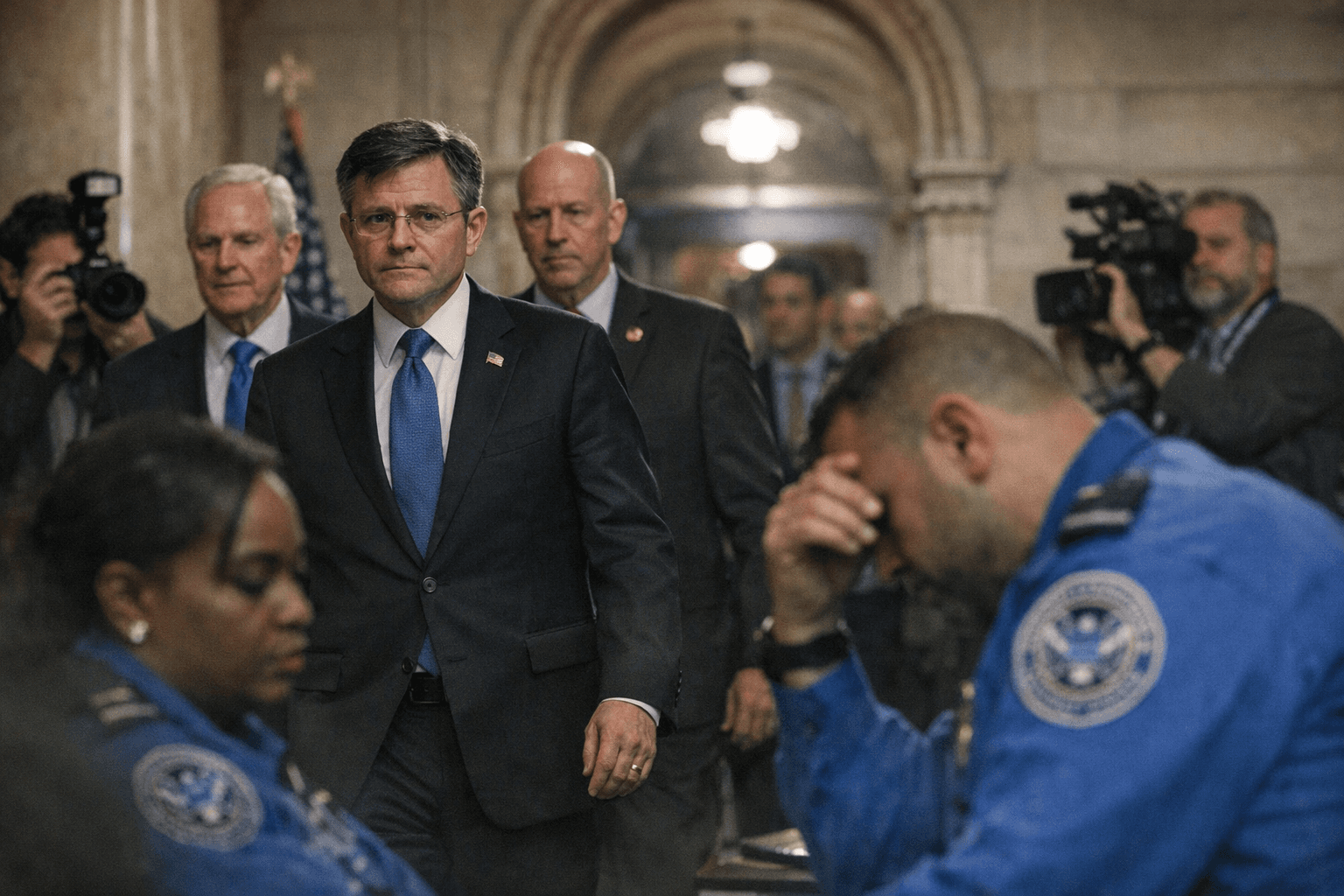
House Speaker Mike Johnson reversed course Wednesday, endorsing a plan he had dismissed as a "joke" just days earlier to reopen most of the Department of Homeland Security and end the longest government shutdown in American history.
Johnson and Senate Majority Leader John Thune announced a two-track framework that mirrors the Senate's bipartisan bill, which would fund all of DHS except Immigration and Customs Enforcement and parts of Customs and Border Protection. Funding for those two agencies would come later through budget reconciliation, a process that bypasses the Senate's 60-vote filibuster threshold and requires only a simple majority. The Senate moved Thursday morning to take the first procedural step, advancing the bill it had unanimously passed the previous week toward the House.
"In following this two-track approach, the Republican Congress will fully reopen the Department, make sure all federal workers are paid, and specifically fund immigration enforcement and border security for the next three years so that those law-enforcement activities can continue uninhibited," Johnson and Thune wrote in a joint statement Wednesday.
The shutdown began February 14, stretching past 46 days and breaking the record for the longest partial funding lapse in U.S. history. More than 100,000 DHS employees, including roughly 50,000 TSA officers, worked without pay throughout the standoff. Airports saw hours-long security lines as TSA agents resigned or called out in large numbers. President Donald Trump signed a directive ordering DHS to begin paying all of its workers as the congressional plan moved forward, with Trump having set a June 1 deadline for the reconciliation bill funding ICE and CBP.
The reversal was a significant climb-down for Johnson, who just days earlier led a 213-203 House vote to reject the Senate's bipartisan deal in favor of a House-written stopgap that fully funded all of DHS for 60 days. The Senate never took up that measure. When Johnson called the original Senate deal a "crap sandwich," he was reflecting the position of the House Freedom Caucus, which had demanded that any funding bill include money for ICE and border patrol as well as federal voter identification requirements.
That faction did not go quietly. Rep. Keith Self of Texas posted on social media minutes after the Johnson-Thune announcement: "Funding for ICE and CBP must never be separated from DHS funding." The Freedom Caucus warned more broadly that the compromise would create a template for Democrats to carve up federal agencies they oppose in future budget fights.
With both chambers on recess until April 13, no final votes are expected immediately. If House leaders pursue a fast-track procedural path to pass the Senate bill without a traditional rule vote, they would need two-thirds of the chamber, a threshold that will require significant Democratic support given conservative holdouts. The exact timing and vote count remain unresolved, leaving the shutdown's end date uncertain even as congressional leaders declared a deal is in hand.
Sources:
Know something we missed? Have a correction or additional information?
Submit a Tip