House Judiciary Committee advances 25-foot HALO Act buffer for on-duty first responders
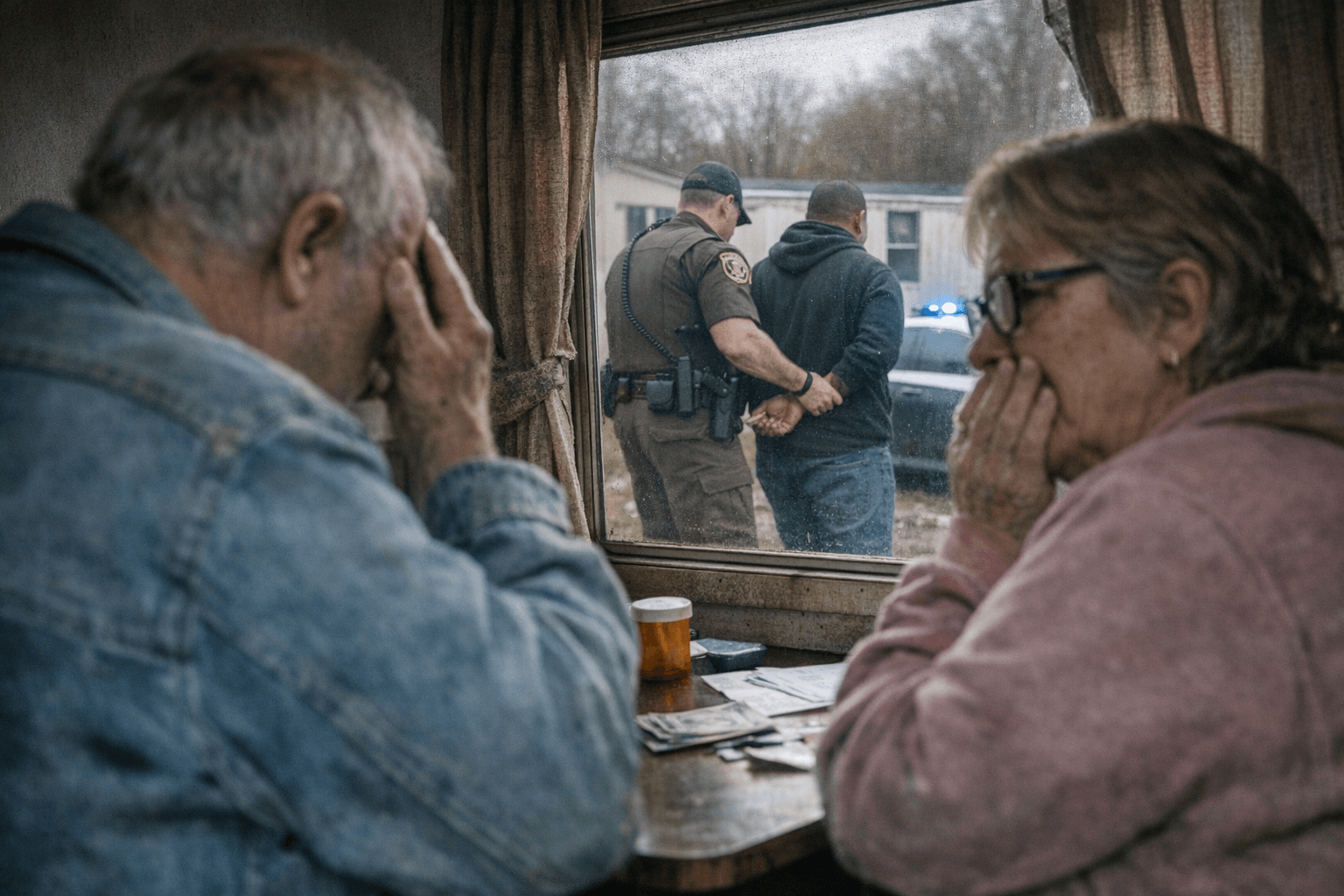
Rep. Melissa Oremus pushed H.4763, the HALO Act, through the House Judiciary Committee 15-4; it would bar approaching on-duty first responders within 25 feet after a verbal warning.

Rep. Melissa Oremus, the bill’s lead sponsor, won a 15-4 committee vote to send the Helping Alleviate Lawful Obstruction Act (H.4763) to the South Carolina House floor after the House Judiciary Committee action on Feb. 25, 2026. Six committee members did not vote; all four dissenting votes were cast by Democrats. The measure would create a 25-foot buffer that takes effect only after an on-duty first responder issues a verbal warning to “step back” or “stay back.”
Under the state House legislative summary for H.4763, the proposal would define key terms such as “first responder,” “emergency medical care provider,” and “harass,” and make it unlawful for anyone who has been given the warning to approach, impede, cause harm to, or harass a responder within that 25-foot perimeter. The summary ties H.4763 to misdemeanor-level penalties of up to $250 in fines and up to 30 days in jail for violators; multiple news accounts described the offense as arrestable by police if a person re-enters the 25-foot zone after a warning. The bill text does not expressly prohibit videotaping, but the measure requires anyone who films or observes to remain at least 25 feet away after the warning.
Supporters framed H.4763 as safety legislation for on-scene personnel. Oremus said she “doesn’t want first responders to ‘fear for their life where they’re trying to save another.’” Attorney General Alan Wilson published a statement urging passage: “Every South Carolinian has the right to peacefully assemble and express their views. But, as we’ve seen across the country, protestors are becoming increasingly violent and preventing law enforcement from doing their jobs. We cannot allow that to happen in our state.” Wilson added, “If you choose to engage in unlawful conduct by harassing a law enforcement officer or first responder, you will go to jail,” and called H.4763 a deterrent: “Let’s keep our communities, streets, and heroes safe by passing H.4763.”
Law enforcement voices pressed the committee for the buffer. JJ Jones of the South Carolina Law Enforcement Officers Association told WLTX, “This HALO bill isn’t a want or need, it’s a must.” Committee testimony included an anecdote attributed to “Jones” about a patrol near Pelion roughly 20 years ago in which a man with a camcorder approached a traffic stop, “taping me” and putting the camera “in my face,” which Jones said made the encounter volatile.
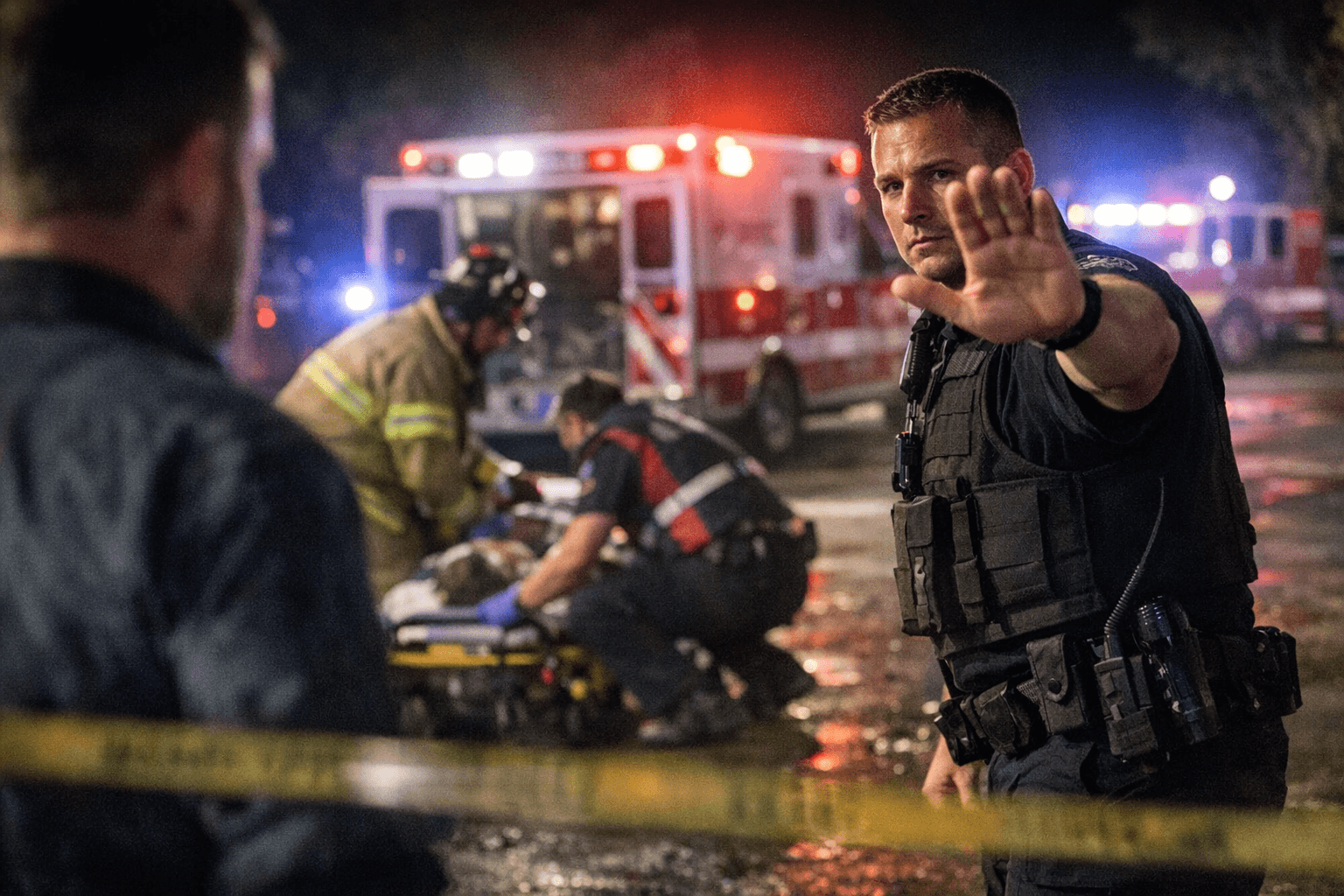
Civil liberties and legal experts warned of constitutional friction. Courtney Thomas of the ACLU of South Carolina said, “When police can kill so often, the only recourse for the public is to witness and watch and record. This law, while it does not outlaw, would make it harder.” University of South Carolina law professor Seth Stoughton acknowledged responder difficulties but questioned the policy’s premise: “Is it fair? No, it’s not. But our government is not structured to protect police from annoyance and harassment. It’s designed to protect the citizenry from government overreach.”
Procedurally, the committee removed an earlier subcommittee amendment that would have exempted federal agencies such as immigration enforcement and also rejected a proposed hospital-worker buffer of up to 50 feet. With H.4763 now on the House floor, the full chamber must schedule a vote; lawmakers and litigants are likely to focus on the 25-foot videotaping question and potential First Amendment challenges that similar laws in other states have faced.
Know something we missed? Have a correction or additional information?
Submit a Tip