House lawmakers signal bipartisan support for Taiwan amid arms review
More than 30 House members greeted Taiwan’s legislature chief as Washington weighed a $14 billion arms package, exposing the gap between symbolism and policy.
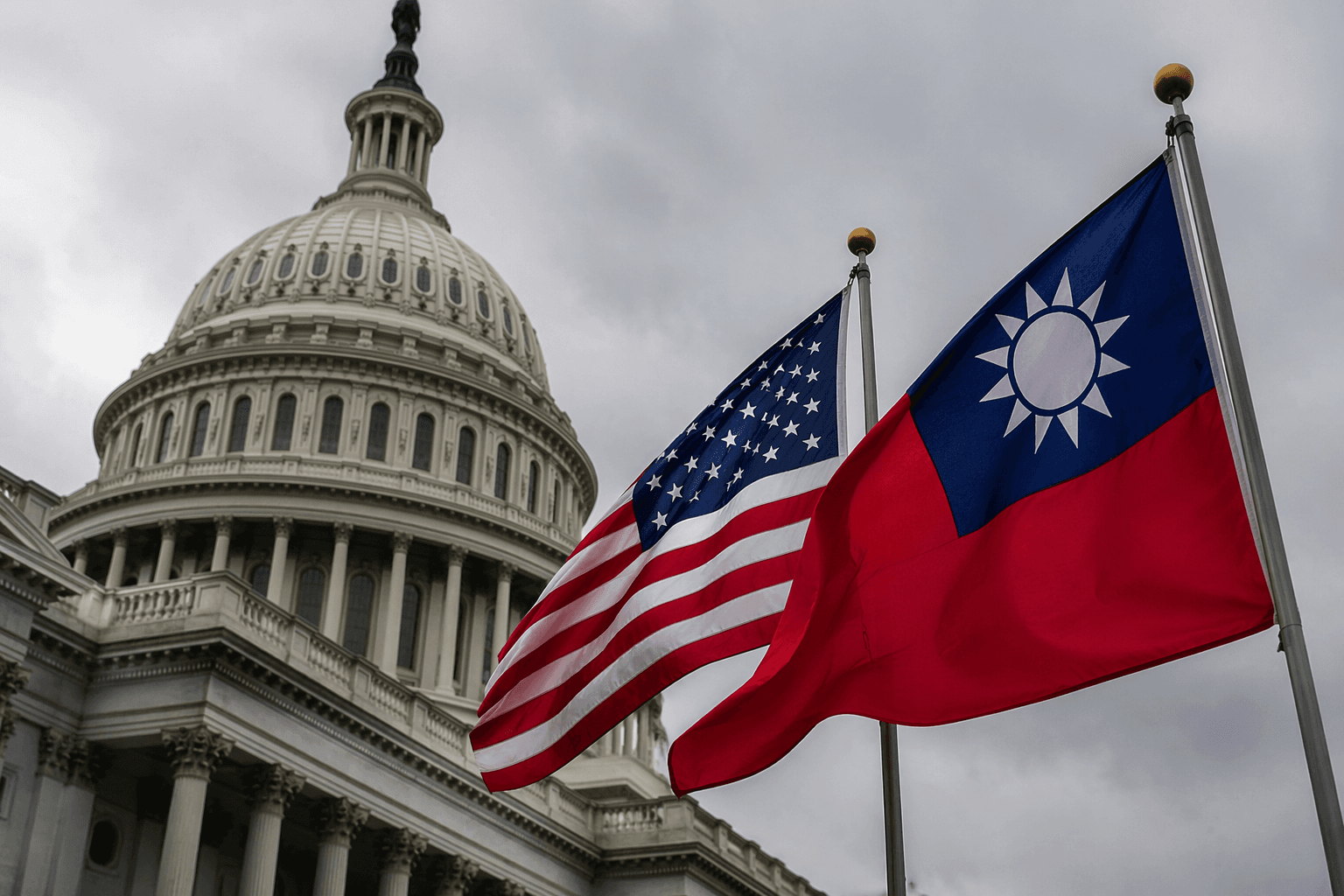
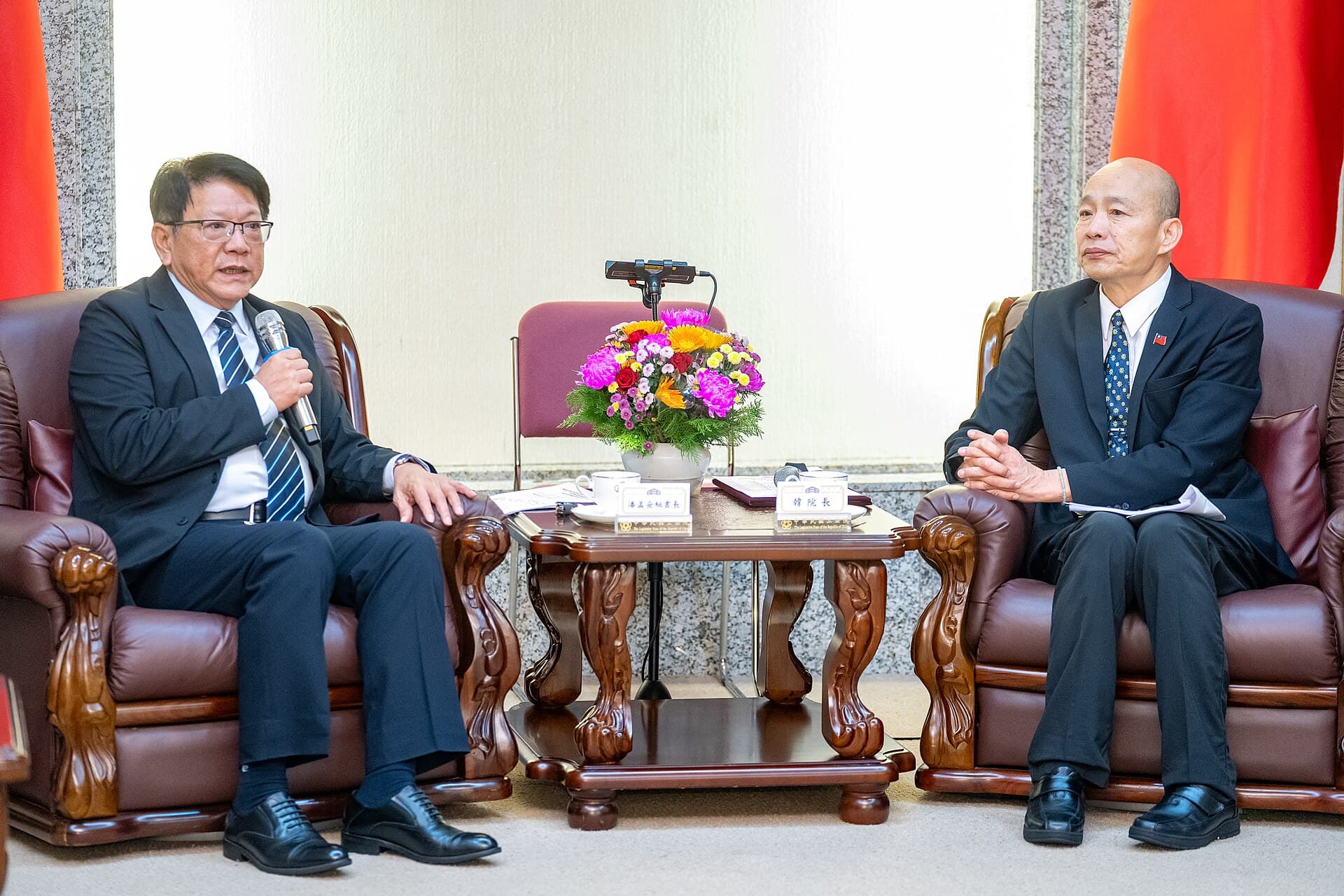
More than 30 House members from both parties welcomed Han Kuo-yu to Capitol Hill and used the reception to signal firm bipartisan backing for Taiwan while the Trump administration reviewed a $14 billion arms-sales package for the island. Speaker Emerita Nancy Pelosi, Texas Republican Michael McCaul and California Democrat Ted Lieu were among the lawmakers at the event, a visible display of support at a moment when congressional symbolism and executive action were moving on separate tracks.
Han had arrived in the United States on June 21 at the head of a cross-party delegation for a six-day visit that included Phoenix and Washington, D.C. Taiwan’s Ministry of Foreign Affairs said the trip was designed to bring the delegation into contact with U.S. lawmakers and other political figures, underscoring how closely Taipei continues to tie legislative outreach to its broader security and diplomatic strategy.
The visit carried added weight because U.S. policy toward Taiwan still rests on the Taiwan Relations Act, the three U.S.-China Joint Communiqués and the Six Assurances. The State Department describes U.S.-Taiwan ties as a robust unofficial relationship, while Congress has reaffirmed support for the Six Assurances in law multiple times since 2017. That framework leaves room for deep engagement without formal recognition, and Tuesday’s reception showed how far bipartisan Washington is willing to go short of crossing that line.
Beijing is likely to read the optics as more than ceremonial. China claims Taiwan as part of its territory and has said it would take the island by force if necessary, which is why even a reception on Capitol Hill can draw attention in the Taiwan Strait. The message from lawmakers was not just reassurance to Taipei, but continuity: Congress remains willing to make public gestures of support even as the White House decides whether to move forward on the arms package.

Han’s trip also connected security policy with industrial policy in Phoenix, where Taiwan Semiconductor Manufacturing Co. is building out one of the most important chipmaking sites in the United States. TSMC says its Arizona project has grown from an initial $12 billion commitment to $165 billion and now includes six wafer fabs, two advanced packaging facilities and an R&D center. The company says its first Arizona fab began high-volume production in the fourth quarter of 2024 and its second fab is targeted for volume production in the second half of 2027.
That makes Taiwan’s case in Washington less about a single weapon sale than about a wider contest over deterrence, trade and technology. The congressional reception reassured Taiwanese officials, kept the arms review in view and highlighted how advanced-chip supply chains have become part of the strategic bargain between Taipei and Washington.
This article was produced by Prism’s automated news system from verified source data, official records, and press releases, then run through automated quality and moderation checks before publishing. The system is built and supervised by the people who set the standards it runs under. Read our full AI policy.
Did this article answer your question?

