House rejects bipartisan bid to curb Trump’s Iran war powers
Two Republicans broke with Donald Trump to back a war-powers curb as the House rejected it 212-219, exposing GOP unease over a fight Congress did not authorize.
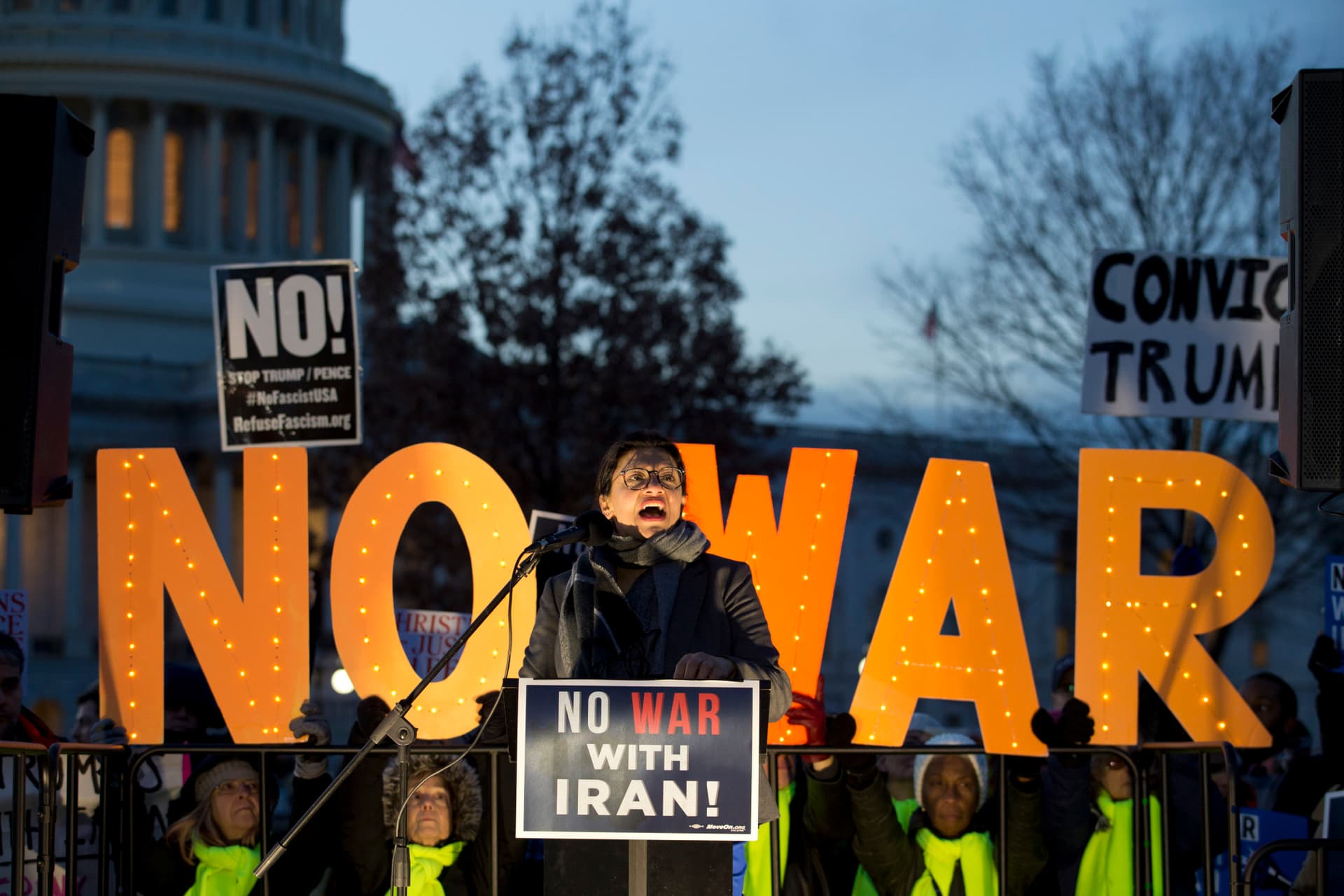
Congress’s power to check war has rarely looked weaker than it did Thursday, when the House rejected a bipartisan attempt to force Donald Trump to seek authorization for military operations in Iran. The 212-219 vote underscored how difficult it is to reclaim war powers once a conflict is underway, even as a small but notable group of Republicans broke ranks over the president’s freedom of action.
Reps. Thomas Massie of Kentucky and Warren Davidson of Ohio were the only Republicans to support the resolution, joining most Democrats in backing it. Four Democrats, Jared Golden of Maine, Henry Cuellar of Texas, Greg Landsman of Ohio and Juan Vargas of California, voted no. The measure was sponsored by Massie and Rep. Ro Khanna of California, and would have required Trump to end U.S. military operations in Iran unless Congress formally authorized them.
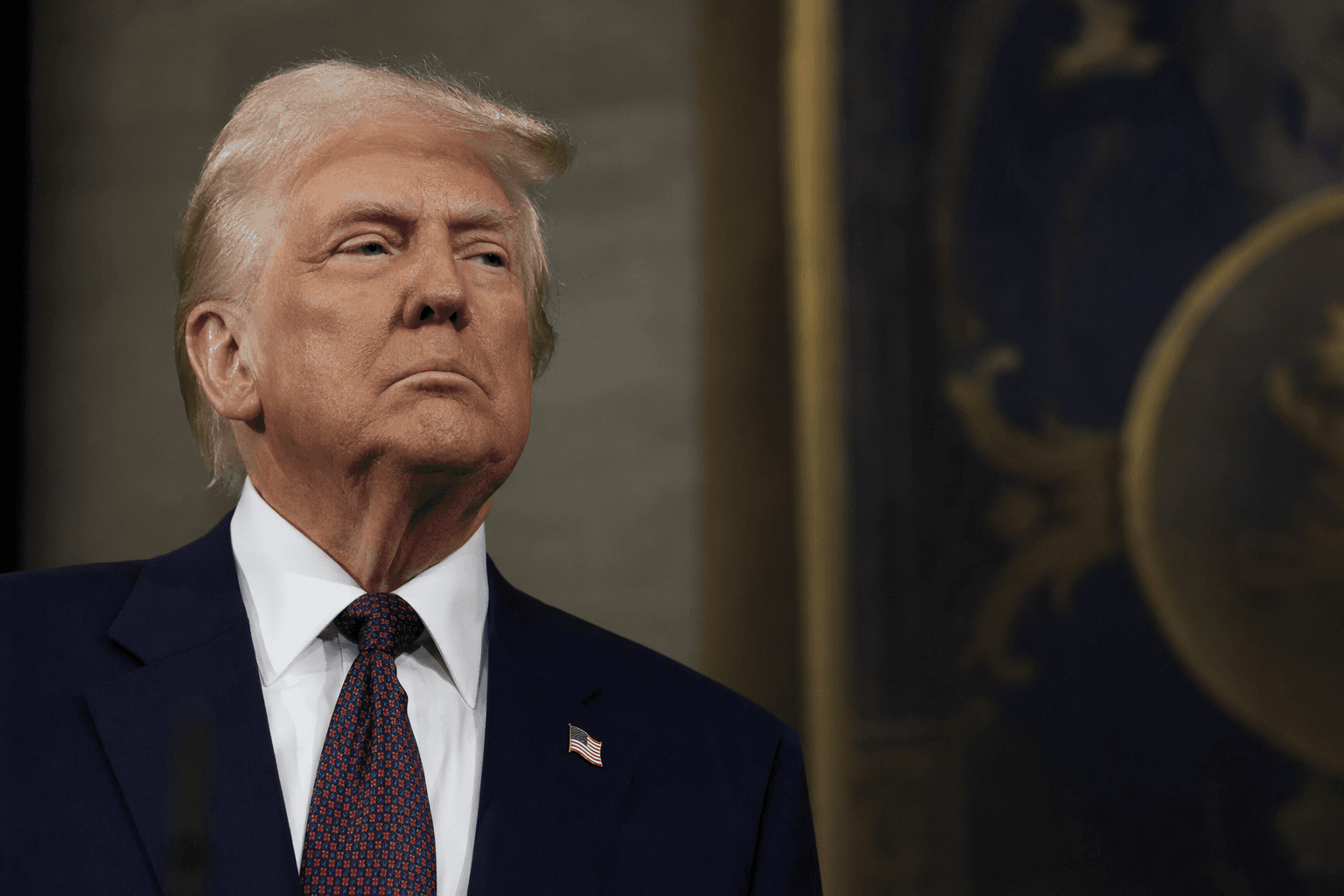
The vote was mostly symbolic, but it was the first major House test of whether lawmakers were willing to confront a conflict Trump launched without first asking for Congress’s approval. A day earlier, the Senate blocked a similar push in a 47-53 vote, after Democrats failed to clear the procedural hurdle for a resolution led by Sen. Tim Kaine of Virginia. Three Republicans joined nearly all Democrats in that chamber, another sign that resistance to the White House’s war footing is not confined to one side of the aisle.
The clash turned on the War Powers Resolution of 1973, the post-Vietnam law that requires presidents to notify Congress within 48 hours after introducing forces into hostilities. It also requires withdrawal within 60 days unless Congress declares war or authorizes force, with a possible 30-day extension for safe withdrawal. CBS News reported that the Iran war began on Feb. 28 and that Trump informed congressional leaders in a March 2 letter, placing the administration on a clock that lawmakers were now trying to enforce.
Administration officials have said they briefed members of Congress more than 30 times in bipartisan sessions. Still, House Minority Leader Hakeem Jeffries said there was no evidence of an imminent threat to the United States. Speaker Mike Johnson dismissed the resolution as a “dangerous idea,” saying it would empower enemies and kneecap U.S. forces.
Republican support for the president remained strong, but the two defections in the House, plus three Republican votes in the Senate, suggested a limit to how much of the party is willing to give Trump in an open-ended Middle East conflict. Congress has never successfully overridden a presidential veto of a war powers resolution, and that history makes the current rebellion more politically revealing than practically binding.
This article was produced by Prism’s automated news system from verified source data, official records, and press releases, then run through automated quality and moderation checks before publishing. The system is built and supervised by the people who set the standards it runs under. Read our full AI policy.
Did this article answer your question?

