House Republicans scrap vote to curb Trump’s Iran war powers
House Republicans pulled a war-powers vote after concluding they lacked the votes to block it, exposing how hard Congress is finding it to check Trump on Iran.
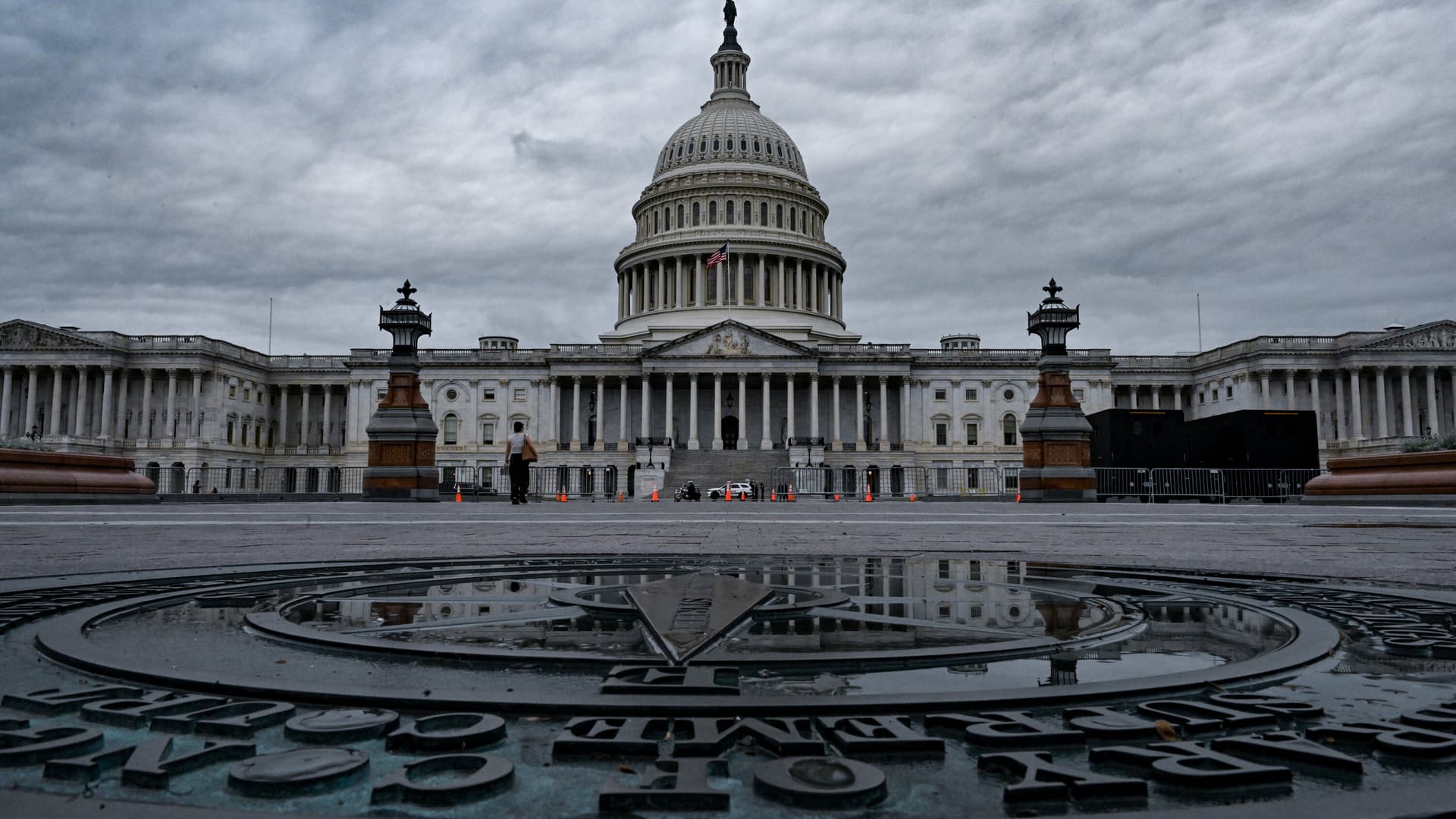
House GOP leaders scrapped a scheduled vote on President Donald Trump’s Iran war powers after deciding they did not have the votes to defeat it, a retreat that underscored how little appetite there was in the Republican caucus to force a direct confrontation over war-making authority.
The move on Thursday, May 21, 2026, would have set up Congress’s first successful rebuke of Trump’s Iran campaign after several earlier attempts failed. Instead, Republican leadership pulled the vote before the House could register whether enough members were willing to limit the president’s unilateral military action in Iran.

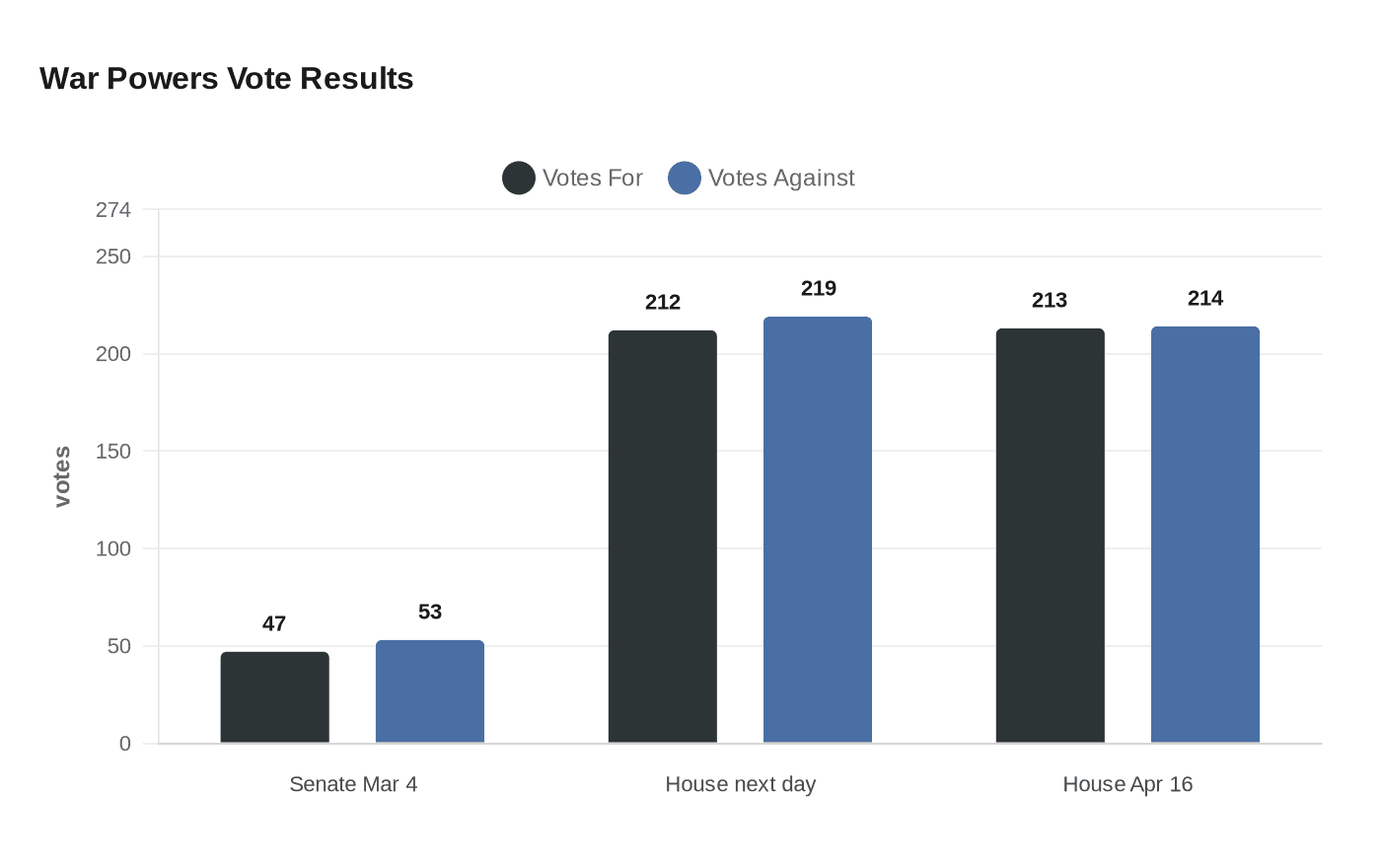
The fight has already moved through both chambers. The Senate defeated a war powers resolution on March 4 by a 47-53 vote, and the House rejected a similar measure the next day, 212-219. Another House vote failed on April 16, 213-214. The resolutions were built around the War Powers Resolution, which requires Congress to authorize hostilities or compel withdrawal from unauthorized combat. In the Senate, S.J.Res. 172 was introduced on April 13, and in the House, H.J.Res. 156 followed on April 16, tied to the use of U.S. forces in Operation Epic Fury in Iran.
The latest clash grew sharper after the U.S. and Israel struck Iran on February 28, 2026. On May 1, Trump told Congress the hostilities had “terminated,” a claim that Democrats said was designed to blunt the War Powers clock and avoid a forced withdrawal fight. By May 19, however, the Senate had already shown the issue was still alive: Republicans Bill Cassidy, Susan Collins, Lisa Murkowski, and Rand Paul voted to advance the Iran resolution, while John Fetterman was the lone Democratic opponent and John Cornyn, Thom Tillis, and Tommy Tuberville did not vote.
Democrats argued that Congress could not keep surrendering its constitutional authority to the White House. Gregory Meeks said lawmakers had to act because the country could be pulled into a war with no exit ramp. Tim Kaine, Adam Schiff, and Tammy Baldwin led the push to force votes, while Chuck Schumer backed the broader effort to put lawmakers on record.
Republican leaders Mike Johnson and Brian Mast defended Trump’s authority and criticized Democrats for selective concern over war powers, pointing to earlier strikes on Iranian-backed Houthis in Yemen under President Joe Biden. If lawmakers refuse to force a floor vote, the remaining tools are more limited: hearings, oversight demands, funding restrictions, and future war-powers resolutions. But Thursday’s retreat showed that when the president is from their own party, many Republicans still stop short of using Congress’s strongest check on war.
This article was produced by Prism’s automated news system from verified source data, official records, and press releases, then run through automated quality and moderation checks before publishing. The system is built and supervised by the people who set the standards it runs under. Read our full AI policy.
Did this article answer your question?

