House Republicans unlock $70 billion for ICE and Border Patrol
House Republicans cleared a budget maneuver that could send about $70 billion to ICE and Border Patrol, sidestepping the 60-vote Senate barrier.

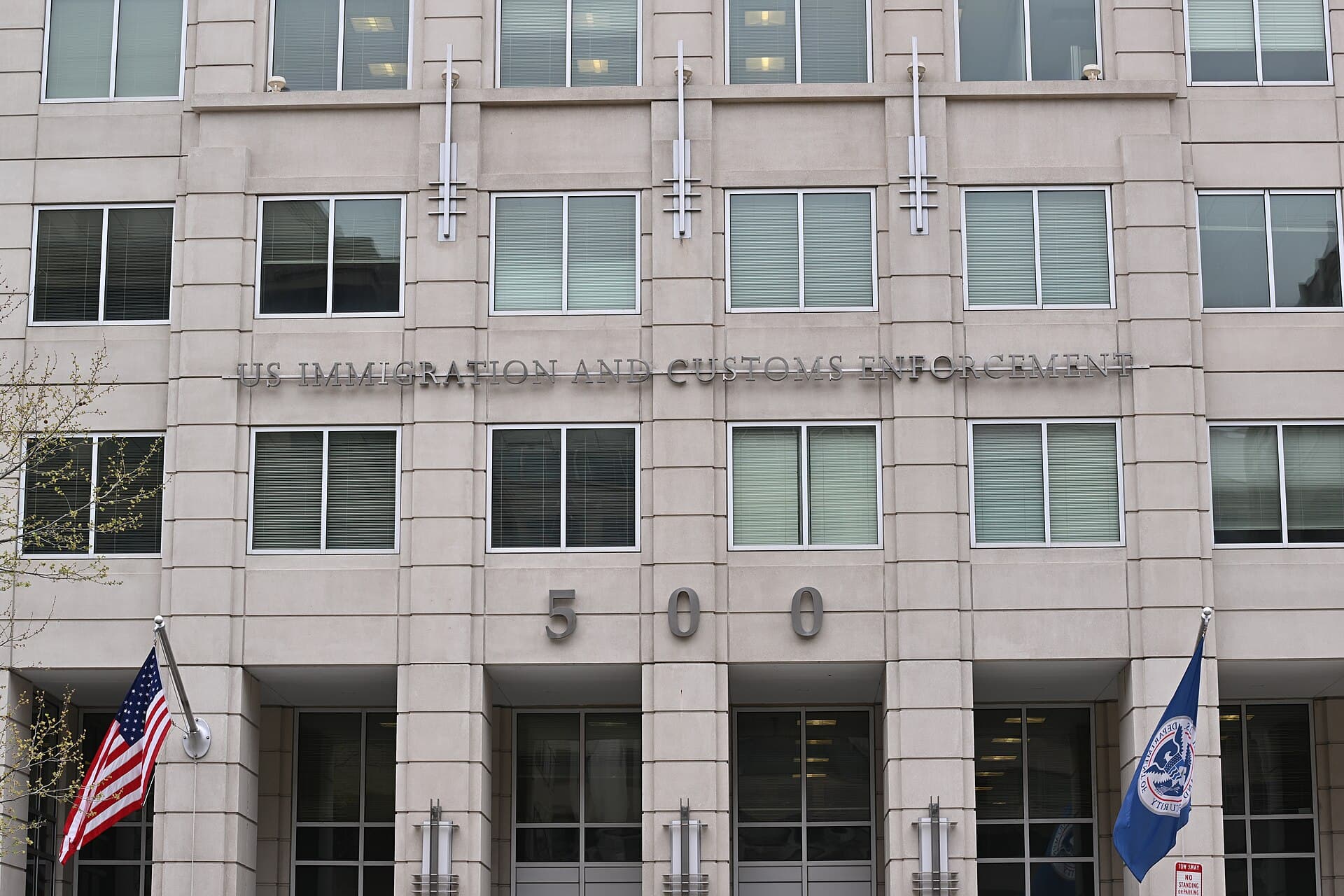
House Republicans used a narrow party-line vote to open the door to one of the largest immigration-enforcement funding pushes of the Trump era, advancing a budget resolution that could route about $70 billion to Immigration and Customs Enforcement and Border Patrol without Democratic votes.
The House passed the resolution 215-211 on April 29, 2026, after Speaker Mike Johnson kept the roll call open for more than two hours while he worked to lock down hesitant Republicans. The measure directs the committees overseeing ICE and U.S. Customs and Border Protection to write legislation under budget reconciliation, a procedure that lets the final bill pass the Senate with a simple majority instead of the 60 votes normally needed to beat a filibuster.
That procedural shift matters far beyond this fight. It gives Republicans a way to finance immigration enforcement even if Democrats refuse to cooperate, and it could let them move tens of billions of dollars into detention, removals and border operations before the end of President Donald Trump’s term. POLITICO described the package as up to $75 billion as it moved through Congress, underscoring how much money is at stake in the final drafting.
The House vote followed a Senate approval of the underlying budget blueprint on April 22 and 23, after a marathon vote-a-rama and over Democratic objections. The Senate action was the first step in the two-chamber strategy to use reconciliation to fund immigration agencies inside the Department of Homeland Security without needing bipartisan support.
The money fight is playing out against a shutdown that began on February 14, 2026, after a stopgap funding bill expired. The lapse has already disrupted operations across DHS, including the Transportation Security Administration, FEMA and the federal cybersecurity agency. POLITICO reported that more than 1,110 TSA officers had quit since the shutdown began, a sign of how deeply the funding standoff has strained the federal homeland-security system.
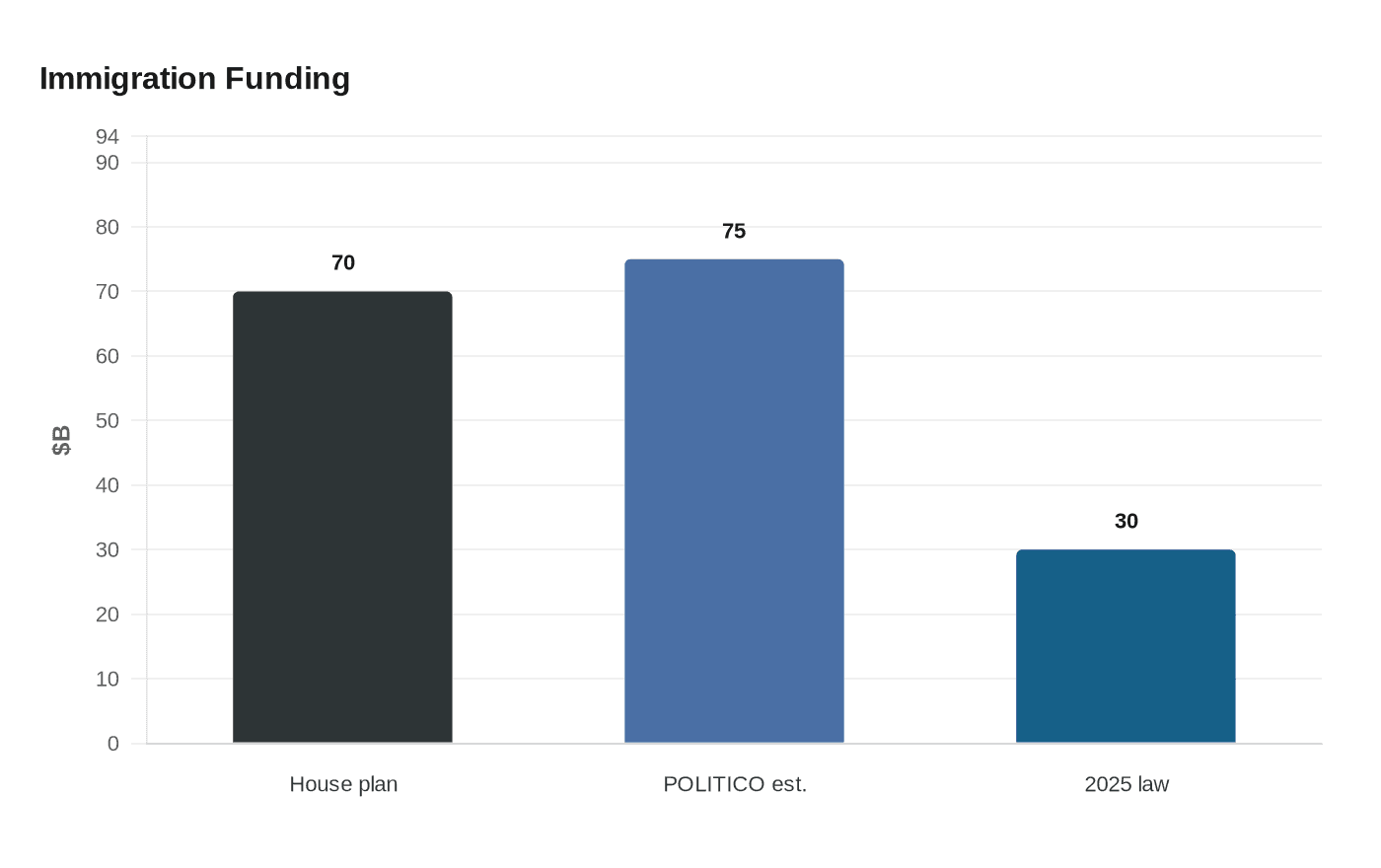
Republicans are also moving under a political deadline set by Trump, who wants the agencies funded by June. The current push builds on a July 4, 2025 reconciliation law that already provided nearly $30 billion for ICE and authorized a major hiring surge, including 10,000 Enforcement and Removal Operations officers and 1,000 Homeland Security Investigations agents. That earlier law showed how central immigration enforcement has become to the administration’s budget priorities.
Democrats have tried to slow that momentum. Members of the House Homeland Security Committee urged colleagues to reject an earlier DHS funding package, arguing for ICE reforms and guardrails. Their resistance reflects the same split that has frozen the broader DHS spending bill and left Congress locked in a fight over how far federal immigration enforcement should expand.
Sources:
Know something we missed? Have a correction or additional information?
Submit a Tip