House Republicans vote to lift 20-year Boundary Waters mining ban
House approves resolution to overturn 2023 225,504-acre mineral withdrawal, setting up Senate showdown and potential reopening of Superior National Forest lands.
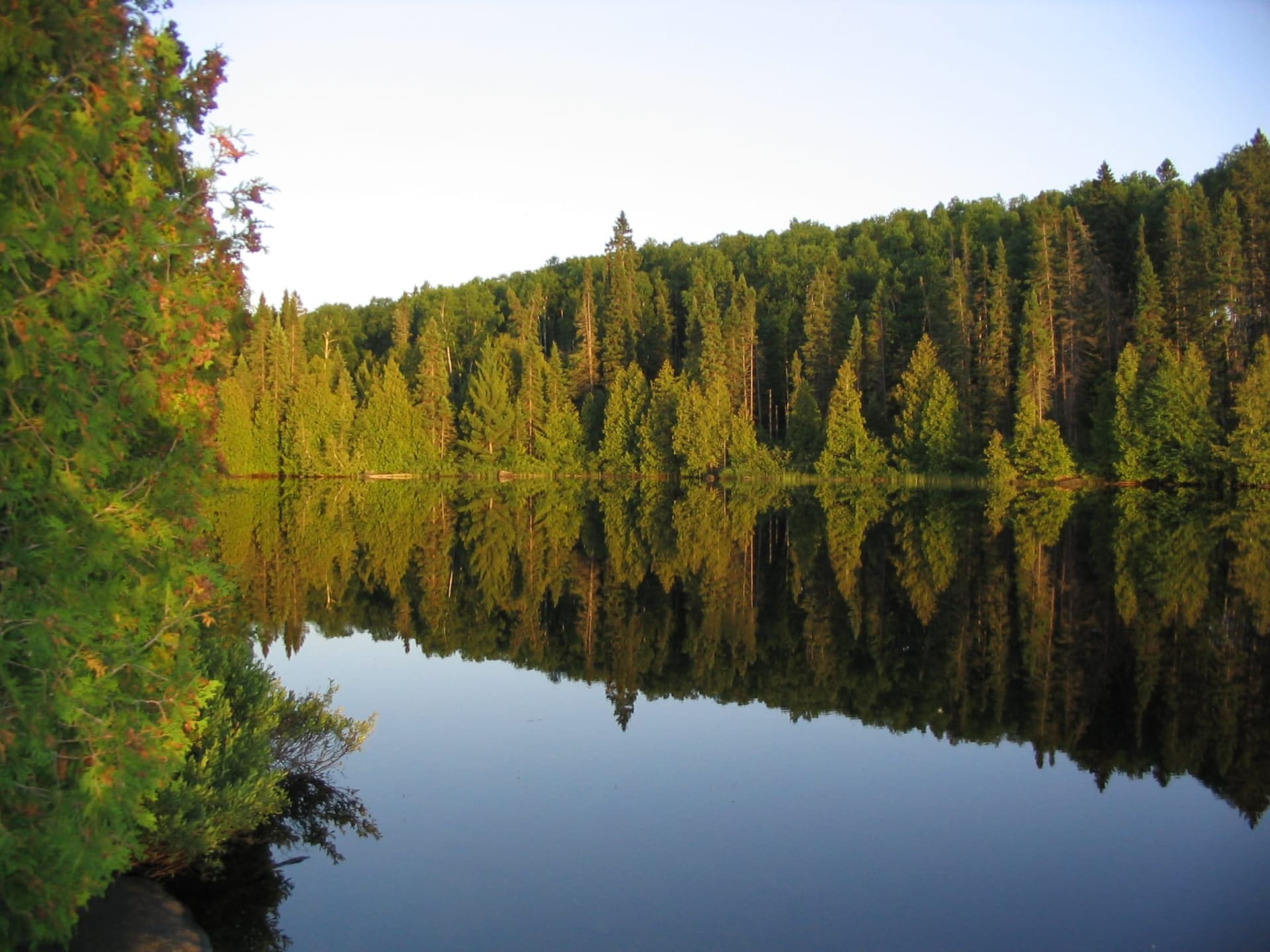
House Republicans on Wednesday approved a resolution under the Congressional Review Act to nullify the Biden administration’s 2023 withdrawal of 225,504 acres of the Superior National Forest from mineral and geothermal leasing for 20 years, a protection intended to shield the Boundary Waters Canoe Area Wilderness and the headwaters of the Rainy River watershed from sulfide-ore mining. The measure passed 214–208, with one Republican, Rep. Don Bacon of Nebraska, voting against it and one Democrat, Rep. Jared Golden of Maine, voting in favor.
Representative Pete Stauber, Republican of Minnesota’s 8th District, led the effort on the House floor, calling the moratorium “a dangerous, purely political decision” and asserting, “It’s better in our backyard than in China or Russia or other adversarial nations.” Supporters argued the move would help secure domestic supplies of critical minerals such as cobalt, copper and nickel that are central to electric vehicles, battery storage and defense supply chains, and would reduce U.S. reliance on foreign sources.
Opponents framed the vote as a direct threat to a premier wilderness and to regional economies built on outdoor recreation and tourism. Representative Betty McCollum of Minnesota said, “Some places are just too precious to mine.” Conservation groups warned that allowing exploration and potential sulfide-ore mining near the BWCA could increase the risk of water contamination that would undermine fisheries, recreation and the region’s ecological integrity.
The resolution invokes the Congressional Review Act, a mechanism Congress can use to overturn certain federal agency actions. Democrats argued the CRA was being applied out of time, noting that CRA disapproval usually must be taken within 60 legislative days of a rule’s implementation and that the 2023 withdrawal occurred years ago. Republicans countered that the Biden administration failed to provide formal notification of the withdrawal to Congress, arguing that procedural defects justify the late CRA use.

If the measure clears the Senate and is signed by President Donald Trump, the 20-year moratorium would be rescinded and the withdrawn acreage would again be subject to mineral and geothermal leasing decisions. The resolution faces uncertain prospects in the Senate, where procedural hurdles and the Senate Parliamentarian have in the past constrained efforts to attach changes to spending or policy bills. A prior attempt to remove the moratorium via a rider in a budget bill was excised by the Senate Parliamentarian last year.
Beyond the immediate legislative fight, the vote illuminates broader policy tensions between accelerating domestic mineral production and protecting public lands and water resources. Proponents in Congress and within the Trump administration have signaled support for expanding access to critical minerals as part of industrial policy aimed at countering China and Russia in strategic supply chains. Administration allies, including Brook Rollins and Gov. Doug Burgum, have been reported as supportive of mining near the BWCA, heightening expectations that the White House would sign any successful resolution.
Reopening the withdrawn lands would likely accelerate exploration activity and could attract private investment in prospecting and permitting, but it would also trigger legal and regulatory battles at the federal and state level and intensify public opposition. For communities and businesses that rely on the Boundary Waters’ outdoor economy, the stakes are immediate: the policy choice balances potential near-term mineral development and supply chain goals against the long-term value of intact wilderness and clean water. The resolution now moves to the Senate, where its fate will determine whether the 2023 protection endures or is dismantled.
This article was produced by Prism’s automated news system from verified source data, official records, and press releases, then run through automated quality and moderation checks before publishing. The system is built and supervised by the people who set the standards it runs under. Read our full AI policy.
Did this article answer your question?

