Houston's $70M street homelessness plan raises $31M, falls short
Houston raised roughly $31 million in year one of Mayor John Whitmire’s $70 million plan to end street homelessness, leaving about a $39 million gap that city officials say they are still closing.
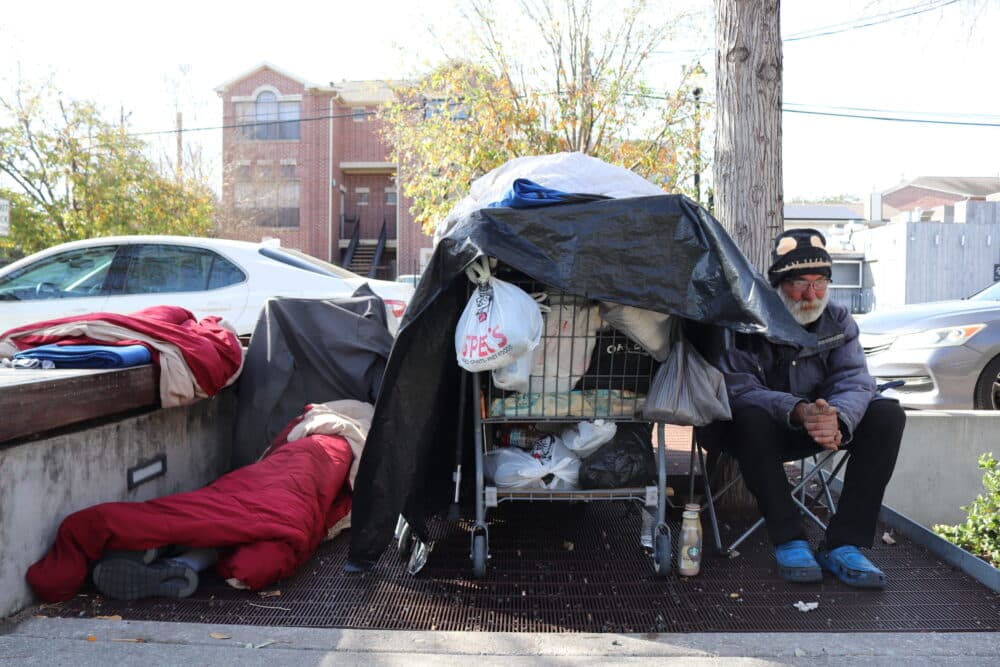
Houston Public Media reported on Feb. 26, 2026 that the city raised roughly $31 million in the first year of Mayor John Whitmire’s Initiative to End Street Homelessness, short of the $70 million one- to two-year pilot Whitmire announced in late November aimed at ending street homelessness by 2026. The funding shortfall of about $39 million prompted renewed attention to contributions from Harris County, private philanthropies, METRO, and the city’s own allocations.
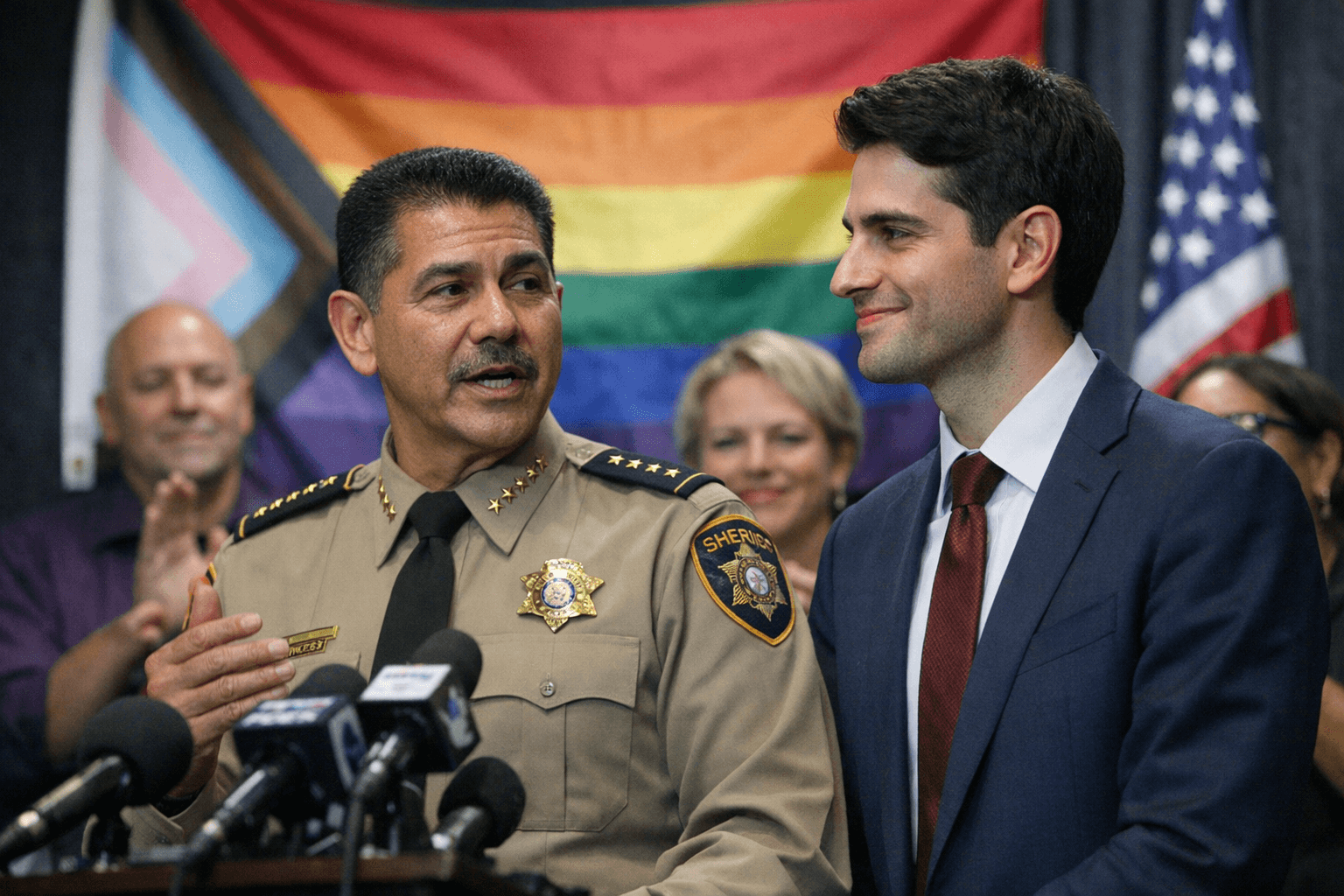
Mike Nichols, director of the Houston Housing and Community Development Department, presented a proposed budget to City Council and told Houston Public Media, “We do not have a shortfall in our $70 million plan to end street homelessness,” adding, “We are on plan with the direction of raising money. We have great conversations with philanthropy that are moving forward, excellent conversations with the county and corporations that are moving forward.” Nichols’ department is proposing an annual budget for the Initiative Fund of around $31 million with fiscal year 2026 set to start in July.
Figures reported across city documents and local outlets differ. ABC13 reported Nichols announced $21.8 million secured in February with $48.2 million in discussion, while HOU-TX materials list the City of Houston as up to $23 million allocated and say $33 million will be distributed over 24 months across priority areas. Houston Public Media noted the original $70 million plan anticipated up to $16 million from Harris County and $20 million from private philanthropy, while HOU-TX lists Harris County up to $14.6 million identified pending Commissioners Court approval and philanthropy $60 million requested over three years through 2027.
Program design in city filings emphasizes rapid rehousing and a mix of services. ABC13 reported more than half of the $70 million would go toward rapid rehousing, and HOU-TX’s REI materials list proposed activities as Housing; Shelter and Behavioral Health Beds; Outreach; Diversion; Mental Health; and Administration with a REI release date of Jan. 31, 2025 and a program start date of May 2025. Coalition for the Homeless CEO Kelly Young told reporters a fully funded plan would reach “equilibrium,” ensuring people who fall into homelessness are rehoused within 30 days.

The plan’s most contested element was a proposed centralized intake “navigation center” at 419 Emancipation Avenue in East Downtown, an item FOX26 reported was removed from a City Council agenda after neighborhood pushback. Mayor Whitmire defended the project at community events, saying, “I can almost guarantee you that you will like the outcome,” and promising improvements to street conditions. Councilmember-At-Large Twila Carter described the site as “not a shelter - it’s a navigation center.” Neighbors at a Settegast Park Community Center meeting and a press conference organized by Wayne Dolcefino, attended by Stanford Lofts resident Steve Brown, protested, saying “I want to see this plan. You're not giving us enough time to see this plan,” and “It's going to be a dangerous situation for the homeless and the community.”
National context underlines funding constraints. Governing magazine notes Texas spends about $806 per unhoused person on major homelessness programs versus $10,786 in California, and that Harris County historically contributes roughly $2.6 million a year. City Council approved creation of an “Ending Street Homelessness Fund” in February, but with differences in what each partner has “allocated,” “identified,” or merely “requested,” Houston Public Media framed the nearly $40 million gap as signaling potential delays to Whitmire’s timeline and the housing department’s 30-day rehousing goal.
Know something we missed? Have a correction or additional information?
Submit a Tip