Houthi threat raises risk to Red Sea shipping as U.S. carrier heads in
Houthi rebels signaled readiness to resume Red Sea attacks as a U.S. aircraft carrier moves toward the region, raising supply chain and energy cost risks.
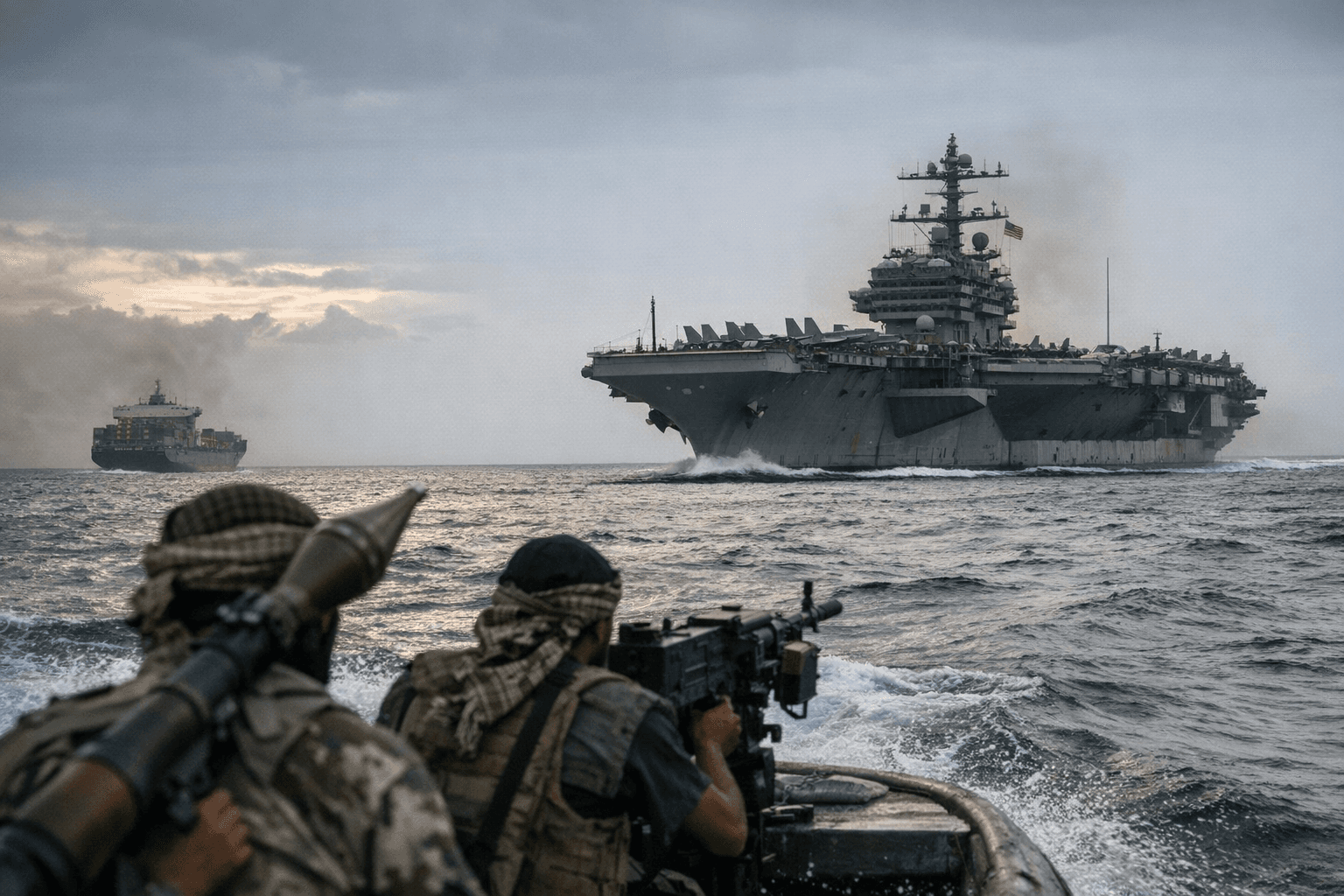
Yemen’s Houthi rebels, backed by Iran, signaled on Monday that they are prepared to resume attacks on commercial shipping in the Red Sea as a U.S. aircraft carrier moved toward the region, escalating a standoff that threatens one of the world’s busiest maritime corridors. Iraq-based militia groups aligned with Iran also issued warnings, heightening concerns of a wider regional response that could disrupt trade and energy flows.
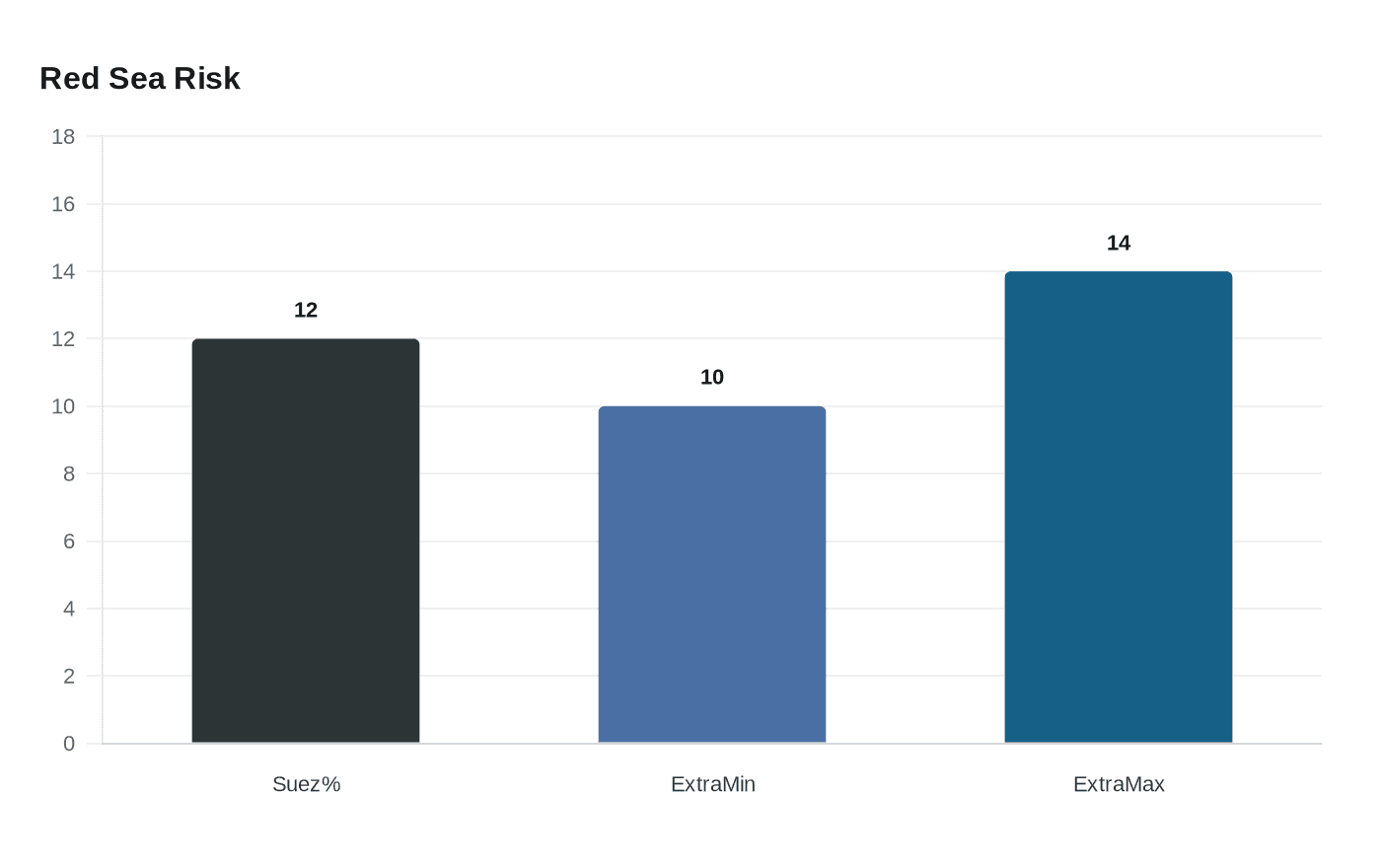
The Red Sea and the adjacent Suez Canal corridor account for a meaningful share of global commerce. Roughly 12 percent of world trade transits the Suez route, and the Bab al-Mandeb strait at the southern end of the Red Sea is a narrow choke point through which dozens of oil and container ships pass daily. Disruptions in this corridor force longer voyages around the Cape of Good Hope, adding as much as 10 to 14 days to trips and materially increasing fuel and operating costs for carriers.
Market participants are watching closely for early signs of impact. Historically, security threats in the Red Sea have pushed up tanker and freight insurance premiums, prompted rerouting that tightens spot vessel availability, and produced short-lived spikes in oil and bunker fuel prices. For manufacturers and retailers still managing tight inventories since the pandemic era, additional transit time translates directly into delayed deliveries and higher logistics bills, which can filter through to consumer prices.
The U.S. carrier movement signals Washington’s intent to protect freedom of navigation and deter attacks on commercial shipping. Naval deployments, however, carry escalation risks. Iran-backed groups could interpret increased U.S. presence as a rationale for stepped-up operations, raising the probability of miscalculation. For regional governments and international shipping firms, the calculus now is whether to accept the increased military footprint in exchange for safer sea lanes or to seek alternative protective measures, such as convoy systems or expanded private security.
Insurance markets and shipping companies face immediate decisions. Higher war-risk premiums for transits through the Red Sea can make rerouting via the southern African route more economically attractive for some shippers, despite the longer transit. That choice has broader economic implications: longer voyages increase fleet demand, tighten container availability, and can push spot freight rates back up after recent instability in global logistics pricing.
Policy implications extend beyond near-term convoy operations. Persistent threats to chokepoints accelerate longer-term shifts in how firms organize supply chains. Diversification of sourcing, increased inventory buffers, and investment in nearshoring are likely to gain further traction among manufacturers seeking to reduce exposure to maritime disruptions. Governments will face pressure to bolster maritime security cooperation, share intelligence more widely, and reassess rules of engagement to reduce the risk of escalation.
For investors and policymakers, the immediate metrics to watch are insurance premium movements, vessel rerouting statistics, and any confirmed attacks or interdictions that would force a sustained closure of key passages. If hostilities intensify, the economic effects will widen quickly, hitting energy markets and global trade flows and underscoring a longer-term trend: geopolitical risk around strategic waterways is rising, and the costs of securing commerce are likely to be a persistent feature of the global economy.
This article was produced by Prism’s automated news system from verified source data, official records, and press releases, then run through automated quality and moderation checks before publishing. The system is built and supervised by the people who set the standards it runs under. Read our full AI policy.
Did this article answer your question?


