How 10th Edition detachments reshape Warhammer 40k list building
Learn how 10th edition detachments work, what key Space Marine and Necron detachments do, and how to use the Wargamer detachment guide for smarter list construction.
1. How detachments work under 10th edition
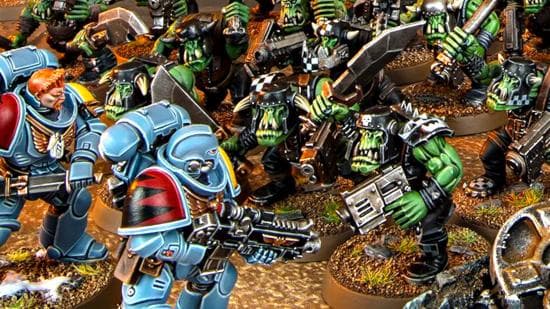
Detachments in 10th edition are army‑wide themed rule sets that change how you build and play a force. Each detachment applies a special rule across your army, grants access to a tailored selection of stratagems, and offers enhancement options that affect units and synergies. Think of detachments as the scaffolding for an army archetype: they steer unit choices, strategy, and the tactical tools you’ll carry into a game.
2. Why the Wargamer detachment guide matters right now
The guide (updated January 14, 2026) compiles currently legal detachments and ties them to their sources—codexes or faction packs—so you can quickly spot which rules apply to your models. That centralised reference saves time when updating lists for 10th edition or the 500 Worlds releases and helps you avoid misbuilding your army around an unavailable or outdated detachment. Use it as a checklist when you’re planning imports, upgrades, or new hobby purchases.
3. Space Marines: Reclamation Force detachment
The Reclamation Force is listed by Wargamer as one of the Space Marines detachments players should know. The guide identifies the Reclamation Force’s source (codex or faction pack) and summarizes the kinds of units the detachment prefers, helping you match chassis and character choices to the detachment’s theme. Practically, that means you can choose detachments early in list construction to lock in synergies and stratagems that reinforce your intended playstyle.
4. Space Marines: Orbital Assault Force detachment
The Orbital Assault Force is another Space Marine detachment flagged in the guide and likewise tied to its source entry. The Wargamer summary highlights what the detachment favors in unit roles—so you can weigh whether your drop-capable models and transport elements will get the most from that detachment’s enhancements. Selecting the Orbital Assault Force upfront clarifies which mission profiles and opening turns you should plan for.
5. Necrons: Cursed Legion detachment
Wargamer lists the Cursed Legion as a named Necron detachment, including its originating book or pack. The guide describes the Cursed Legion’s thematic bent and the types of units it tends to reward, which helps you orient a Necron list toward that flavor. For tournament or narrative play, this makes it easier to justify model choices and to capitalise on the detachment’s army‑wide effects.
6. Necrons: Cryptek Conclave detachment
The Cryptek Conclave appears in the guide as a distinct Necron detachment with a cited source and notes on preferred unit roles. Knowing a detachment’s preferred unit mix helps you decide whether to concentrate on characters, tech units, or a broader mix of troopers when assembling a force. This clarity reduces list churn and points you to the stratagems and upgrades that will actually be useful in play.
7. Necrons: Pantheon of Woe detachment
The Pantheon of Woe is included among the Necron detachments with source attribution and playstyle notes. The Wargamer entry tells you which archetypes the detachment supports, so you can align detachments with mission selection and your opponent matchups. That alignment is especially valuable during the 500 Worlds shift when small changes in rules can change what units are optimal.
8. How to use detachment information when building lists
1. Choose your detachment first: lock in the army‑wide rule and stratagem pool before you start picking units.
2. Match unit roles to the detachment: consult the guide’s notes on what each detachment favors and prioritise those unit types in your slots.
3. Check source legality: always verify the detachment’s codex or faction pack match your local tournament or matched play ruleset.
4. Iterate with test games: run small-scale lists to confirm the detachment’s strengths and to find missing pieces before committing hobby time.
- Tip: If you’re working from a legacy list, use the guide to identify any detachments that were changed or deprecated under 10th edition so you don’t end up with dead rules.
- Tip: Keep a one‑page detachment cheat sheet with the detachment’s special rule, three most useful stratagems, and the unit roles it favors for quick reference at events.
9. Community relevance and practical value
Detachment choices now shape not just flavour but the mechanical backbone of your army under 10th edition and the 500 Worlds updates. Sharing your detachment picks in local groups or online makes matchmaking smoother—opponents know what to expect and you get feedback on builds tuned to those rules. The Wargamer guide becomes a hub for that conversation, codifying what’s legal and what each detachment encourages you to field.
10. Final checklist before you play or buy
1. Confirm detachment source and legality for your event.
2. Align your unit purchases and upgrades with the detachment’s favoured roles.
3. Prepare a 30–40 minute list test to validate synergies.
4. Update your notes after each game to refine stratagem and unit priorities.
Wrap-up: detachments now guide list identity, not just flavour. Use the Wargamer detachment guide to pick the right scaffolding for your army, orient your unit choices around the detachment’s favoured roles, and test deliberately so your next game feels like a coherent strategy rather than a lucky draw.
Sources:
Know something we missed? Have a correction or additional information?
Submit a Tip