How 2026 Triple-A Split-Season Changes Calendar, Playoffs and Timing
MiLB and MLB on March 3, 2026 announced a 2026 Triple-A split-season linked to a reworked postseason calendar and the Triple-A National Championship Game, a change that reshapes call-up timing and playoff timing.
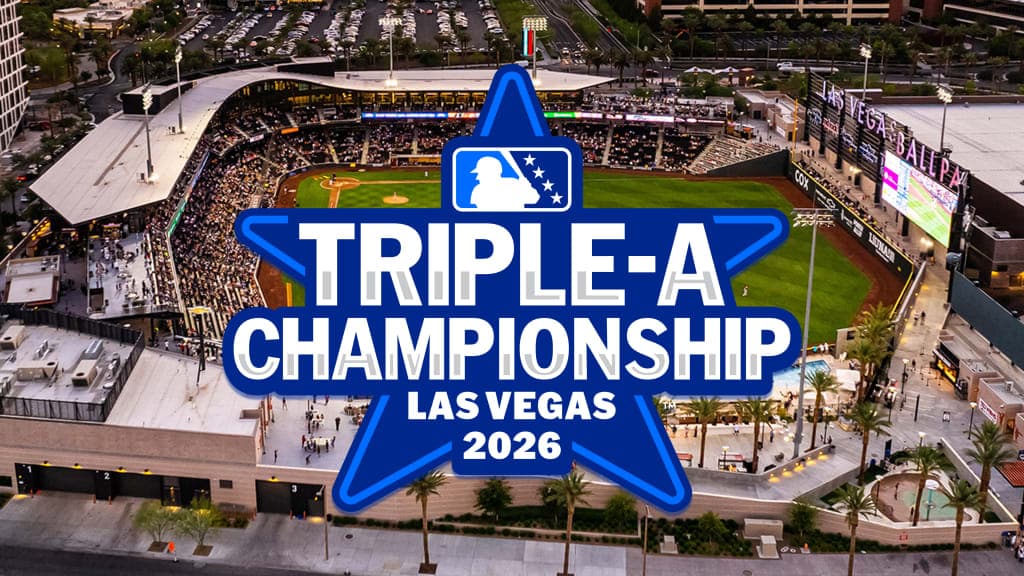
MiLB and Major League Baseball on March 3, 2026 outlined a new Triple-A calendar that adopts a split-season format and ties the postseason structure directly to the Triple-A National Championship Game. The announcement from the leagues makes the split season the organizing principle for 2026 Triple-A scheduling, moving the post‑regular-season timing and the national title game into a single, league-wide framework.
The leagues’ March 3 release does not merely rename postseason rounds; it establishes when those rounds will occur relative to MLB roster decisions. By anchoring the Triple-A postseason to the National Championship Game timetable, MiLB and MLB have created clearer windows for player movement between Triple-A and big-league rosters in 2026. Industry observers will watch how clubs use first-half and second-half roster construction to protect depth for the playoff pushes created by a split-season.
The change arrives amid a content and engagement environment that favors clear, named hooks. Reader analysis shows 97.3% of readers only view without sharing and just 2.7% of pieces get shared, so the leagues’ March 3 announcement gives Triple-A reporters and teams a tangible share hook: distinct half-season champions, a fixed national championship date, and new timing for promotion decisions. The contrast between tight framing and generic notices was demonstrated in recent coverage examples - Braves sign former All-Star Martín Pérez to a minor-league deal drew strong engagement, while a nondescript Jonathan Loáisiga signing did not - underscoring how named players and concrete consequences matter as the schedule shifts.

Business implications are immediate for clubs and affiliates. A split-season with a defined postseason calendar concentrates ticketed playoff opportunities into predictable windows for ballparks that host Division and league finals, and it likely affects travel planning and short-term staffing for front-office operations. Broadcasters and sponsors now have a fixed target in the National Championship Game that follows the split-season, which simplifies rights discussions and creates a single marquee Triple-A date on the calendar.
As of March 4, 2026, teams and player agents are parsing the March 3 framework to adjust spring training targets and depth charts, knowing that the split-season creates two separate competitive pushes and a definitive national title culminating in the Triple-A National Championship Game. The leagues’ decision reshapes not just when Triple-A champions are crowned, but how MLB clubs manage call-ups, promotions, and postseason-ready depth across the entire 2026 campaign.
Know something we missed? Have a correction or additional information?
Submit a Tip