How clubs and nonprofits organize successful community ping-pong fundraisers
Plan around three goals, fundraising, community connection, and newcomer introduction, then pick a format (charity tournament, corporate pong day, school rally) and lock down ops, promotion, and follow-up.

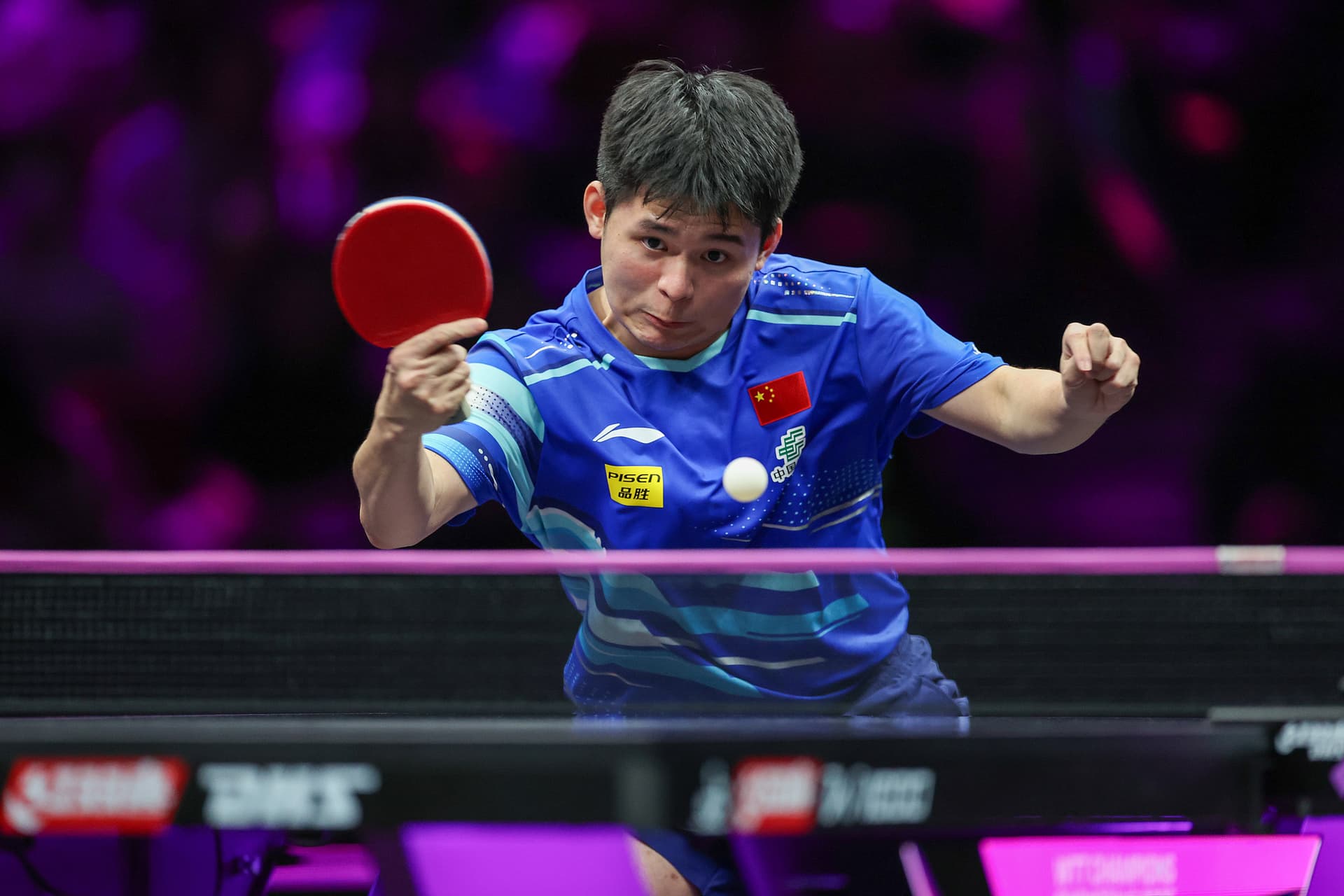
The WTT Singapore Smash runs through 1 March 2026 with a USD 1.55 million prize pool, use that level of clarity as inspiration: big events win attention because their targets, schedules and draw ceremonies are explicit. Community ping‑pong fundraisers don’t need seven‑figure pools to succeed; they need clear goals, a format that fits your audience (charity tournaments, corporate pong days, school rallies), and tight operational plans so schedule changes, qualifiers and upsets turn into shareable moments.
1. Define your goals and metrics
Start by naming exactly what success looks like: how much money you want to raise, how many newcomers you want to introduce to ping‑pong, and how many people you want in attendance. These three outcomes, raise money, connect people, introduce newcomers, are the core benefits clubs and nonprofits already realize, so set one financial target, one participation target, and one engagement target (for example, number of first‑time players). Tie each target to an actionable KPI (registration count, donor tally, newcomer coaching slots filled) so you can evaluate results immediately after the event.
2. Pick the right format for your community
Choose between a charity tournament, a corporate pong day, or a school rally based on your audience and fundraising model. Charity tournaments are match‑driven (single/double elimination or round robin) and raise funds via entry fees, sponsorships and concessions; they work best when you can recruit competitive players. Corporate pong days prioritize team building, sell table packages to companies, include short exhibition matches, and package sponsorships with employee engagement perks. School rallies focus on participation and onboarding, emphasize beginner clinics and short, inclusive formats that introduce newcomers to the sport. Match your format to your goals so the event’s structure supports both fundraising and community building.
3. Build a realistic budget and sponsorship pitch
Map out fixed costs (tables, nets, venue rental, referees/scorekeepers), variable costs (badges, prizes, food), and expected revenue streams (entry fees, sponsorships, donations). Use sponsorship tiers with clear deliverables, logo on signage, mention in the draw ceremony, a company team slot, for predictable income and easier sell‑ins. If you want a headline sponsor, treat them like a prize pool backer: give them on‑court visibility and a prominent role in pre-event announcements and the draw ceremony to maximize return on investment.
4. Secure venue, equipment and a robust schedule
Reserve a venue with enough footprint for your planned number of tables plus warm‑up space; for school rallies the gym may suffice, for larger charity tournaments consider a community centre or recreation hall. Account for match length in your schedule and build buffer blocks for schedule changes, late arrivals, extended matches from upsets, or qualifiers that run long. Plan a draw ceremony and publish match times early: visible draws and scheduled start times create excitement and reduce day‑of confusion.
5. Set competition format and registration rules
Choose an entry model (per‑player fee, per‑team fee, or free with suggested donation) and a competition format that matches skill levels, open bracket, handicap/social bracket, and a newcomers’ clinic bracket are three proven options. Use qualifiers or consolation brackets so players get multiple matches even after an early loss; qualifiers also create narrative moments (unexpected upsets) that are shareable. Publish rules, scoring formats and tie‑break procedures with registration so players arrive prepared and referees can keep the tournament moving.
6. Recruit, train and assign volunteers
Assign volunteers to concrete roles: check‑in, scorekeeping, court marshals, registration, sponsorship liaison, food/beverage, first aid and livestream operator. Train scorekeepers on the scoring format and give court marshals authority to enforce warm‑up and match time limits, this reduces schedule creep. For a smooth draw ceremony, appoint an emcee who knows the community names and can announce brackets clearly; an organized draw ceremony is a simple way to create the kind of narrative spectacle larger events use to drive attention.
7. Promote with local hooks and shareable moments
Use one or two local hooks, your club president, a school principal, or a well‑known coach, to personalize promotions and make outreach easier for sponsors. Build shareable moments into the day: an opening draw ceremony, a “corporate celebrity” exhibition, a longest‑rally contest, and scheduled upset highlights. Remember this media reality: internal analytics show 100% of your audience tends to consume without sharing, so make the content intrinsically sharable, short video clips of dramatic upsets, a clear prize reveal, or a photo with a sponsor check, to increase the chance someone posts it outside your circle.
8. Pricing, prizes and donor mechanics
Set entry fees that reflect your region and audience; combine lower player fees with higher fundraising targets through sponsorships and on‑site donations. Offer practical prizes and experiences rather than expensive trophies, gift cards from sponsors, coaching vouchers, or a sponsored exhibition match with a local coach drive more community participation. Make donation mechanics frictionless: QR codes at every table, online donation pages linked to registration confirmations, and visible fundraising thermometers during the draw ceremony to spur last‑minute gifts.
9. Run the day like a mini professional event
Treat the tournament like a televised event in micro‑form, have a visible schedule board, announce match starts, call out qualifiers and upsets during the draw ceremony, and keep a running scoreboard for spectators. If possible, livestream key matches or the finals on social platforms; even short clips of an upset or the final point are what turn passive viewers into sharers. Staff an operations lead whose sole job is managing schedule changes and reallocating courts when matches overrun; proactive schedule control reduces chaos and keeps the fundraising momentum.
10. Close cleanly and report back
Count and deposit funds immediately, thank sponsors publicly at the end of the day, and publish a short results and impact report within 48–72 hours. Share exact outcomes tied to the goals you set, how much was raised, how many newcomers attended, and how many people participated, so sponsors and participants see the return and are motivated to repeat. As of 25 February 2026 you can use the momentum of seasonal calendars, spring school terms and corporate fiscal cycles, to schedule repeat events and grow your fundraising pipeline.
Final point Clubs and nonprofits win when a ping‑pong event balances clear financial targets, an accessible format (charity tournament, corporate pong day, school rally), and professional operations, turning schedule clarity, draw ceremonies, and highlightable upsets into shareable stories that fundraise and grow the sport. Treat each fundraiser as both a community builder and a storytelling opportunity, and you’ll convert one‑time players into ongoing supporters.
Know something we missed? Have a correction or additional information?
Submit a Tip