How Dollar General Scheduling Rules Affect Workers' Pay, Benefits and Safety
Workers cite scheduling, management and understaffing problems that chip away at hours, benefits and safety — with frontline reports of no heat and broken doors at stores.
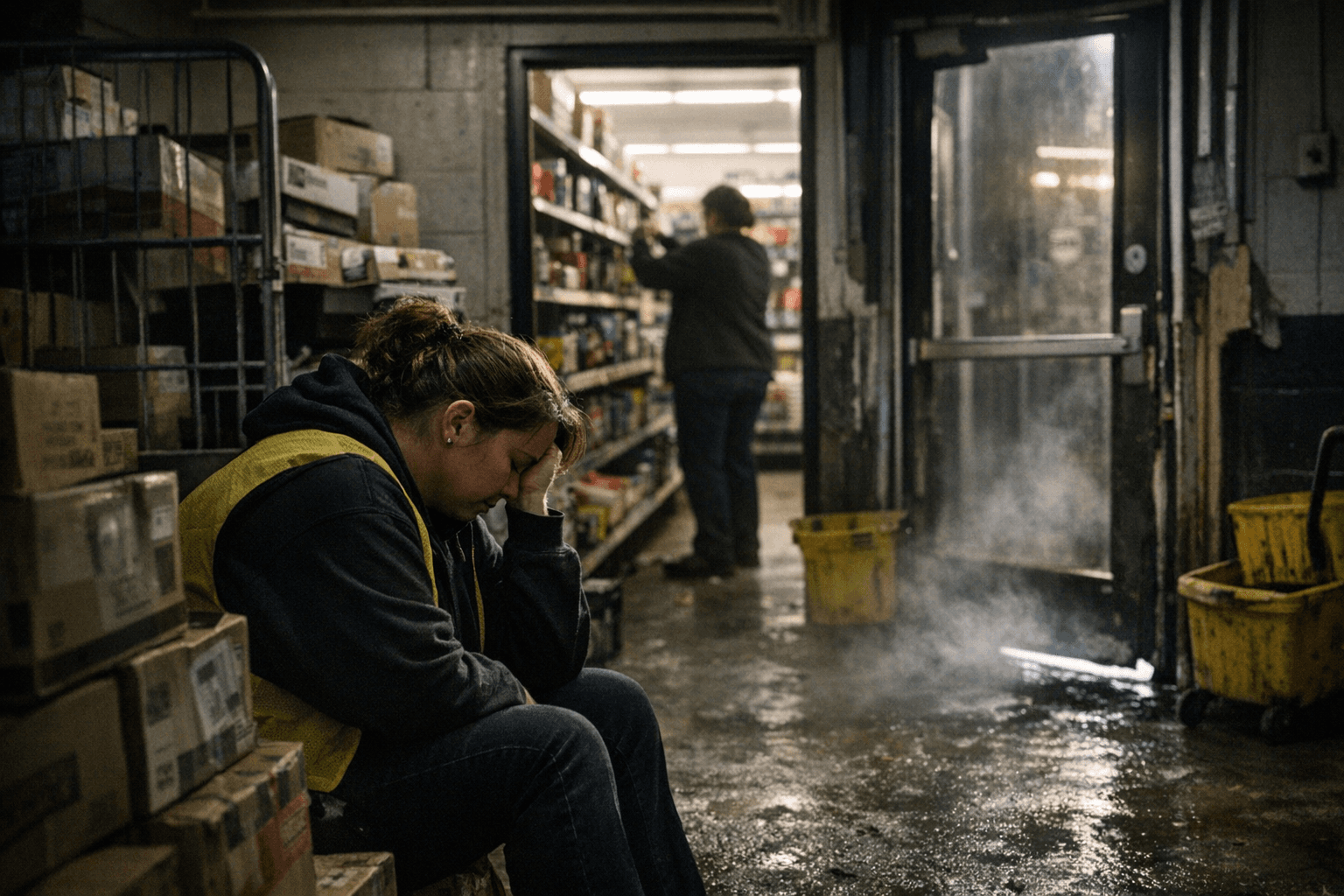
Dollar General workers point to scheduling, management and understaffing problems as the primary drivers behind cuts to hourly pay, shrinking benefit access and worsening safety on the sales floor. Public reporting, common industry scheduling practices and frontline testimony together show how routine roster decisions translate into day-to-day losses for employees.
Schedules set by store managers and regional staffing systems often produce variable hours and short shifts, which workers say reduce weekly pay even when hourly wages stay the same. Frontline testimony collected in public reporting describes employees being assigned fewer scheduled hours, split shifts and last-minute reductions, leaving cashiers and stock clerks with smaller paychecks and more irregular income from week to week.
Those same scheduling patterns affect benefit eligibility. Employers commonly tie health and paid-leave benefits to hours worked; when scheduling practices push workers into part-time bands, workers lose access to employer-provided benefits. The synthesis of reporting and industry practice shows a direct line from reduced posted hours to fewer workers meeting whatever threshold an employer sets for benefits, with the result that long-tenured store employees can be shifted out of benefit-eligible schedules without a change in title.
Understaffing amplifies safety concerns workers report on the ground. Frontline accounts include sensory details such as no heat and broken doors inside stores, conditions that are more likely when staff levels are insufficient to handle maintenance, deliveries and customer incidents. Fewer employees on a shift means fewer pairs of eyes during overnight or low-traffic hours, increasing the risk of theft, slips or confrontations that managers cannot immediately staff to address.
Management practices also play a role. Workers cite scheduling decisions that prioritize coverage targets and shrink reduction over predictability for employees. That can force workers to choose between unpaid time off and being scheduled for unsafe or undesirable shifts, a dynamic reflected in multiple worker accounts and in broader industry reporting on retail scheduling norms.
For store employees navigating these pressures, the practical takeaway from this synthesis is straightforward: track scheduled versus paid hours, keep records of shift changes and maintenance issues such as heating failures or broken doors, and raise documented concerns through store-level HR channels or district management. The patterns identified in public reporting and frontline testimony indicate the problem is systemic rather than isolated to one manager or site.
As of February 26, 2026, Dollar General remains a company where scheduling and staffing choices materially affect workers’ wallets and safety; addressing those impacts will require clearer scheduling rules, stronger staffing floor standards and transparent benefit thresholds so that frontline employees know how roster decisions map to pay, benefits and workplace conditions.
Know something we missed? Have a correction or additional information?
Submit a Tip