How FCS Championship Site Moves Have Shaped Travel, Recruiting and Visibility
FCS championship site moves have reshaped travel costs, recruiting reach and TV exposure, affecting fans, athletic budgets and how programs sell postseason success.
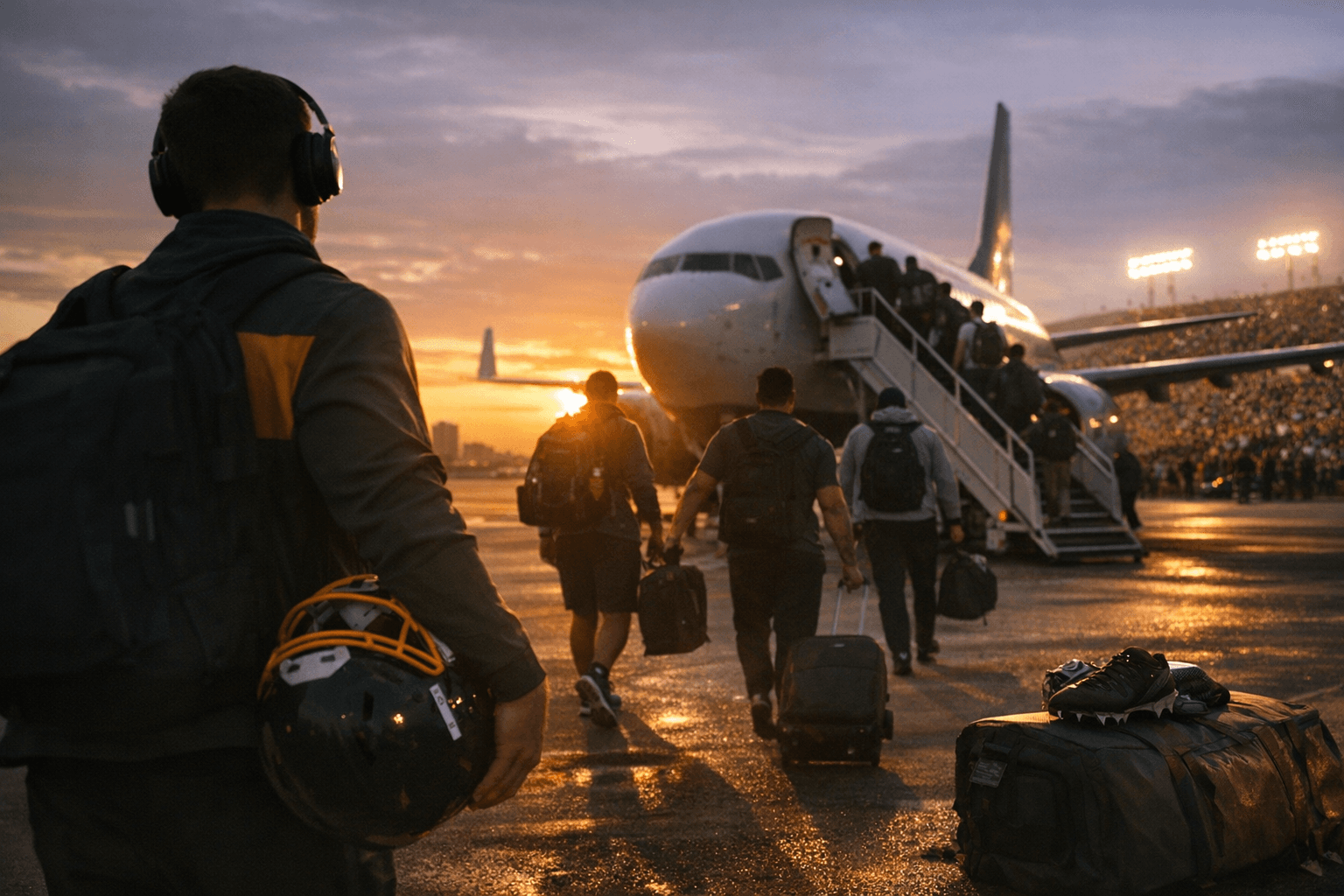
Changes in where the FCS title game is played have ripple effects far beyond a single final. Moving the championship from early-era sites through long stays in Chattanooga and Frisco, Texas, to more recent shifts alters travel bills for fanbases, the recruiting pitch for coaches, and the broadcast window that shapes national visibility on networks like ESPN and ESPN+.
At the top, the Division I Football Championship Committee and the NCAA weigh stadium capacity and local economics when choosing a host. Capacity dictates ticket allotments and revenue potential; smaller venues cap gate receipts and reduce the number of traveling alumni who can attend. Host cities supply hotel and tourism partnerships that lower per-night rates and coordinate practice-field access, and those operational details matter for programs flying cross-country. Time of year is another lever: January championship dates interact with academic calendars and the bowl/CFP window, creating conflicts for student-athletes and compressing travel logistics for programs scheduling winter finals or exams.
For programs that make repeated playoff runs, a stable site yields practical advantages. Consistency in destination simplifies travel planning, reduces charter costs over time and strengthens alumni mobilization. By contrast, a rotating site can swing attendance dramatically; moving the game closer to a particular region, like a Nashville location relative to Midwest and eastern fanbases, can boost turnout for certain conferences while penalizing others with longer road trips and higher lodging expenses.
Recruiting is increasingly part of the calculus. Coaches use championship-site proximity and expected turnout as selling points to recruits and families. A marquee venue in a larger market tends to produce a fuller atmosphere and stronger broadcast numbers, which helps spotlight players and programs on national telecasts. Conversely, frequent long-haul trips strip away some home-crowd energy and can make it harder for programs to showcase a packed, hostile environment to prospective recruits.
The business side is straightforward: the committee balances attendance, television reach and financial viability when awarding hosts. Cities that win bids gain short-term tourism dollars and longer-term alumni-engagement benefits for nearby schools. Programs forced into more distant travel face steeper budgets for charters, hotels and local logistics, which can strain athletic department finances and influence scheduling decisions in future seasons.
For fans and beat writers, the takeaway is practical: site announcements will continue to move recruiting narratives, travel budgets and the optics of postseason success. As the committee evaluates future hosts, coaches and administrators will treat venue geography as another strategic factor in building rosters, planning postseason travel and selling the championship experience to recruits and donors.
Know something we missed? Have a correction or additional information?
Submit a Tip