How non-alcoholic beer is reshaping craft brewing in 2026
Learn why non-alcoholic beer surged from 2021–2025 and get practical steps for brewers and taprooms to add NA as a meaningful category.
1. The current state of non-alcoholic beer
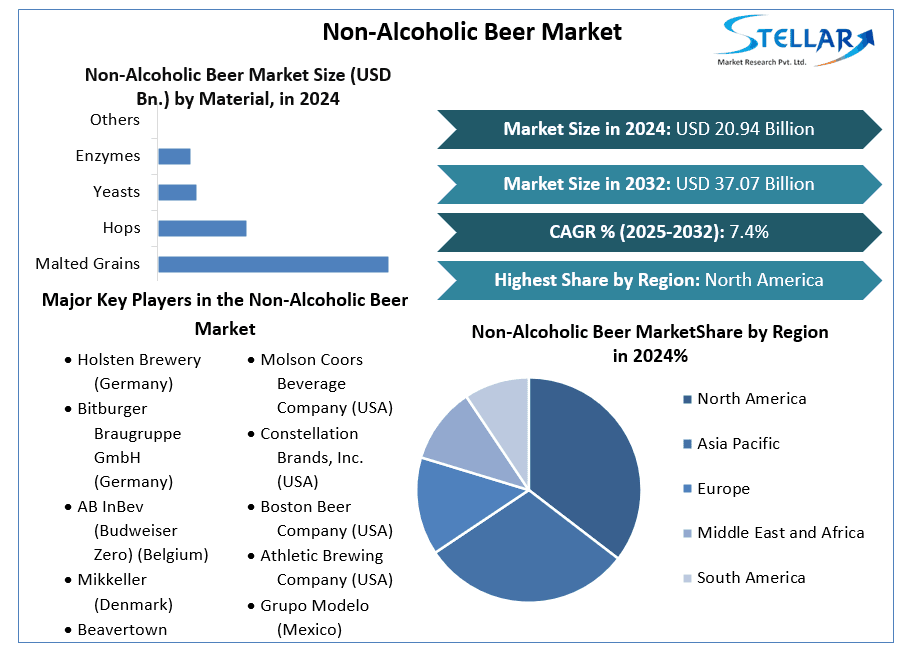
Non-alcoholic beer has been a rare bright spot while overall beer sales softened: between 2021 and 2025, NA beer volume rose about 111% and dollar sales climbed roughly 159%. By 2025 NA accounted for about 2.5% of total beer volume, up from roughly 1.1% in 2021, showing both faster consumer adoption and greater retail value per liter than the category had previously commanded.
2. Craft's outsized role in NA innovation
Craft brewers are driving much of the NA momentum: in 2025, craft accounted for roughly 31% of NA sales volume and 36% of NA dollar sales. That split shows craft operators are not only experimenting with NA styles and production techniques but also capturing premium pricing and consumer interest for distinctive, flavorful NA offerings.
3. Regional hotspots to watch
Growth isn’t uniform: the Mountain and East South Central census divisions showed the fastest craft NA growth in 2025. If you operate in or source ingredients from those regions, that growth signals both a local demand tailwind and opportunity for regional collaboration, festivals, and co-marketing with other breweries riding the same wave.
4. Brand proliferation and market dynamics
NIQ tracked hundreds of NA brands entering the market, a signal of strong entrepreneurial interest and new product development. That proliferation has outpaced overall sales growth, however, so market entry alone doesn’t guarantee traction, many entrants face steep competition and shelf/taproom crowding that can limit long-term success.
5. Practical takeaway: why NA belongs at your taproom
NA can be a meaningful taproom and retail category even for small breweries. Offering quality NA options meets clear customer demand tied to real occasions, Dry January, sober-curious consumers, designated drivers, and moderation trends, and can increase traffic, extend stays, and improve inclusivity without cannibalizing traditional beer sales.
6. Producing NA: onsite and offsite options
If you can produce an NA SKU onsite, treat it with the same recipe development rigor as any craft beer: mouthfeel, bitterness balance, and aroma matter. If onsite production isn’t feasible, you still have viable routes: partner with a contract brewer, curate high-quality third-party NA brands, or collaborate on co-branded runs; each option lets you offer distinct, trusted choices without heavy capital outlay.
7. Retailing and taproom programming tactics
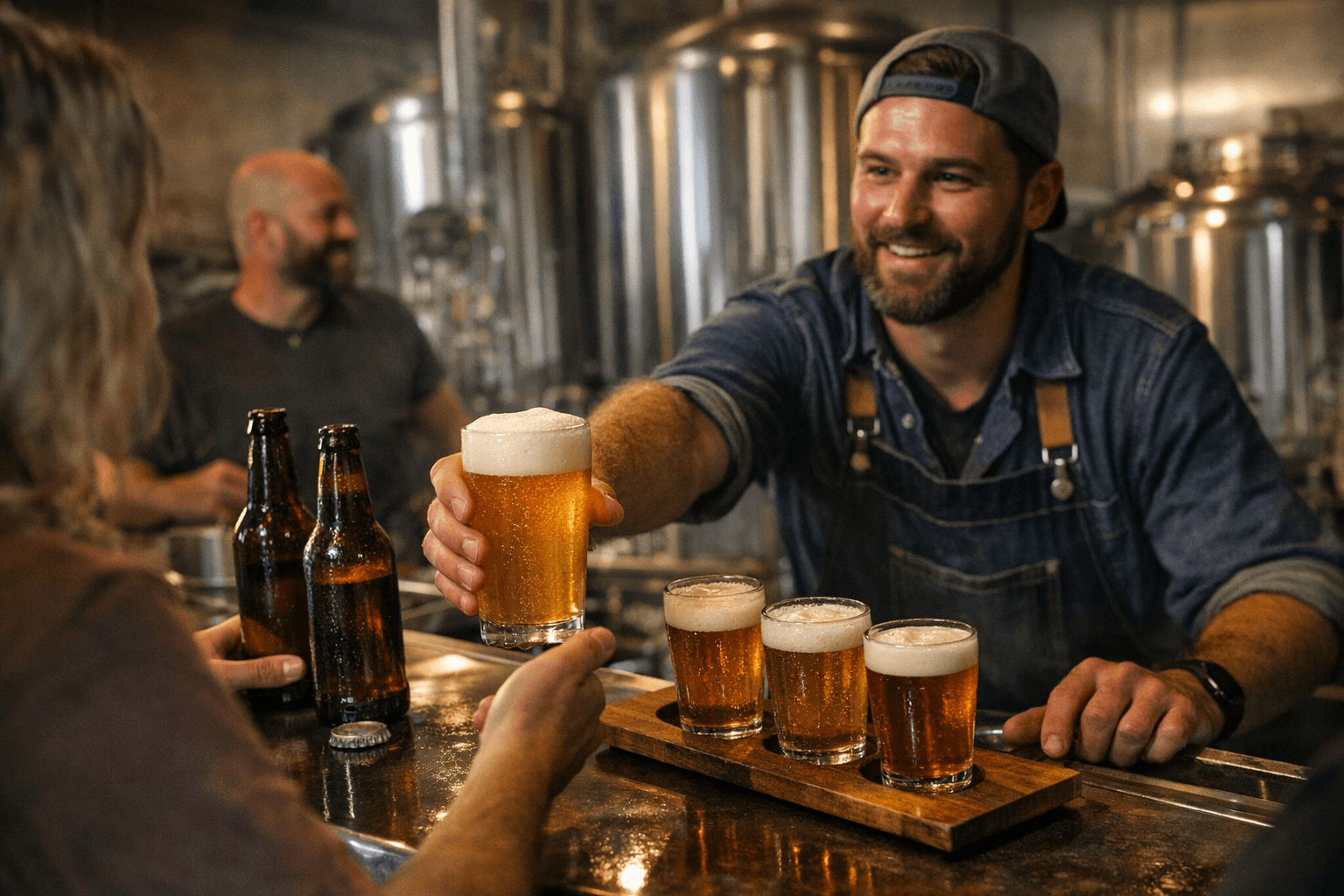
Merchandise NA deliberately, dedicated tap handles, a highlighted section on the menu, and flight pairings that include NA pours communicate legitimacy. Program NA for specific occasions (Dry January taps, Sunday sober socials, or mocktail nights) to convert curious visitors into repeat customers and to normalize NA alongside booze-forward options.
8. Pricing, margins, and consumer perception
Craft NA achieved a premium dollar share versus volume, so consumers will pay for perceived quality. Price NA thoughtfully: avoid undercutting perceived value but keep price points accessible for casual sampling. Consider offering smaller pours or flights to reduce friction for trial while protecting margins.
9. Training staff and telling the story
Train taproom staff to pour and describe NA with enthusiasm and precision, tastes, brewing choices, and food pairing suggestions matter to educated consumers. Use storytelling to highlight process, flavor intent, and occasions; that elevates NA from “water-ish” alternative to craft product worthy of attention.
10. Risks, metrics, and how to measure success
Be mindful that brand counts have outpaced sales growth, entering the space requires a plan for differentiation and distribution. Track metrics like pour-through rate, repeat NA purchases, and occasion-based lift (Dry January vs. summer weekends) to judge whether an NA SKU or curated selection is working for your operation.
11. Data signals and community implications
The Brewers Association analysis (staff economist Matt Gacioch) along with NIQ data and the Brewers Association’s 2025 consumer survey all point to sustained interest and a maturing market. For community brewers, that means NA is not a fad but a new chapter in consumer choice, one that rewards quality, storytelling, and thoughtful placement in taprooms and retail.
12. Outlook for 2026 and closing advice
NA looks likely to remain an important and growing segment in 2026, offering brewers ways to expand reach, support moderation-minded customers, and experiment with low-ABV creativity. Start small, measure what matters, and treat NA with the same craft standards you apply to alcoholic beers, do that and you'll turn curiosity into loyal customers and keep your taps relevant across more drinking occasions.
Know something we missed? Have a correction or additional information?
Submit a Tip