How Robert Hood's Minimal Nation Redefined Minimal Techno Production
Robert Hood's Minimal Nation set the template for minimal techno with a single riff, pounding kick and ruthless restraint that still shapes producers and DJs.
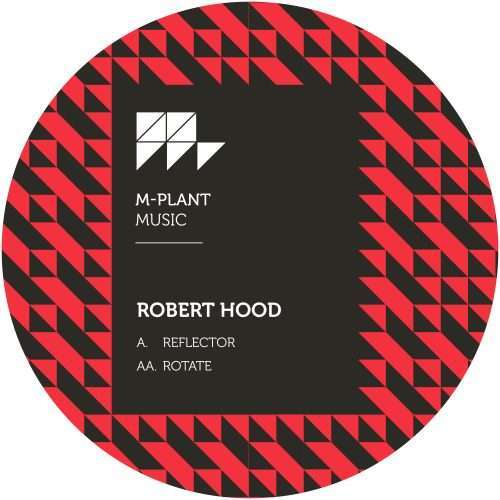
Robert Hood's 1994 release Minimal Nation rewired how producers think about techno. Rather than filling tracks with layers, the record put a spotlight on reduction: a relentless kick, a single riff or motif and tiny, deliberate changes that create emotional build through subtraction as much as addition. That blueprint helped turn minimalism from an underground experiment into a club idiom that still guides sets and studio choices.
Hood's approach emerged from constraints as much as aesthetics. Working with borrowed and second-hand gear, he leaned into what was possible rather than what was missing. Those limitations forced decisions about which elements mattered most and how micro changes, filter moves, the entry or removal of a percussive tick, or a shift in reverb, could carry weight. The result was music that works on the dancefloor and in headphones: hypnotic, muscular and deceptively simple.
Minimal Nation sits alongside early work from Basic Channel, Surgeon, Regis and Mika Vainio as part of a lineage that prioritized texture, space and groove. Where earlier techno often built through accumulation, this wave learned to manipulate attention by reserving sounds and letting the kick do the heavy lifting. That restraint made room for DJs to craft long, immersive journeys and for producers to focus on sound design and micro dynamics.
For producers and DJs, the practical value is immediate. Cut the elements, then make each one mean more. Lean on a single motif and explore its permutations rather than writing new melodies every eight bars. Treat dynamics as a melodic instrument: small automation on velocity, low-pass filters and transient shaping will move a crowd more reliably than an extra synth. Sound choices matter, punchy low end, well-tuned sub and clear midrange create space for minimal parts to breathe. And remember texture: delay feedback effects, porous noise layers and careful saturation add emotional color without clutter.

This is not nostalgia for scarcity. The ethos that arose from second-hand gear still applies in a world of infinite plugin options and GAS-fueled racks. Minimal techno rewards discipline. It asks producers to be surgical with patch cables and plugins alike, to test whether a new element improves the groove or simply fills silence.
The takeaway? Strip things back, then spend time sculpting what remains. Build tension with subtraction, not just with breakbeats and drops. Our two cents? Embrace constraints, tune your kick and make every tiny modulation count, your tracks and DJ sets will feel tighter, deeper and more honest.
Know something we missed? Have a correction or additional information?
Submit a Tip