How Structured Bags, Watches, and Understated Jewelry Elevate Everyday Style
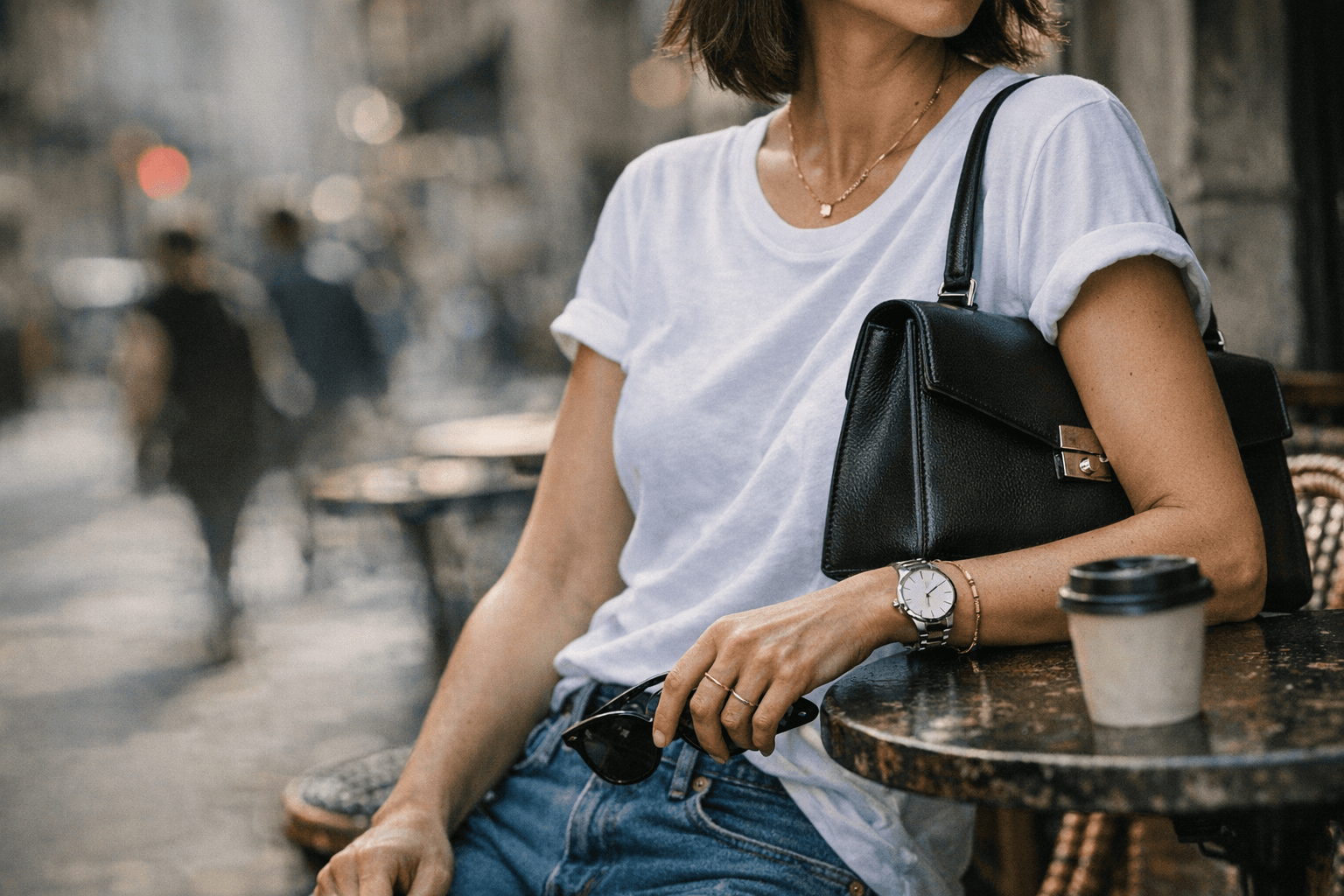
Small, considered accessories—structured bags, a well-chosen watch, and pared-back jewelry—turn a white tee and denim into a distinctly polished everyday look.
“Everyday style is rarely defined by clothing alone. Accessories often determine whether an outfit feels routine or refined.” That line captures the simple premise: a few deliberate pieces—proportionate, well made, and thoughtfully finished—do the heavy lifting of daily dressing. Below, three pillars show how to build that quiet distinction into every outfit.
1. Structured bags
A structured handbag changes posture: it signals intent where a slouchy tote signals “I grabbed what I could.” “A structured handbag, understated jewelry, or a well‑chosen timepiece can shift the tone of an otherwise simple ensemble,” and the practical corollary is easy to describe — swap the overused tote for a crossbody or a structured shoulder bag in neutral leather to instantaneously polish jeans and a tee. Dean Clothing’s advice is specific: “Ditch the overused tote in favor of a crossbody or structured shoulder bag in neutral leather. Even with jeans and a plain tee, the right bag signals effort and polish.”
- Proportion: a bag that balances your frame and the silhouette of your outfit; neither too small nor oversized for your everyday needs.
- Material and finish: neutral leather — tan, black, dark brown — provides maximum versatility; suede or croco-embossed leather can act as a low-key focal point without shouting a logo.
- Practical details: consider a zipped card case or compact wallet — WhoWhatWear lists a “Women’s Cassette Zipped Card Case in Travertine” as an entry-level accessory that keeps pockets tidy while nodding to design.
WhoWhatWear offers concrete product textures and shapes to look for: DeMellier’s The Small Stockholm, in dark chocolate suede and smooth leather finishes, is cited as the kind of generously sized, city-ready piece that reads composed rather than loud; the list also includes a Medium Croco-Embossed Day Pouch in dark brown, which proves that texture (croco embossing) can be subtle and authoritative. When shopping, prioritize:
Entry-level designer picks can be accessible; WhoWhatWear’s framing—“The Best Entry-Level Designer Accessories Under £500”—reminds us that quality and design do not always require full luxury pricing. And geography sometimes informs taste: Mulberry is described as “enmeshed with London itself,” while DeMellier is “based in London, but inspired by Stockholm,” both references that explain how city sensibilities shape a bag’s temperament.
2. Watches
A watch remains the single accessory that is both utilitarian and declarative; it is the measure of time and, quietly, of taste. Ocnjdaily’s observation that “a thoughtfully chosen watch or handbag can adapt to new contexts” is crucial: a steel bracelet or a slim leather strap will move smoothly from morning meetings to weekend errands. Material choices matter — the original guidance prompts buyers to “choose materials and finishes (stainless steel, …),” and Ocnjdaily’s broader palette — silver and gold — supplies the palette for coordinating metals with other accessories.
- Scale and wrist presence: a modest-diameter case reads more understated; a broader case reads sporty or statement-driven. Balance the watch’s diameter with your wrist and the other proportions in your look.
- Metal coordination: silver or stainless steel is versatile and casual-leaning; yellow gold or warm gold tones harmonize with leather belts and bag hardware for a cohesive silhouette.
- Function vs. form: choose a watch that performs the chores you need (date, simple timekeeping) while favoring classic silhouettes that “outlast fleeting trends.” As Ocnjdaily notes: “While fashion cycles shift rapidly, well‑designed accessories often outlast fleeting trends. Classic silhouettes and balanced proportions maintain relevance across decades.”
When selecting a daily timepiece, attend to:
Think of your watch as the anchor of your accessory story: it should complement rather than compete with your bag and jewelry. That restraint — “Accessories elevate everyday style when they complement rather than compete” — is the watch buyer’s mantra.
3. Understated jewelry
Understated jewelry is not invisible; it is decisive in scale and texture. Dean Clothing’s prescription is elegantly simple: “Start with Statement Jewelry” but calibrate the statement to your wardrobe — “Adding one bold piece of jewelry — like oversized hoops, a chunky chain necklace, or stacked rings — instantly brings focus to an outfit.” For those who prefer restraint, “Minimalist? Try a clean gold cuff. Maximalist? Go for layered necklaces in different textures.”
- One-locus rule: choose a single focal point (earrings, a necklace, a cuff) and keep other pieces subdued so your accessories “complement rather than compete.”
- Mix metals with intention: silver and gold are both cited as versatile; choose finishes that echo your watch or bag hardware to achieve cohesion — Ocnjdaily suggests “Neutral accessories, silver, gold, black, tan, offer versatility across wardrobes.”
- Everyday pieces: think of stacked rings, a chunky chain, an elegant cuff, or a delicate pendant as the building blocks of daily elegance; Maevawithamour’s edit celebrates “everyday jewelry that never feels like too much,” designed to be worn often and mixed easily.
Practical ways to build a wearable jewelry edit:
- Belts: “A sleek leather belt with gold hardware can turn relaxed trousers or denim into a defined, structured look.” Use a belt to cinch oversized shirts, sweater dresses, or blazers.
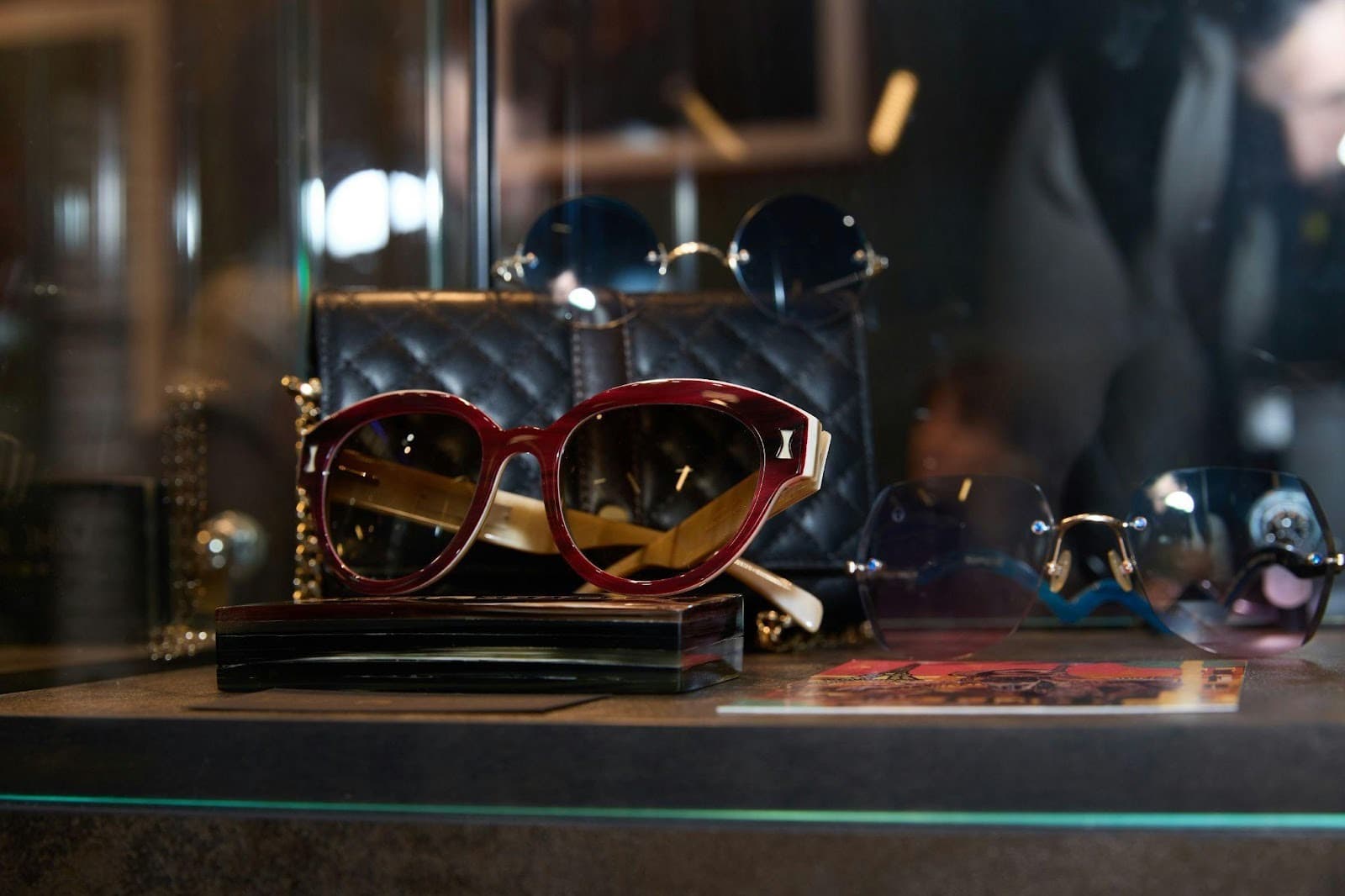
- Scarves & sunglasses: “A silk scarf tied around the neck, hair, or bag strap brings texture and color,” and structured sunglasses — oversized black or retro tortoiseshell — “instantly elevate a simple tank or button-up shirt.”
- Hair accessories & gloves: WhoWhatWear reminds us that a chunky headband “really can become part of your everyday wardrobe,” while seasonal pieces like “Mulberry, Suede Gloves” or Toteme’s “papery-thin sun hat” are the kinds of extras that make routine dressing feel intentional.
Under this same umbrella reside related accessories that shape daily polish: belts, scarves, sunglasses, hair pieces, gloves, hats, and shoes. Maevawithamour frames these as part of a curated wardrobe — “Think sculptural belts, effortless everyday jewelry, chic hair accessories, and timeless scarves, pieces designed to be worn often, mixed easily, and styled without overthinking.” Dean Clothing’s practical tips extend the jewelry principle:
Shoes and small leather goods complete the ensemble. Dean Clothing advises swapping tired sneakers for “clean white leather low-tops,” or dressing joggers with heeled boots or loafers; minimalist leather sandals also lift summer looks. Even small items — a croco-embossed day pouch or a compact zipped card case — help maintain visual coherence.
Final thought Personal style evolves “through small, intentional details rather than dramatic overhauls,” and the simplest wardrobe—white tee, great denim, comfortable shoes—comes alive through calibration: the right bag in the right proportion, a timepiece that anchors your day, and jewelry chosen with restraint and purpose. As both practical and aesthetic devices, these accessories perform the rare trick of being both useful and characterful; they “offer individuality while grounding outfits in structure and refinement.” Accessories elevate everyday style when they complement rather than compete.
Know something we missed? Have a correction or additional information?
Submit a Tip