How Suffolk County Seniors, Low-Income Residents Can Access Emergency Services
Suffolk County residents can access warming centers, HEAP, SNAP, meals on wheels and other emergency services via 311, senior centers and the Department of Social Services; prepare ID and proof of residency.
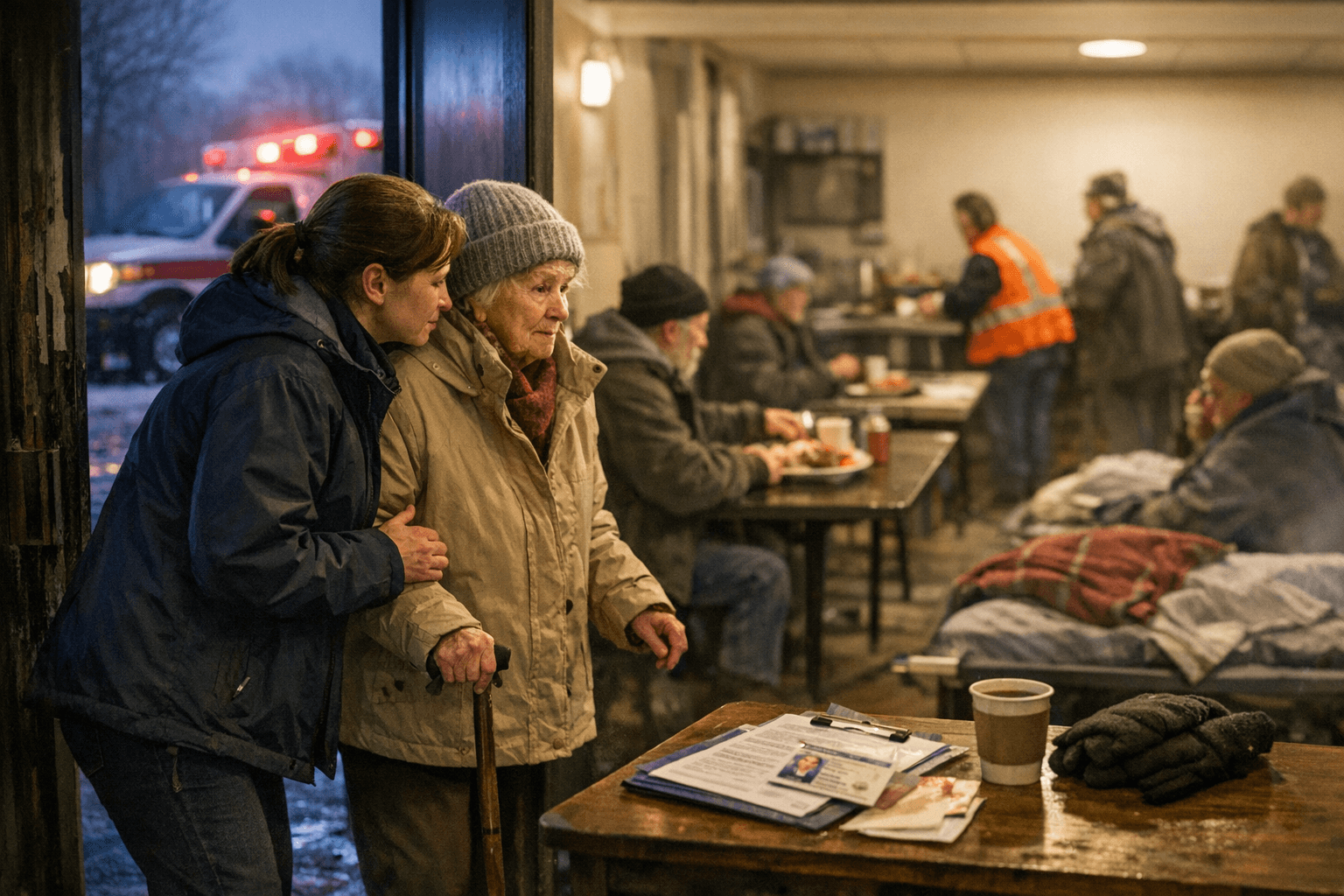
When cold snaps or housing emergencies threaten health and safety, Suffolk County offers a network of services for seniors and low-income residents to stay safe and warm. County offices, town senior centers, nonprofits and faith groups coordinate warming centers, temporary shelters and emergency aid, information on activation and hours is posted on municipal sites and county communications channels.
The Suffolk County Office for the Aging is the primary access point for residents 60 and older. It provides in-home services, congregate meals and home-delivered meals on wheels, transportation assistance, legal counseling, caregiver support and wellness checks. Local senior centers handle enrollment for many Office for the Aging programs and often operate van services for medical appointments and grocery trips.
For fuel and immediate economic relief, the Suffolk County Department of Social Services administers HEAP, SNAP, Medicaid and emergency housing assistance. DSS also processes short-term emergency aid related to heating fuel or housing crises and can refer residents to charitable partners that provide emergency fuel deliveries or vouchers. Many applications for HEAP, SNAP and Medicaid can be started online; paper and in-person applications are still accepted at DSS offices.
Transportation remains a critical link for older adults and those with health needs. Non-emergency medical transportation and paratransit options exist for eligible residents. Hospitals and community health centers coordinate discharge planning and refer at-risk patients to home-care and social service agencies to prevent gaps in care that can lead to emergency shelter needs.
To get help, call 311 or the county’s main non-emergency line for referrals to warming centers, social services and program intake. For immediate danger or life-threatening situations call 911. Family members and caregivers concerned about isolated seniors can request welfare or wellness checks through town or county service lines. When applying for assistance, have photo identification, proof of residency, income documentation and relevant medical information ready to speed processing.
Local nonprofits and faith-based organizations often fill gaps during widespread events, supplementing county services with meal delivery, transportation and volunteer staffing at shelters and warming centers. For up-to-date notices from county agencies, visit the Office for the Aging at suffolkcountyny.gov/Departments/Office-for-the-Aging, the Department of Social Services at suffolkcountyny.gov/Departments/Social-Services and the Office of Emergency Management at suffolkcountyny.gov/Departments/Office-of-Emergency-Management.
For Suffolk County readers, saving 311, bookmarking the county links and preparing required documents can shorten wait times and connect vulnerable neighbors to services faster. In a region where winters can strain finances and mobility, knowing where to call and what to bring is the first step to staying safe.
Sources:
Know something we missed? Have a correction or additional information?
Submit a Tip