How super-shoe tech and rules reshaped marathon racing
Foams, carbon plates and tighter rules turned the marathon into a technological arms race, helping drive record times while forcing new questions about fairness and access.
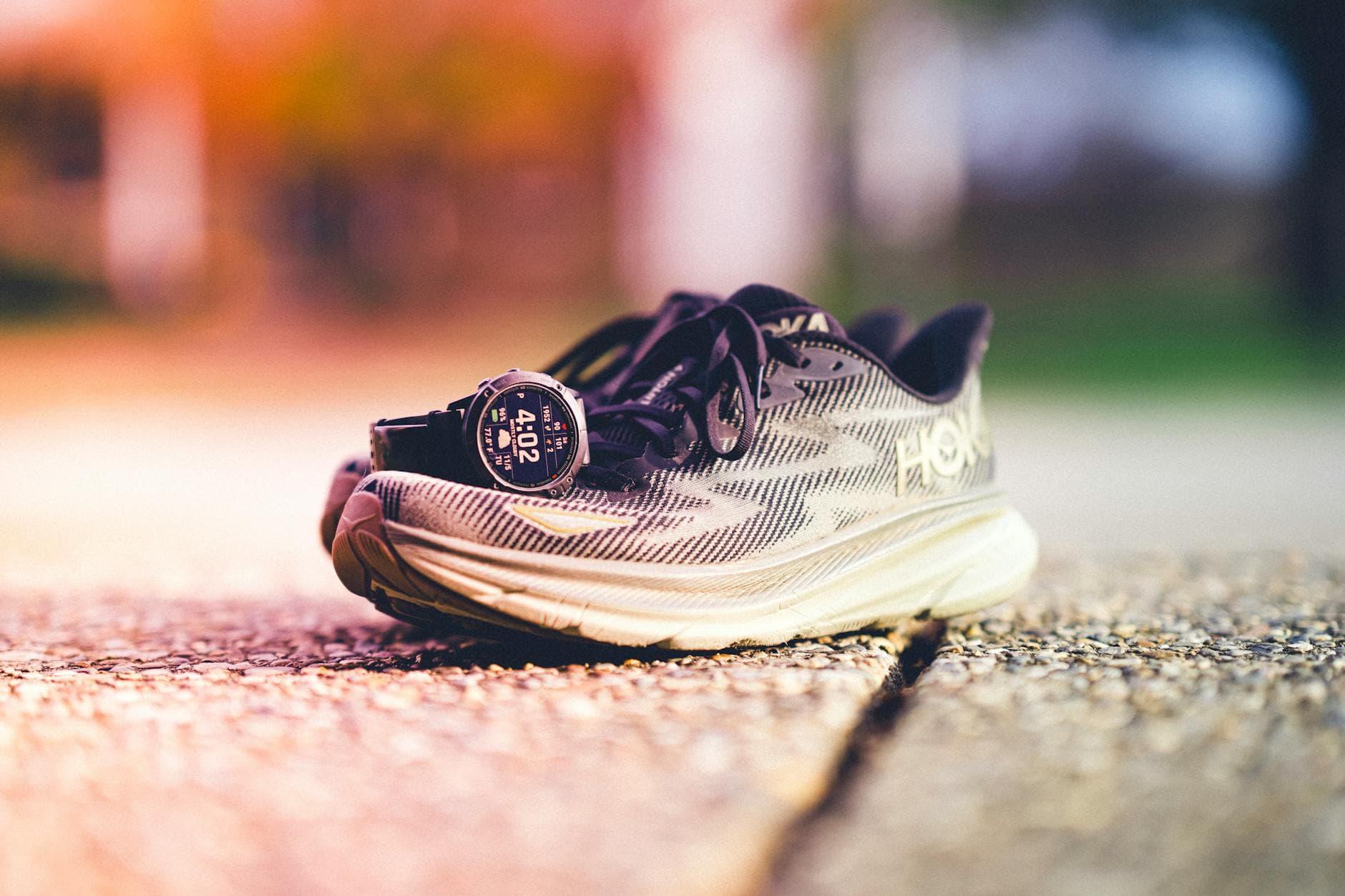
The race inside the shoe
Marathon racing now hinges on more than mileage and grit. A lighter foam, a carbon-fibre plate and a few millimeters of midsole have become decisive enough to redraw the line between training, equipment and competitive advantage.
That shift has made the modern marathon look less like a pure test of endurance and more like a contest of biomechanics, engineering and regulation. The sport’s oldest race, first included in the modern Olympics in 1896, was built around the idea that runners competed against distance and each other. Today, the shoe itself has become part of the argument.
How Nike changed the conversation
Nike helped set off the super-shoe era in 2017 with the Vaporfly 4%, the first commercially available Nike racing shoe to pair a carbon-fibre plate with ZoomX foam. Nike said research showed a 4% improvement in running economy, a small number that carried huge consequences in a sport where seconds separate champions from also-rans.
The company’s own history shows that the appetite for marginal gains long predates the current boom. Nike says the Mariah was its first racing shoe to offer a measurable benefit to athletes and reduce energy expenditure by 2%, and it places the Vaporfly lineage in a longer arc of innovation that began with early models such as the Moon Shoe and the Waffle Racer. What changed in 2017 was not the desire for speed, but the scale of the performance jump and the commercial race that followed.
Once that threshold was crossed, rival brands rushed in. The result was a new era in which the promise of faster times was no longer limited to training, altitude camps or pacing strategy. It was built into the shoe box.
Why regulators stepped in
World Athletics responded in 2020 with rules designed to slow the escalation without shutting down innovation entirely. The new standards set a 40mm maximum sole thickness, limited competition shoes to one rigid embedded plate or blade, and required that shoes be available on the open retail market for four months before they could be used in competition.
Those rules matter because they redraw the boundary between legitimate equipment and hidden advantage. A shoe can still be advanced, responsive and expensive, but it cannot keep stacking technology indefinitely in ways that leave competitors or officials unable to tell where the line sits.
Enforcement became more important as the market accelerated. In June 2024, World Athletics launched a shoe-check application to help athletes, coaches, officials and manufacturers monitor footwear compliance. That move signaled that shoe rules were no longer a niche technical issue. They had become part of the sport’s basic infrastructure, much like anti-doping controls or lane markings.
London became the showcase
No major marathon has displayed this shift more clearly than London. In 2024, Adidas shoes carried Alexander Munyao to victory in 2:04:01 and Peres Jepchirchir to the women’s title in 2:16:16. The times were fast, the margins were elite, and the shoes were part of the story, not an afterthought.
By 2026, Adidas was openly framing London as proof that the super-shoe race had moved from promise to performance. The company said Sabastian Sawe broke the sub-2-hour barrier at London with a 1:59:30, Yomif Kejelcha ran 1:59:41 in his marathon debut, and Tigst Assefa produced a women-only world record of 2:15:41. Those marks matter not only because they are quick, but because they show how the same technology conversation now reaches both men’s and women’s elite racing.
The technology era has also changed how records are read. A marathon time now tells a story about physiology, pacing and preparation, but it also invites scrutiny of foam density, plate geometry and compliance with World Athletics rules. London has become a public test case for whether footwear innovation can still be celebrated as progress without turning competition into an arms race.
The record chase and its limits
The most striking proof of the new era may be Kelvin Kiptum’s men’s marathon world record of 2:00:35 in Chicago in 2023, achieved in Nike’s Alphafly 3. That performance showed how quickly a shoe platform can become part of the record conversation, especially when the margins at the top are already razor thin.
At the same time, the rulebook exists because unlimited innovation would make the sport harder to police and harder to trust. If one brand can keep adding height, stiffness and rebound while another stays within bounds, the competition starts drifting away from athletic ability alone. The 40mm limit and one-plate rule are attempts to preserve a meaningful contest rather than freeze technology altogether.
What it means for elite fairness and everyday runners
For elite athletes, the super-shoe era raises a hard fairness question: how much of a result belongs to the runner, and how much belongs to the lab? That question is especially sharp in a sport where medals, sponsorships and world records can transform a career, and where a few seconds can separate a breakthrough from anonymity.
For everyday runners, the consequences are different but still significant. Super-shoe marketing has widened the cultural idea that speed is something you can buy, not just build, which can be inspiring but also exclusionary when premium shoes cost far more than standard trainers. In community running clubs and local races, that can quietly reshape who feels equipped to belong, and who feels left behind by a sport that once sold itself as the most accessible form of endurance.
There is also a public health angle. If lighter, more responsive shoes help more people enjoy running, they may support activity, confidence and consistency. But if the message becomes that serious participation requires expensive gear, the sport risks turning a simple, low-barrier habit into another arena of consumer pressure.
The marathon has always been about human limits. What has changed is that those limits are now being negotiated inside the shoe as much as inside the athlete, and the next records will keep forcing the sport to decide how much technology belongs on the starting line.
This article was produced by Prism’s automated news system from verified source data, official records, and press releases, then run through automated quality and moderation checks before publishing. The system is built and supervised by the people who set the standards it runs under. Read our full AI policy.
Did this article answer your question?