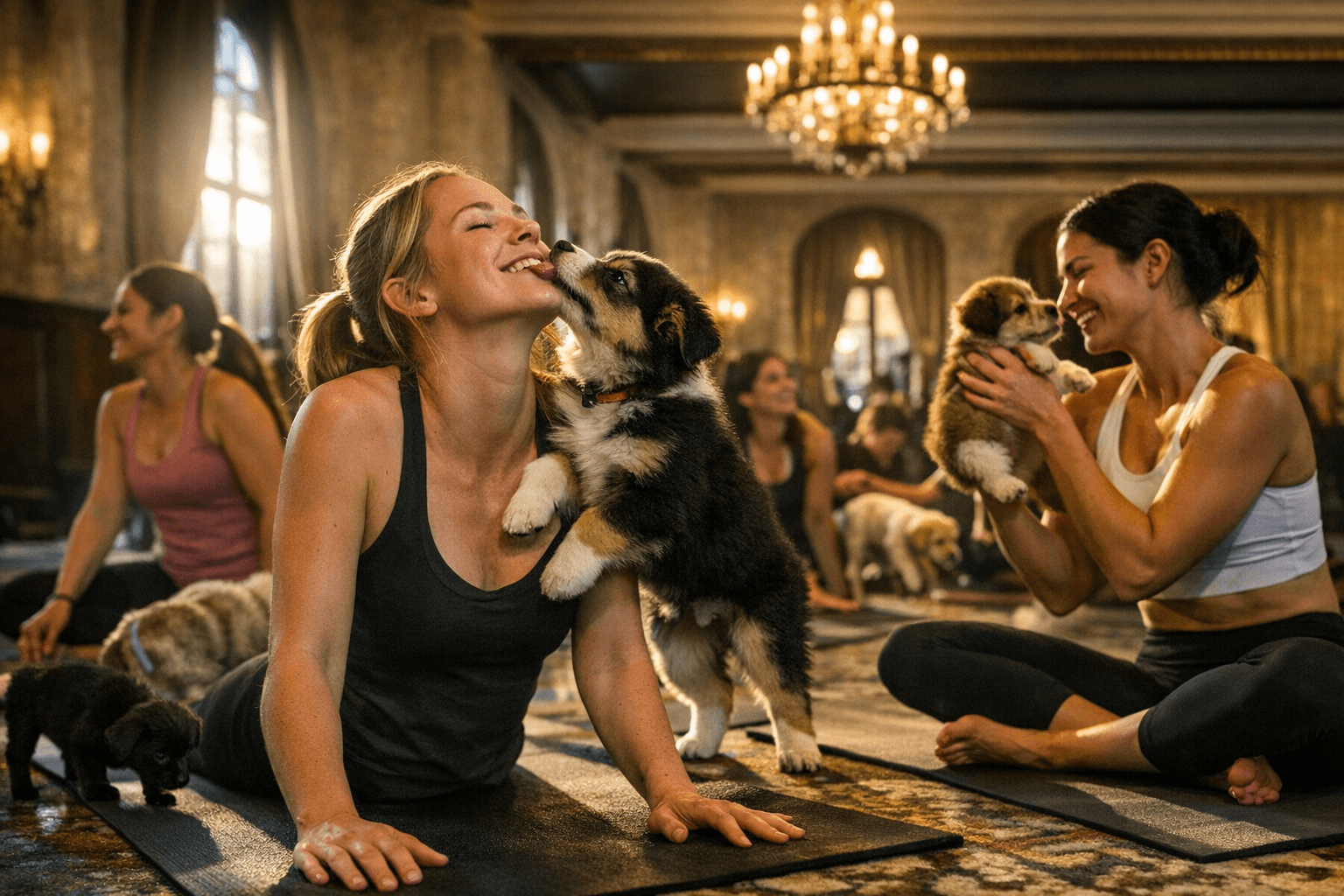
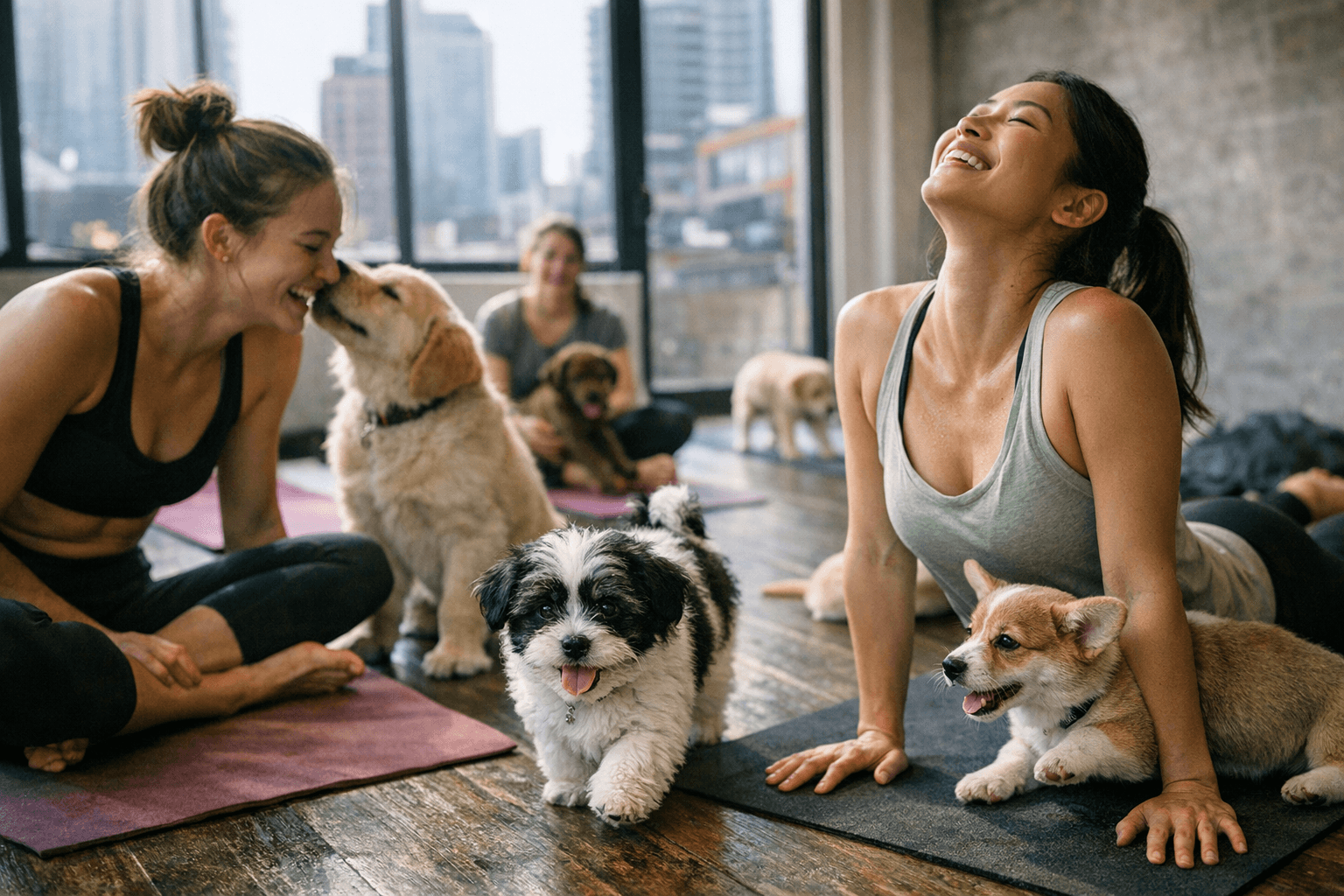
How to Add Doga to Your Dog’s Year-Round Fitness Plan
This article lays out multiple ways to keep dogs physically and mentally fit throughout the year and explains how to weave doga into a broader exercise routine. Practical, safety-focused advice shows how short, regular sessions and complementary activities like walks and puzzle toys make doga accessible and beneficial for a wide range of dogs.
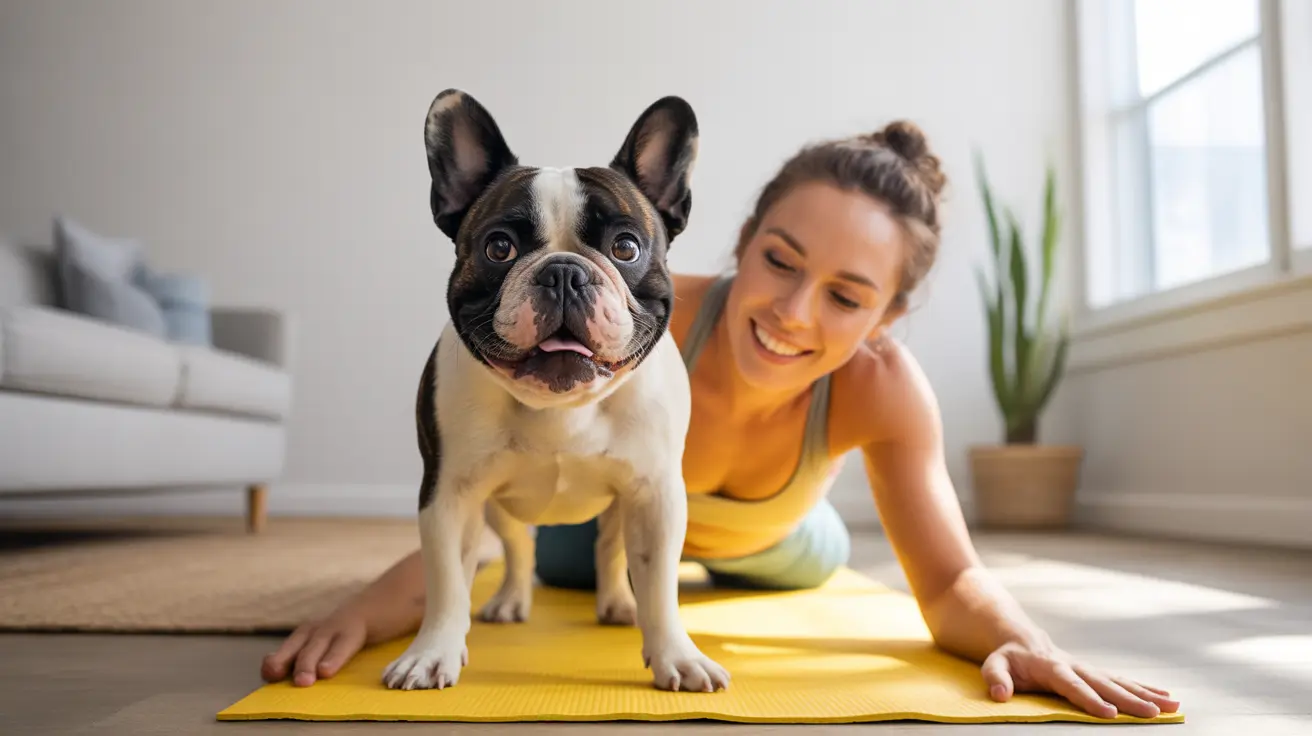
Doga works best as one component of a balanced fitness plan that addresses both physical exercise and mental stimulation. Short, regular sessions on the mat complement daily walks, indoor play, and puzzle toys to create variety and maintain engagement. For many owners, adding doga introduces gentle strength-building, calm companionship, and an opportunity to practice positive reinforcement while respecting each dog’s limits.
Safety and tailoring are central. Consult a veterinarian before beginning new activities, especially for senior dogs or animals with joint issues. Let the dog choose whether to participate; never force a stretch or position. Watch for signs of fatigue or discomfort and stop the session if your dog seems uneasy. Positive reinforcement and gradual progression keep doga a low-stress experience.
Size and temperament affect how doga is practiced. Small dogs can rest on your back during human poses to provide gentle, added resistance if both you and the dog are comfortable and safe. Larger dogs often offer value by sharing the mat and providing a calm, stabilizing presence; in some cases they can offer physical support for certain human balance poses, but only when the dog is willing and steady. For anxious or high-energy dogs, pair brief doga moments with active play and mentally stimulating toys so the practice does not become the only outlet.
Structure sessions to fit your dog’s needs and your schedule. Short bursts that happen regularly are more effective than long, infrequent sessions. Begin with a warm-up that may include a short walk or light play, then move into simple poses or quiet floor time together, followed by a cool-down and a reward. Incorporate puzzle toys and obedience games on non-mat days to maintain mental fitness.
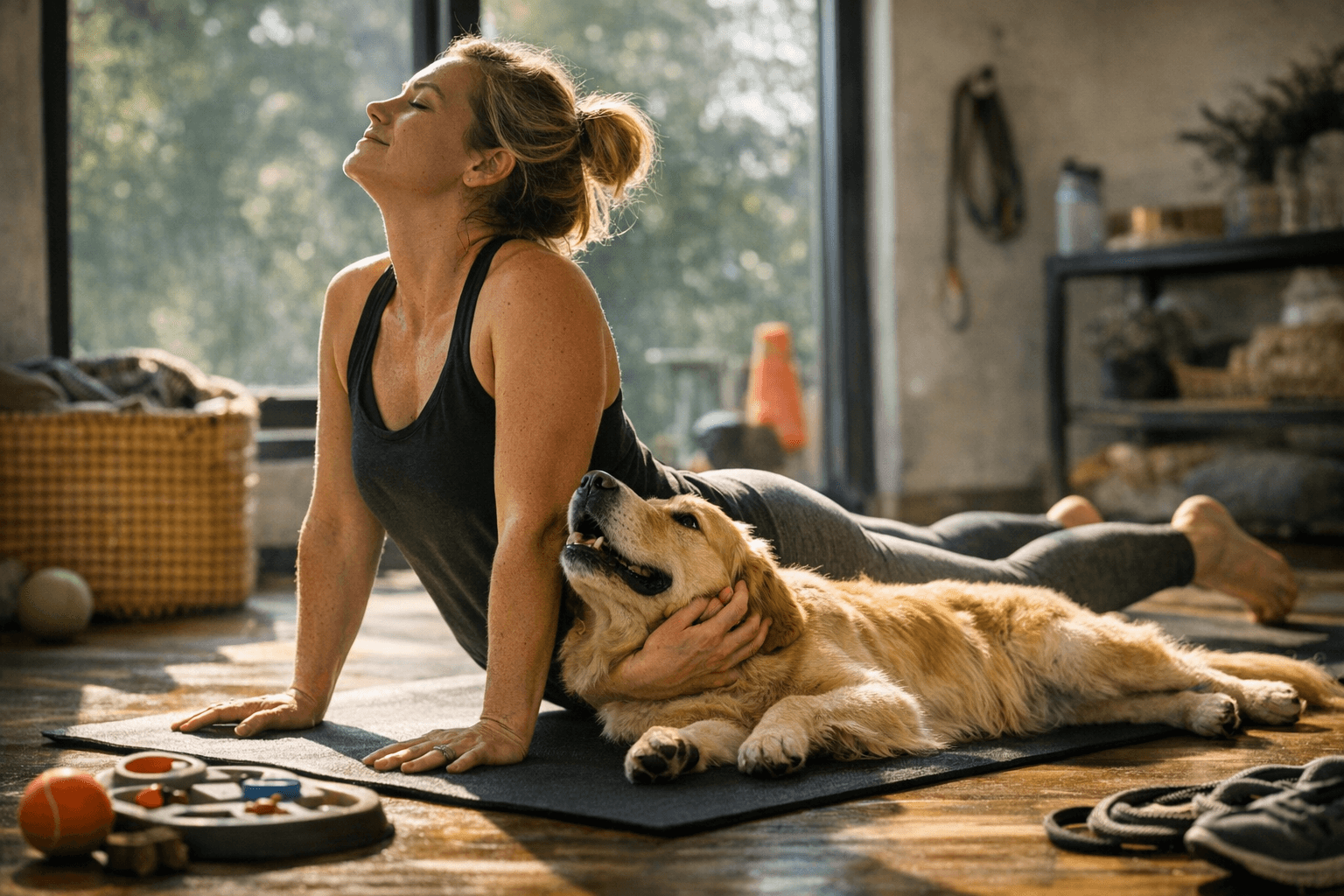
Doga’s practical benefits extend beyond the mat. Regular, gentle interaction can strengthen the human-dog bond and create predictable, calming routines at home. For community-minded owners, clear rules about mat space, leashing, and respecting other dogs’ comfort help make group sessions pleasant for everyone. Always tailor activities to each dog’s age, health, and temperament rather than aiming for a one-size-fits-all set of poses.
Used thoughtfully, doga is a safe, owner-facing primer on adding mindful movement to your dog’s year-round routine. Keep sessions brief, prioritize comfort and consent, consult your veterinarian when in doubt, and blend doga with walks, play, and puzzle toys for balanced fitness and lasting benefits.
Know something we missed? Have a correction or additional information?
Submit a Tip