How to Build a 6'11 Paolo Banchero-Style Frontcourt Creator in NBA 2K26
Learn how to build a 6'11 Paolo Banchero–style frontcourt creator in NBA 2K26, with exact physicals, attribute targets, badge priorities, and on-court tips to mash inside scoring with playmaking.
1. Role and what this build does
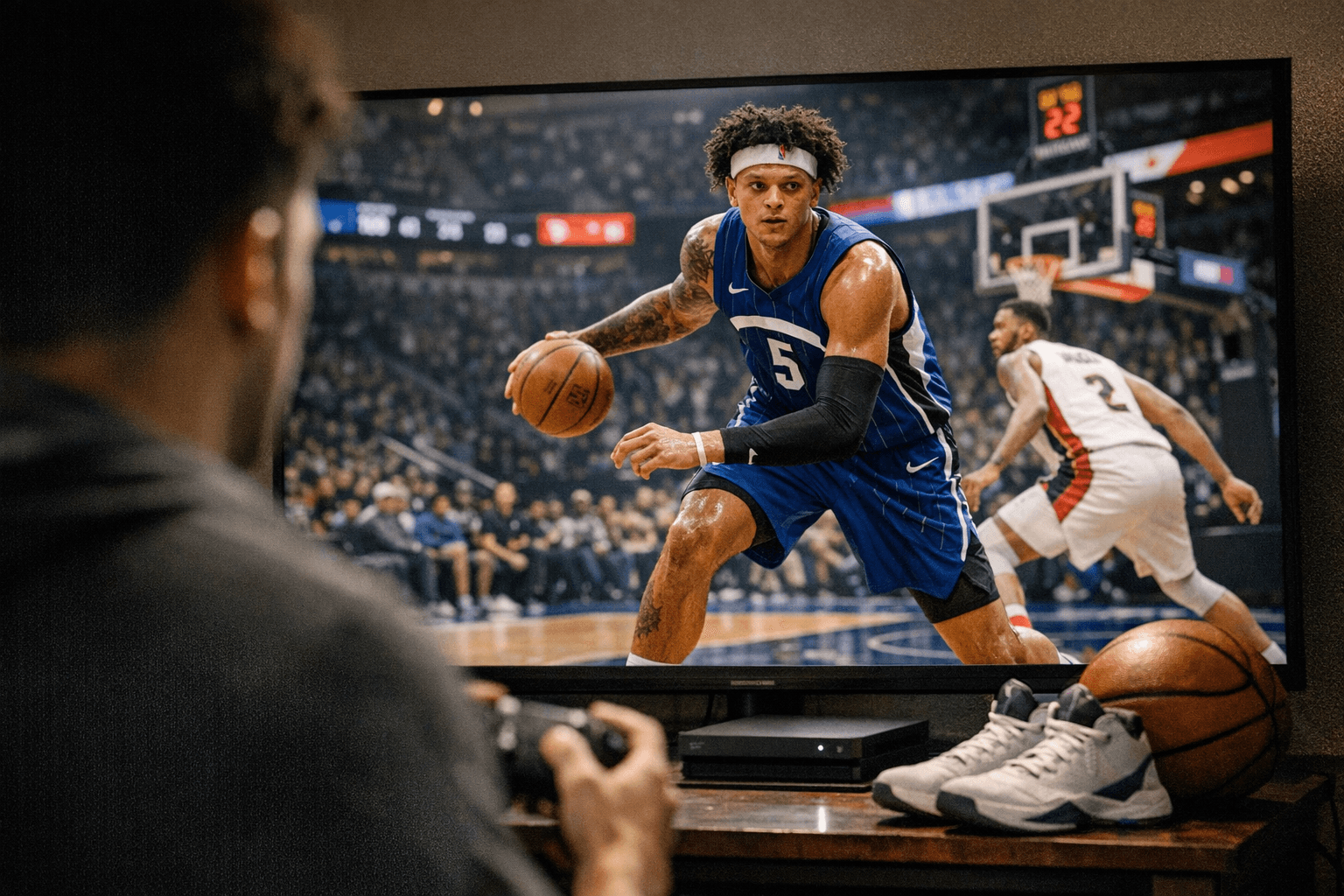
This template is a downhill attacking big who creates for himself and others: think size to seal, paint scoring, and three-level scoring to punish mismatches. You get a two-way frontcourt creator who spaces the floor, initiates offense from the elbow or high post, and uses size to switch on defense. It’s designed for MyCAREER players who want to be a modern combo big, post threat, mid-range assassin, and reliable three-point option.
2. Physical profile (exact settings)
Set position to Power Forward, height to 6'11", weight to 225 lbs, and wingspan to 6'11". Those physicals give the blend of length for contesting and rebounding while keeping mobility and shooting windows open. The 225 lb weight preserves agility for playmaking moves and quicker drives without sacrificing too much interior presence.
3. Attribute targets to hit Paolo-like strengths
Aim for these core attribute examples: Close Shot 85, Driving Layup 90, Driving Dunk 87, Standing Dunk 73, Post Control 87, Mid-Range Shot 85, Three-Point Shot 89, Free Throw 72. These numbers prioritize finishing at the rim and in the post, while keeping mid-range and three-point marksmen-ready for spacing. Free Throw at 72 is serviceable for late-game situations, and standing dunk at 73 ensures you still look like a threat on dump-offs and putbacks.
4. Playstyle blueprint
Play downhill by attacking closeouts, turning elbow touches into drives, and using post drop-steps when defenders overplay the perimeter. Offensively you should act as both spacing big and secondary ball-handler: make the defense respect your shot outside and then use size to bully mismatches inside. Defensively your length lets you switch into guards occasionally, protect the rim on help rotations, and rebound aggressively to fuel transition offense.
5. Badge priorities and animation guidance
Prioritize finishing and post badges first, then invest in playmaking and shooting badges to preserve spacing and versatility. Focusing badge points on finishers/post play makes you a reliable inside option on contested looks; after that, stack playmaking badges so you can create for teammates and yourself. For animations, choose motion sets that favor contact finishes, fluid post moves, and quick dribble pull-ups to match Paolo’s hybrid inside-out game, animations that let you shift from bully-post to spot-up three quickly will pay dividends.
6. Practical tradeoffs for height, weight, and thresholds
When you tweak height or weight, remember the classic 2K tradeoff: taller and heavier increases defensive and rebounding thresholds but can push you out of certain speed/shooting caps. Staying at 6'11" with a 225 lb weight hits a sweet spot: you keep shooting thresholds for an 89 three without gutting lateral quickness. If you prefer more athleticism, shave an inch or drop weight, but be prepared to sacrifice some post control and contesting power.
7. Early training and rep priorities to reach the role fast
In MyCAREER prioritize reps that boost finishing at the rim, post control, and playmaking ball handling early, these unlock your core role faster and give immediate impact minutes. Target drills and badge training that improve close shots, driving layups/dunks, and post moves first; then shift reps toward three-point timing and playmaking once you’ve locked a reliable inside game. Consistent pickup or park sessions focused on dribble creation and catch-and-shoot threes accelerate badge progression and practical polish.
8. On-court usage and synergy tips
Run plays that feed you on the elbow or short roll to kick out or finish, and space the floor so teammates can penetrate into your passing lanes. Use screens to get downhill and force help, then punish rotated defenders with quick mid-range or three-point shots. • On defense, hedge smart, use length to deter clean drives, and box out aggressively to secure rebounds. • In pick-and-rolls, operate as both screener and roller, your playmaking lets you hit cutters and shooters off reads.
9. Community relevance and why players are gravitating to this build
This template taps into current meta trends: positionless spacing, big playmaking, and two-way versatility, exactly what park and Pro-Am communities want. It’s valuable because it translates cleanly between park, Pro-Am, and MyCAREER run-and-gun styles, giving you a role that’s both coveted and effective. Expect teammates to seek you out as a dependable late-clock option or high-post initiator who can also bang inside when needed.
10. Final tips and closing wisdom
Start badge and rep work on finishing and post early, then round out shooting and playmaking so you don’t become one-dimensional; remember, spacing is your currency. Practice your shot timing off the catch and master a few post moves so you’re lethal from any close-in look. Play the long game: this build rewards smart floor reads and steady badge investment, lean into the mismatch, keep your spacing, and the frontcourt creator life will reward you.
Know something we missed? Have a correction or additional information?
Submit a Tip