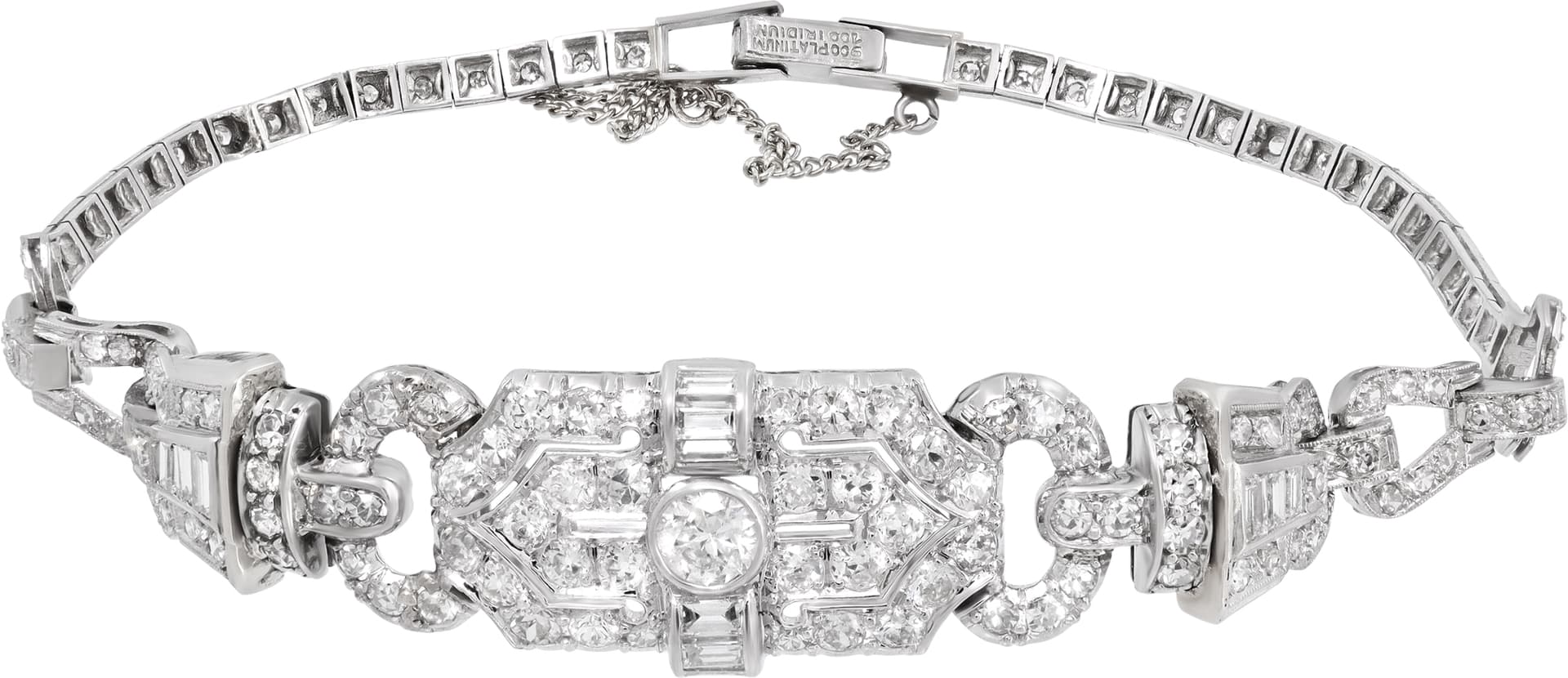
How to Choose Between Gold-Filled, Gold-Plated, Vermeil and Solid Gold
Choose gold-filled when you want longevity and hypoallergenic wear, vermeil for sterling-silver warmth, plated for trend pieces, and solid gold for lasting investment.

Definitions and what they mean to the hand and the skin Gold-filled: as Beadsofcambay puts it, “Gold-filled jewelry has a solid layer of gold mechanically bonded to a base metal, typically brass.” In practice that means a thick, permanently laminated sheet of 10k–18k gold alloy is physically bonded to a core and becomes the wearable surface, not a mere surface wash. Susan Rodgers Designs and Rays&Riches note a commonly cited industry threshold: “To qualify as 'gold-filled,' the gold layer must make up at least 5% of the total metal weight,” often seen stamped as “1/20 14K GF,” which the transcript explains as meaning 5 percent gold by weight.
Gold-plated and vermeil explained Gold-plated items receive a very thin coating of gold deposited by electroplating; Beadsofcambay and Artinas describe this as “a very thin layer of gold applied over a base metal using an electroplating process.” Rays&Riches quantifies plated content as minuscule — “less than 0.05%” — which is why they argue gold-filled pieces are about 100 times richer in gold than plated ones. When the base metal is sterling silver (925), the plated variant is called gold vermeil; Artinas and Beadsofcambay point out that vermeil gives you the luster of gold on a silver core. A transcript fragment even cites a common vermeil benchmark: “gold vermeil which means that it has two microns of gold plated,” though that phrasing is clipped in the source material.
How these things are made — the craft beneath the shiny surface Gold-filled is not casting and plating; it is lamination. Artinas describes the method succinctly: “10k, 12k, 14k, or 18k gold alloy is layered and bonded to a metal core. This is then heated and passed through a roller several times, creating an entirely new material.” The YouTube transcript fills in the picture of production constraints: because gold-filled starts from sheets and wires that are rolled and stamped, “it limits you as to the kind of designs that you can have” compared with cast and plated pieces. Gold plating and vermeil are electrochemical processes: “chemically processing the gold onto other metals with an electrical current,” as Artinas describes, which allows plating of complex cast forms at lower material cost.
Marks, standards and one important disagreement You will see stamps for a reason. The “1/20 14K GF” marking — explained in the transcript — is shorthand for the legal or customary rule that a piece must be at least 1/20th gold by weight to carry a GF stamp. Multiple sources (Susan Rodgers Designs, Rays&Riches, and the transcript) use the 5% figure in tandem with the “100 times” comparison to plated pieces. Artinas complicates the picture by stating that the layer of gold in gold-fill jewelry can be “anywhere between 20–75% of its entire weight,” a much larger figure. Both sets of numbers appear in the market vocabulary; the difference may stem from whether one measures the laminated sheet alone or the finished item’s total weight. Be aware: the 5%/1/20 rule is the commonly cited standard across several sources, but Artinas’ higher range is an explicit counter‑claim in the materials you’ll encounter.
Durability, replating and skin reactions — what wears best Durability is where gold-filled makes its case. Multiple sources call gold-filled pieces long‑lasting — the YouTube transcript even says they are considered “lifetime jewelry” — and Rays&Riches and Artinas note that the thicker gold layer “gives gold-filled items a longer lifespan and makes them more resistant to tarnishing and flaking.” Gold-plated jewelry, by contrast, “is the cheapest of the three” and is “the quickest to tarnish,” the transcript warns; Ray&Riches gives plated pieces a tiny gold fraction (<0.05%), which explains their shorter lifespan. For sensitive skin, Rays&Riches and Artinas both argue the thicker gold layer reduces the risk of irritation, whereas gold-plated items “can sometimes cause allergic reactions.”
Price, perceived value and retail realities Expect to pay for that longevity. Rays&Riches lists typical price bands in euros: gold-filled at roughly €40–€200+ and gold-plated at €10–€50, which supports the often-made tradeoff between cost and durability. Artinas provides an interesting counterpoint: in some examples “Gold-filled (left) Vs. Gold-Plated (right) necklaces. Both retail for roughly the same price and have virtually the same colour.” In short, surface similarity can mask very different metal economics; sometimes retailers price on style and brand rather than only material content.
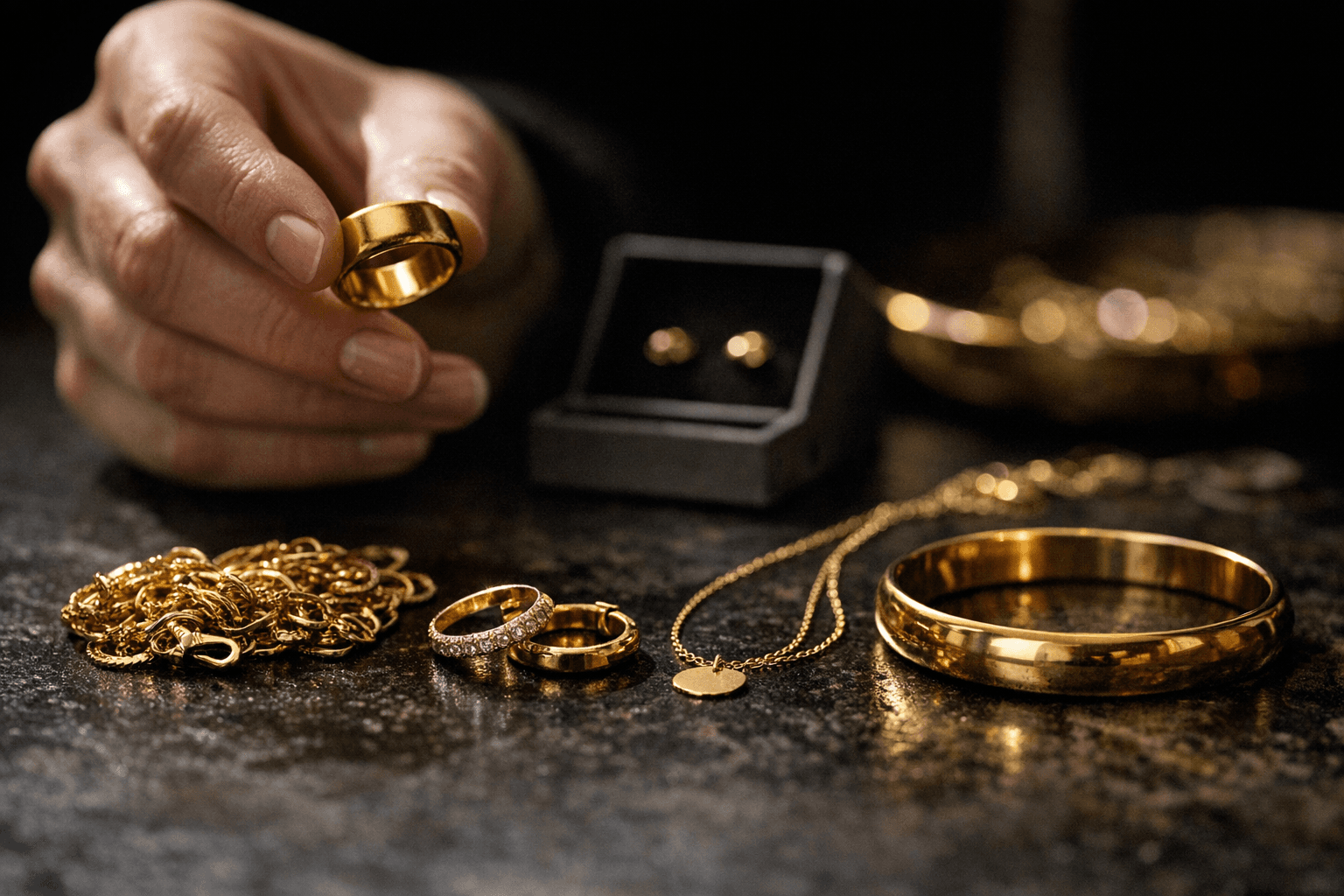
Design trade-offs and when vermeil is the better choice Design freedom favors plating and vermeil. Because gold-filled must begin as bonded sheets or wires, intricate cast shapes and very fine filigree are harder to execute in gold-filled form, as the YouTube speaker points out. If you want gold appearance on a silver core — for hypoallergenic reasons or to preserve the feel of sterling — choose vermeil: “Gold vermeil jewelry has a base metal of sterling silver,” Artinas and Beadsofcambay note, and it gives you the warmth of gold over a silver foundation.
- Store jewelry dry, away from chemicals and salt water.
- Remove pieces for heavy wear and when applying lotion or perfume.
- Plan for replating as a maintenance cost on plated/vermeil items; treat gold-filled as a long-term wardrobe investment.
Care, repair and the reality of aging
All sources agree on the practical difference: plated pieces may need replating; gold-filled, with care, can last decades. The transcript is blunt: plated pieces “will oxidize and there's nothing you can do other than to replate.” Artinas warns that “as long as gold-filled jewelry is properly cared for, it can last a lifetime,” though its published care list was not included in the excerpt. Practical editorial advice drawn from these conclusions:
- If you want everyday, long-lasting pieces that won’t tinge skin and can survive frequent wear, prioritize gold-filled — most sources call it the best value for durability.
- If you prefer gold over a sterling-silver base, or you need the look of gold on a traditionally silver metal, choose vermeil.
- If you want trend-forward costume pieces at the lowest price and accept periodic replating, choose gold-plated.
- If you want an heirloom or an investment, go solid gold; Artinas cautions that neither gold-fill nor plated items are “pure gold,” and solid gold remains the only option that is 100% gold.
How to choose, in plain terms
A final note on assessment before you buy Read the stamp and ask the maker: “1/20 14K GF” or a karat marking tells you something specific about gold-filled; ask sellers whether their vermeil meets the vermeil thickness they claim; and remember the outlier claim that gold-fill can sometimes be far more gold-rich (Artinas’ 20–75% statement) — if a maker advertises an unusually heavy gold content, ask how they calculate it. The right choice is technical and personal: match the material to how you will wear the piece, how long you expect it to last, and whether you want to budget for maintenance or invest in permanence.
Know something we missed? Have a correction or additional information?
Submit a Tip