How to Choose the Right Tennis Coaching in the Hamptons
As the Hamptons shifts between indoor winter training and a busy summer season, players and families need a clear way to match goals with the right coaching, programs, and facilities. This guide explains how to evaluate coaches, what different program formats deliver, where to find instruction locally, and practical booking and safety tips to make your court time efficient and enjoyable.
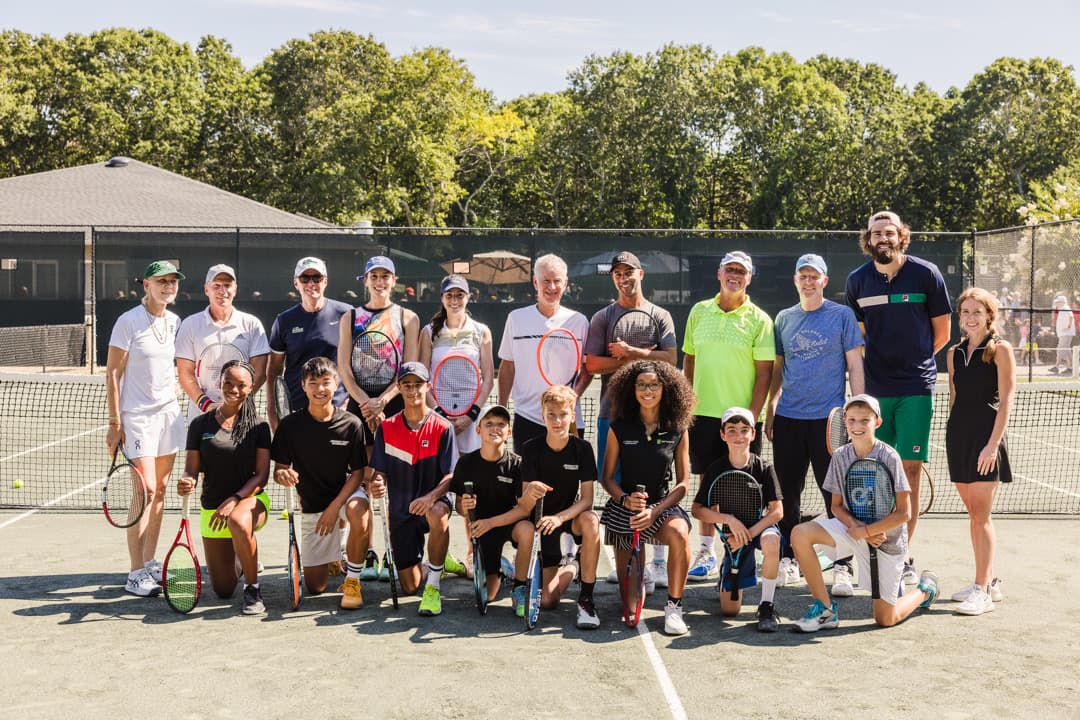
Start by naming your primary objective: social play, skill development, tournament preparation, or junior pathway. Social and recreational options prioritize fun and meeting other players through adult socials, drop-in clinics, and round-robin events that typically run weekly and cost less per session. Private lessons or small-group clinics of 3-6 players deliver focused technical work on strokes, serve and movement. Performance academies provide intensive training for tournament players with frequent sessions, match play and conditioning, often 3-6 sessions per week. Junior pathways span introductory red and orange ball classes for ages 4-9 up to UTR and ITA-focused programs for aspiring college or pro players.
Evaluate coaches by credentials and fit. Look for USPTA or PTR certification and specific experience with your age group or competitive level; high-performance players should ask about college or pro coaching history. Teaching style matters: request a trial lesson and expect a coach to explain what you will work on, why it matters, and how progress will be measured. Favor lower player-to-coach ratios for technical change, 1:1 or 1:3 groups provide the most individualized feedback. Ask for references or testimonials for junior programs and adult clinics.
Understand what each program format delivers. Private lessons are fastest for targeted fixes such as serve mechanics or match strategy. Semi-private lessons with 2-3 players offer more court time than larger clinics at a lower cost than private sessions. Group clinics of 4-8 players emphasize drills, live-ball patterns and fitness while carded performance programs include multi-hour daily training plus strength and tournament scheduling support. Team and high school prep clinics ramp up around school seasons with doubles tactics and match play emphasis.
Where you train matters in the Hamptons. Structured lessons are common at private clubs and country clubs, municipal programs and public community courts, private academies that travel to homes, and indoor facilities such as bubbles for winter work. Summer brings the widest availability of guest pros and multi-day camps; book months ahead. Fall and winter shift to indoor technical blocks with limited quality court time, so secure off-peak hours or join mailing lists in late winter for spring schedules.
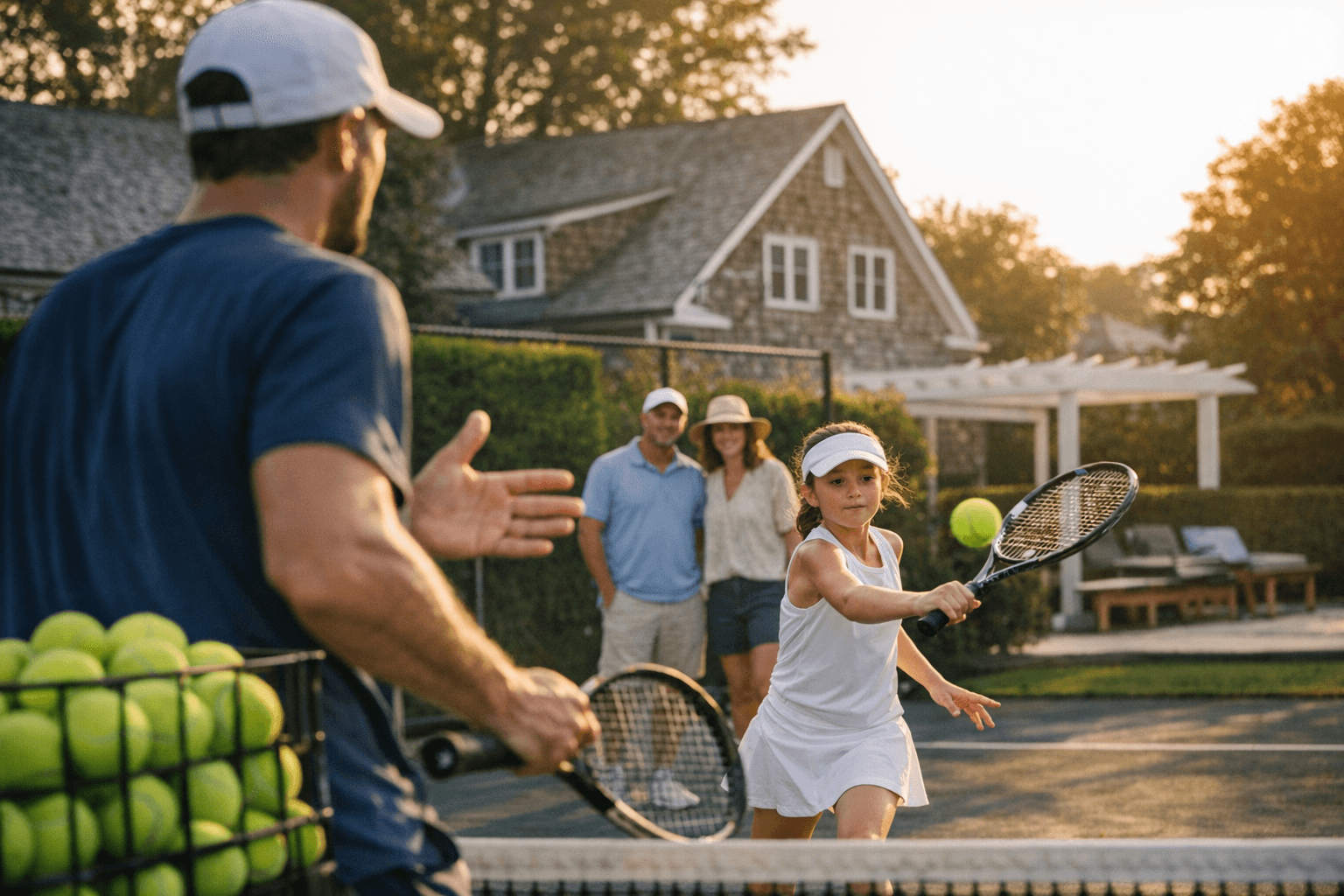
Practical booking tips: request a trial lesson, consider lesson packages to lower per-session cost, clarify cancellation and rescheduling policies, and confirm court or guest fees. For safety and etiquette, warm up and hydrate, wear surface-appropriate non-marking court shoes, and follow club rules. Vet coaches by checking insurance, background checks for junior work, and first-aid certification; request short video clips if you cannot observe in person.
Before committing, make sure a trial lesson is scheduled, pricing and package terms are clear, court fees are known, the program aligns with goals and availability, and the coach has provided references or a demo. In a seasonal, high-demand market that mixes private courts and boutique operations, planning ahead will make your Hamptons court time more effective and enjoyable.
Know something we missed? Have a correction or additional information?
Submit a Tip