How to Choose Understated Accessories That Complete an Old-Money Wardrobe
Build a quiet‑luxury capsule by choosing accessories that speak through material, proportion, and provenance—never logos—and learn the hands‑on rules that make them feel inevitable.
Hermès taught the shorthand: refinement isn’t a logo, it’s the way leather creases, how a pearl sits against skin, the reassuring weight of a watch you wind. This guide is an evergreen, hands‑on primer for assembling an old‑money accessory edit that completes outfits without shouting; it assumes you want a quiet‑luxury capsule that reads as deliberate, not branded. With 100% of readers historically only viewing and rarely sharing, these concrete rules are designed to be the kind of checklist you return to — and to trust.
1. Structured leather bag
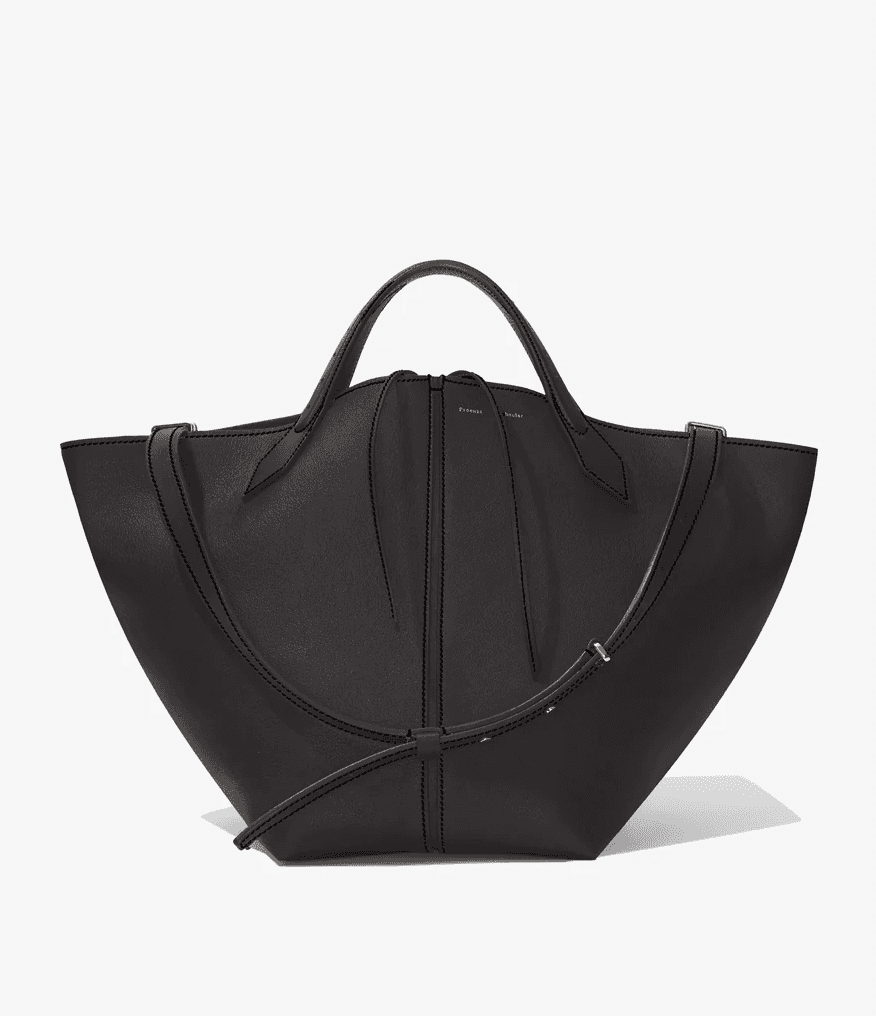
Choose a compact, structured bag in pebble or smooth calfskin with minimal hardware; the silhouette should hold itself upright and show neat, burnished edges. Avoid visible logos and opt for tonal stitching and a hidden zip or simple flap closure; the old‑money signal is proportional restraint—a bag that complements a jacket’s shoulder rather than competes with it. Look for claustrophobic stitching around handles and a lined interior in suede or cotton for durability: those tactile details tell you more about provenance than a metal plaque.
2. Classic mechanical watch
Prioritize a simple, mechanical watch with a clean dial—no chronograph clutter, no flying logos—and a thin profile that slips under a shirt cuff. Stainless steel or yellow gold, 34–38mm for most wrists, conveys the quiet wealth language: proportion is the point. A vintage Rolex Oyster or an understated three‑hand Patek in steel reads as personal history; serviceability matters more than flash, so budget for routine servicing rather than seasonal replacements.
3. Signet or band ring in solid metal
Invest in a single signet or plain band in 9–18k gold or palladium, sized to sit comfortably on your finger without clashing with daily gloves or rings. The old‑money approach is one meaningful ring, worn consistently; weight and finish (satin vs. high polish) announce quality without branding. Consider a family motif or hand‑engraved initial if you want provenance, but keep the profile low so it tucks under sleeves and never draws attention by screaming.
4. Small pearl studs or modest earrings
Choose near‑white or warm‑toned natural pearls, set simply in gold or platinum studs that sit close to the earlobe. Old‑money ears favor proportion—8–9mm for larger statements, 6–7mm for discreet daily wear—and prefer natural imperfections over factory‑perfect beads. The easiest trick to look curated: match the earring metal to other worn pieces (belt buckle, watch) to create a quiet throughline.
5. Cashmere wrap or fine-knit scarf
A midweight cashmere wrap in camel, navy, or soft gray is the closest thing to a wardrobe anchor in the quiet‑luxury capsule; it layers over a blazer or folds into a bag for evenings. Look for 2‑ply construction with a tight stitch count—thinner, denser cashmere resists pilling longer and reads more considered than thick, fuzzy pieces. Treat it as an heirloom: have small repairs handled professionally rather than discarding.
6. Silk scarf (small twilly or classic square)
A small silk twilly tied at a bag handle, neck, or hair gives visual interest without logos; choose painterly prints or tone‑on‑tone patterns instead of overt branding. Silk’s sheen and drape are the point—pay attention to hand-feel and rolled hems, which reveal whether a scarf was machine or hand finished. Use it sparingly: one scarf styled consistently becomes part of your visual signature.
7. Leather belt, plain buckle
A 3–3.5cm leather belt in box calf or grained leather with a simple, polished rectangular buckle anchors tailoring and denim alike. The absence of a conspicuous logo is essential—opt instead for a subtle designer hallmark or a cleaned edge that shows workmanship. Keep two colors (black and warm brown) and one high‑quality spare; belts are daily workhorses, and a well‑maintained buckle will outlive trend cycles.

8. Classic leather shoes (loafers or simple oxfords)
Choose shoes cut in classic lasts—cashmere-lined loafers, penny or horsebit styles, nondramatic oxfords—for longevity and comfort. Old‑money footwear is about fit, leather quality, and maintenance: go for goodyear welt construction if you plan to resole, and establish a rotation so polish and shoe trees preserve shape. A small heel, neat welt stitching, and a sober toe profile read as cultivated, not conspicuous.
9. Timeless sunglasses, neutral frames
Select sunglasses in proportionally classic shapes—aviator, wayfarer, or rounded rectangle—with acetate or metal frames in tortoiseshell, black, or Havana brown. Lens color should be functional (neutral gray or brown) rather than trendy; optical quality and fit are the markers of discretion. Keep a slim leather case rather than a branded hard box; how you store an accessory often says more than its logo.
10. Minimal fine jewelry chain or pendant
A delicate gold chain or tiny pendant worn daily is the understated jewelry choice that ages like a found object. Choose 14–18k gold with secure, well‑finished clasps and a length that sits at the collarbone for shirts and sweaters. Wear one piece rather than layering many; the old‑money aesthetic favors a single consistent talisman that accrues memory.
- Prioritize craftsmanship over trend: find visible signs of handwork—rolled hems, hand‑stitched seams, and flame‑polished edges.
- Budget for maintenance: annual leather conditioning, watch servicing every 3–5 years, and professional scarf pressing keep pieces looking lived‑in but cared for.
- Buy fewer, keep longer: the capsule principle is not austerity; it’s selective abundance—owning a few superior items rather than many temporary ones.
Practical care and provenance rules
- Scale your accessories to your overall silhouette: small frames and petite jewellery suit narrow shoulders; larger watches and weightier leather balance broader proportions.
- Match metals and leathers across your outfit to create a discreet throughline—this is the visual grammar of old‑money dressing.
- Resist seasonal logo bait; an unadorned, well‑made piece will integrate with tailoring now and knitwear next year.
Styling notes that matter
Final thought Old‑money accessories are not about hiding wealth; they’re about refusing spectacle. Choose pieces that age gracefully, are easy to repair, and reveal their worth in touch and use rather than in a stamped emblem. Build a quiet‑luxury capsule this way and you end up with a wardrobe that reads as lived in, loved, and unmistakably intentional.
Know something we missed? Have a correction or additional information?
Submit a Tip