How to Find Local Cold-Plunge and Ice-Bath Meetups in Cities
Learn practical, step-by-step ways to find and join local cold-plunge and ice-bath meetups in cities, plus safety, etiquette, and how to start your own group.
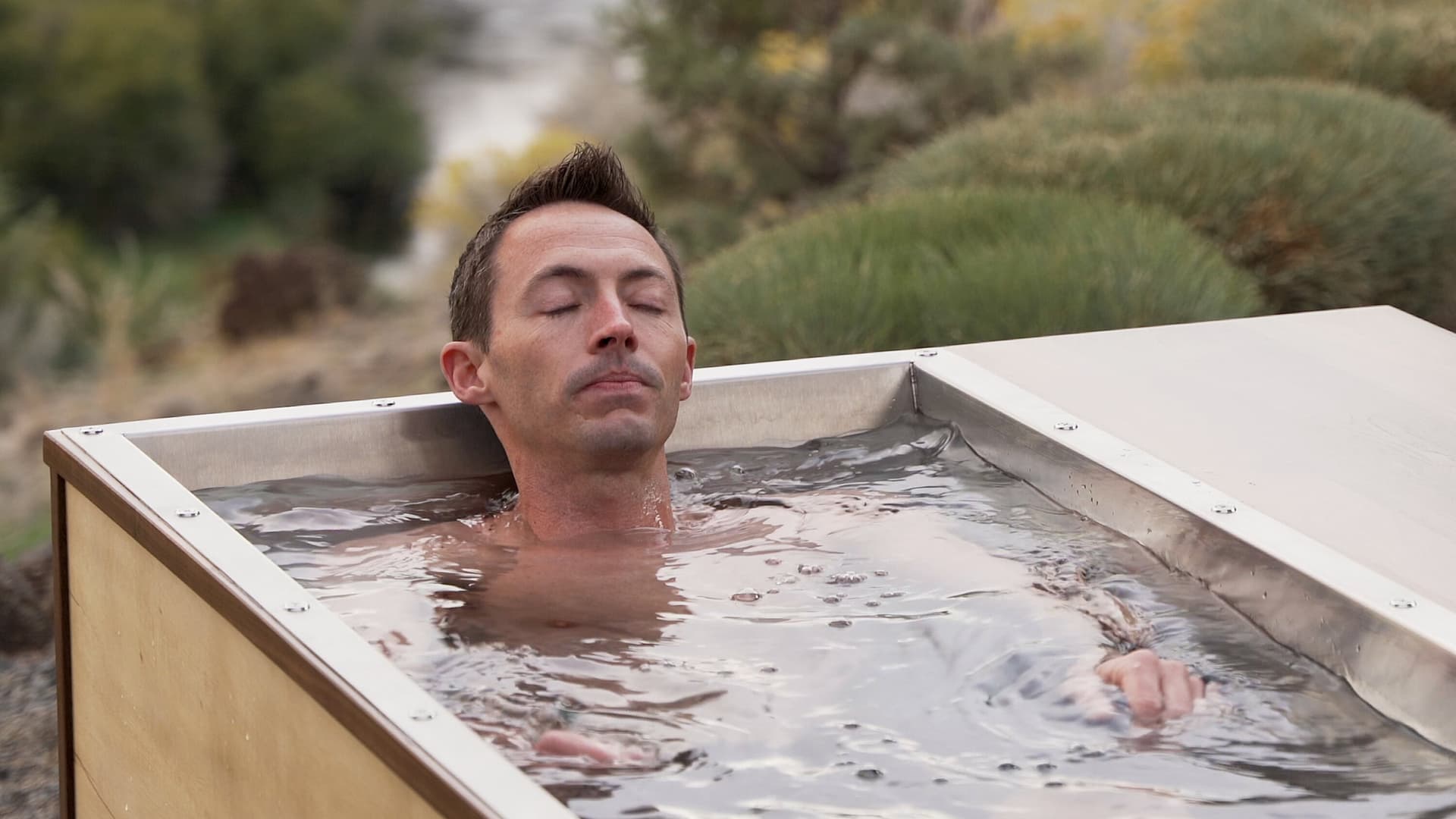
Cold-plunge culture grows in fits of steam and shivers, finding a local meetup is part sleuthing, part socializing. Below are clear, city-focused strategies you can use to locate gatherings, plug into the community, and even create your own regular plunge.
1. Search platform hubs (Meetup, Eventbrite)
Use event-building platforms as your first port of call: search keywords like "cold plunge," "ice bath," "cold therapy," and "winter swim" and narrow by city or neighborhood. These platforms let you filter by date, recurring events, and attendee limits so you can quickly find weekly or one-off meetups and RSVP in advance. Pay attention to organizer profiles and past event photos to gauge the vibe, some meetups are highly social, others are quiet, ritual-focused dips.
2. Follow local sauna and cold-plunge studios
Many dedicated studios run their own plunge sessions, community nights, and member meetups, follow them on social feeds and sign up for their newsletters for early access and cancellations. Studios often post last-minute openings or discounted group sessions that don’t make it to larger event hubs, so an in-person chat or phone call can uncover hidden slots. Visiting a studio also helps you assess cleanliness, temperature control, and staff experience before joining a public group plunge.
3. Join social channels and monitor hashtags (#coldplunge, #icebath)
Hashtags and social channels are where local plunge crews show up and recruit, follow #coldplunge, #icebath, and city-tagged variations to catch pop-up events and hyperlocal meetups. Use Instagram and short-form video platforms to find organizers and check geotags for nearby sessions; set alerts or turn on post notifications for accounts that host consistent events. Messaging apps and live streams sometimes accompany in-person meetups, watch for pinned posts that list regular community dips and newcomer info.
4. Explore local online groups and forums
City-specific groups on social platforms and forums (local wellness groups, swimming communities, or neighborhood boards) are fertile ground for meetups that stay small and invite-only. Join relevant groups and introduce yourself, say where you’re located and what level of experience you have, to get direct invitations and inside tips on best times and public-access spots. Moderated threads often contain safety notes, meet schedules, and transportation or gear swaps that larger platforms miss.
5. Tap allied fitness and outdoor communities
Cold plunges often attract runners, open-water swimmers, triathletes, sauna fans, and yoga practitioners, ask in those communities for local leads. Coaches, club captains, and lifeguards frequently know informal groups or seasonal lake/river dips that aren’t advertised widely. Cross-post a short message in club chats or bulletin boards offering to join a training-friendly plunge, you’ll likely find a meet that matches your intensity and safety needs.
6. Check local event calendars and wellness newsletters
Municipal event listings, neighborhood newsletters, and wellness blogs sometimes list recurring wellness nights or seasonal plunge events connected to festivals, parks programming, or studio collaborations. These calendars are useful for one-off plunges tied to larger events (e.g., polar plunges) and can point you toward community-friendly, often charity-driven meets. Sign up for city and studio newsletters to avoid missing limited-capacity sessions that sell out quickly.
7. Use messaging apps and chat channels (Discord, Telegram, local Slack)
Many plunge communities coordinate through private or semi-private chat platforms where they post last-minute meetups, temperature reports, and logistics. Ask organizers or studio staff which chat channels they use; joining these channels gets you quick confirmations, ride shares, and real-time safety updates. Respect channel norms, read pinned messages and rules before posting to avoid spamming or sharing sensitive location details.
8. Understand safety, etiquette, and accessibility before you go
Show up prepared and informed: know medical contraindications, follow recommended immersion times, and use a buddy system. Etiquette matters, arrive on time, keep gear out of walkways, respect photo policies (ask before photographing), and follow the host’s instructions on entering and exiting the water. If accessibility or mobility is a concern, message hosts in advance to confirm ramps, assistance, or alternative entry points.
9. Ask in-person at pools, gyms, and coffee shops near water access
Local lifeguards, swimming instructors, and park staff often know about regular cold dips or will point you to community blackboards and flyers. Coffee shops near lakes, piers, and popular swim spots can be low-key hubs for meetup posters and word-of-mouth invites. Making a quick in-person ask builds trust and often lands faster invitations than online searches alone.
10. Start your own meetup if you can’t find one
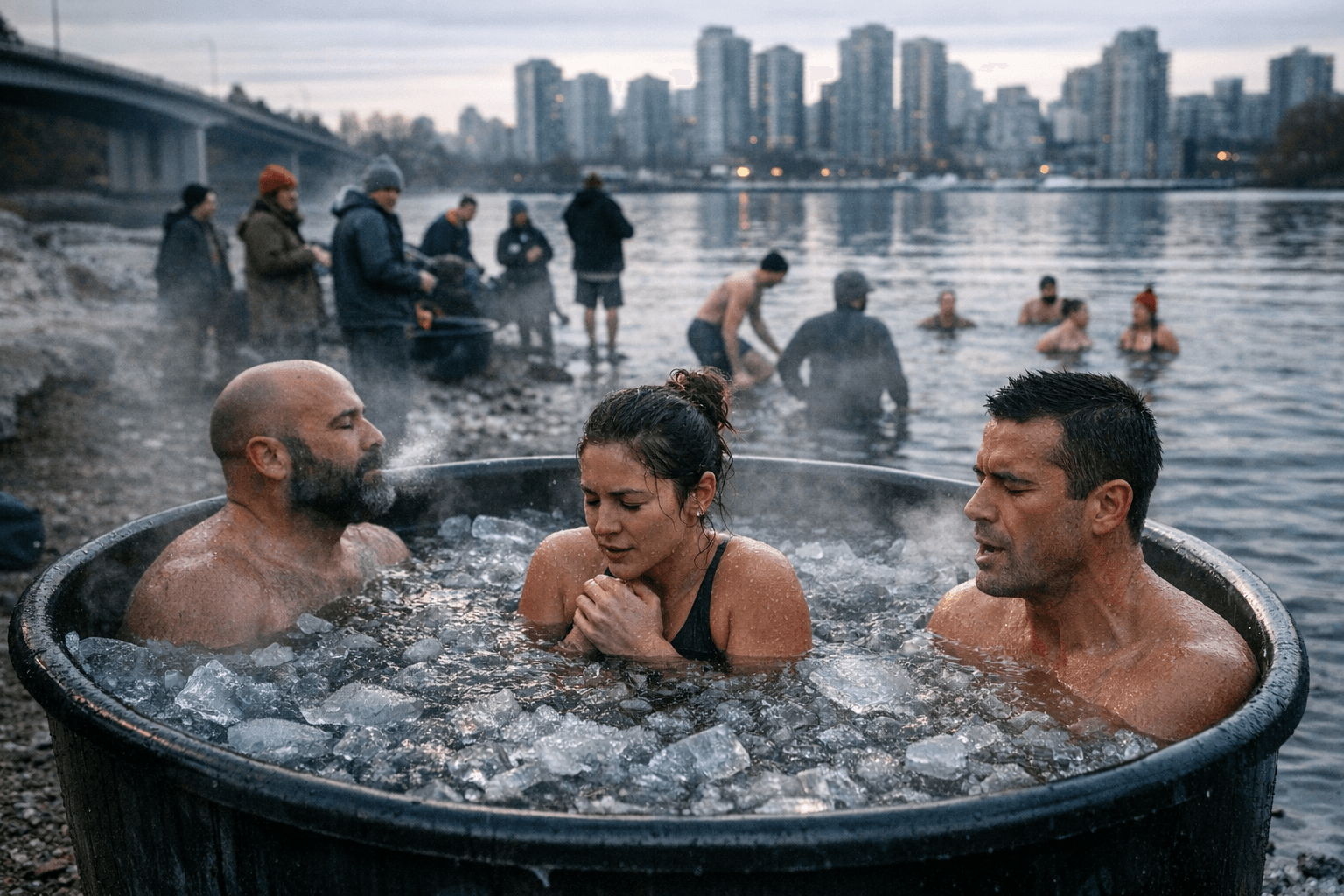
If the city scene is sparse, create a simple event listing on an event hub, post in local groups, and partner with a studio or park to host a safe, small-scale plunge. Provide clear safety guidelines, limit attendees at first, and request RSVPs so you can manage capacity; this attracts people looking for consistent, well-organized meetups. Running a meetup boosts community resilience, you’ll learn preferences, build a regular core of plungers, and can rotate co-hosts to share the load.
- Gear: bring a towel, warm change of clothes, and a hat to manage heat loss after exiting the water.
- Timing: early morning sessions are popular for ritual plunges; post-work dips often attract social groups.
- Etiquette: limit cellphone use around the water, clean up after yourself, and ask before offering physical assistance.
- Health: if you have heart issues, uncontrolled blood pressure, or are pregnant, consult your healthcare provider before joining.
Practical tips and quick checklist
Finding a local cold-plunge meetup is as much about search technique as it is about community fit. Start broad with platform hubs and hashtags, narrow in with local studios and chat channels, and don’t hesitate to ask allied clubs or start a small, safety-first group if nothing fits. The cold community is welcoming, show up curious, follow the rules, and you’ll quickly find your plunge tribe.
Know something we missed? Have a correction or additional information?
Submit a Tip