How to Identify Quality Birthstone Jewelry and Care for It
A practical, provenance-first guide to recognizing well-made birthstone jewelry and keeping it beautiful—focused on certifications, treatments, settings, and real care steps.
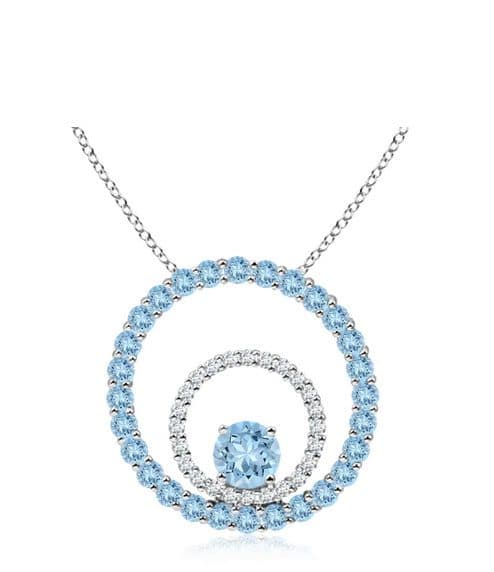
Birthstone jewelry carries more than a date; it carries meaning, material history and—if you look closely—a trail of choices that determine value and longevity. Because this is written as an evergreen entry, the aim is simple: give you repeatable, authoritative steps to identify quality birthstone pieces and care for them so they last a lifetime.
What makes a birthstone "quality" Quality begins with the stone. For colored gems evaluate color, clarity, cut and carat weight in that order: a richly saturated color with even tone usually commands the highest value, while clarity matters more for stones where transparency defines beauty (sapphires, aquamarines) than for stones where inclusions are expected (emeralds). For diamonds and corundum (sapphire and ruby), insist on a proper grading or identification report—lab reports quantify color, clarity and measurements and are the technical backbone of pricing and resale.
Equally important are disclosed treatments. Heat treatment is common and acceptable for many stones when disclosed; fracture-filling, diffusion treatments, or dyeing substantially affect value and require clear written disclosure. Ask the seller for written documentation of any treatments and for the gemological report number when available.
Certifications and provenance to look for A strong provenance trail includes independent gem reports and recognized sustainability or origin certifications. For gemstones, look for laboratory reports from established laboratories that provide identification and treatment disclosure; for diamonds, documentation of chain-of-custody such as Kimberley Process information is expected. For metal and sourcing, seek hallmarks (for example 750 for 18k gold, 585 for 14k) and claims backed by standards like Fairmined or Fairtrade for responsibly sourced gold, and membership in organizations that require auditing and supply-chain transparency.
Vague green claims are common. If a retailer uses words like "sustainably sourced" without a certificate or a clear traceability chain, treat that as an unanswered question rather than a selling point. As a rule, demand written proof—an assay, a lab report, or a traceability number—before accepting ethical claims at face value.
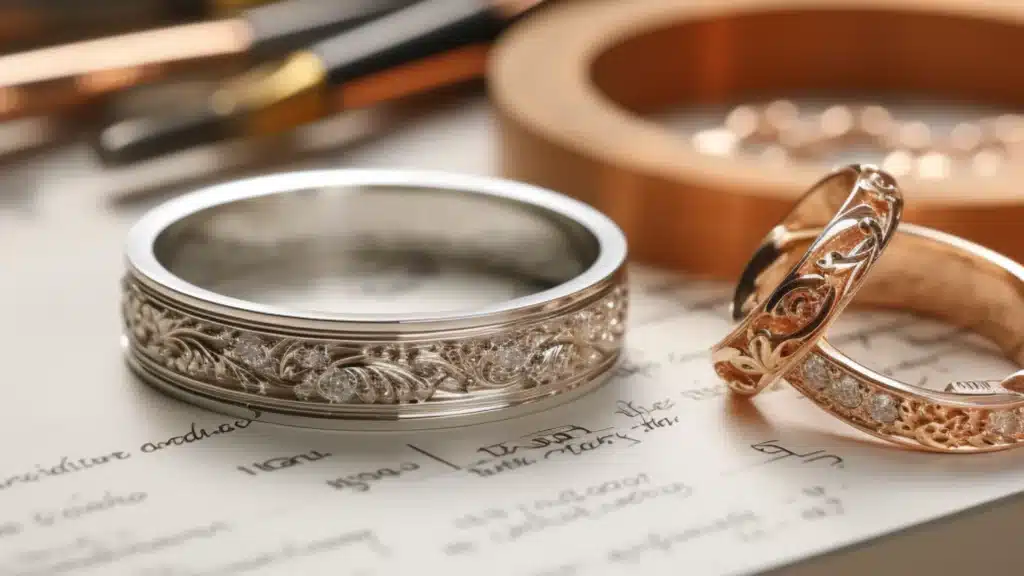
Materials and settings that endure Metals and setting styles shape both wearability and repairability. Solid 14k or 18k gold and platinum are durable and repairable; vermeil and gold-plated bases will wear and require replating. Check for a clear hallmark and for soldered joints on rings and clasps; a thin chain attached by a soldered jump ring and a sturdy clasp (lobster or spring ring with a safety) is a sign of good construction.
Settings matter for protection. Bezel settings protect softer or faceted stones from knocks; prong settings allow light but should show evenly spaced, well-burnished prongs with no gaps between the prong tips and stone girdle. Pavé should show consistent bead size and secure stones—loose pavé is a sign the piece was rushed or skimped on labor.
Durability by stone: practical notes Not all birthstones tolerate the same treatment. The Mohs hardness scale gives a quick guide to scratch resistance: diamond (10) and corundum—sapphire and ruby (9)—are among the hardest; topaz and aquamarine sit around 8; emeralds sit near 7.5–8 but are often brittle due to inclusions; pearls and opals are soft (around 2.5–6) and require special handling. Use this information when choosing a setting and planning wear—everyday rings suit diamonds, sapphires and rubies; softer stones are better as pendants or worn less frequently.
Lab-grown versus natural stones Lab-grown stones can be chemically, optically and physically identical to their natural counterparts, often at a lower price. That makes lab-grown options attractive for larger or more colorful stones, provided the piece is clearly labeled as lab-grown. Natural stones with documented origin and appropriate lab reports retain different market characteristics; for heirloom intent or collectors, natural, certified stones will generally be worth a premium.
- Look for hallmarks and any lab report numbers stamped or supplied.
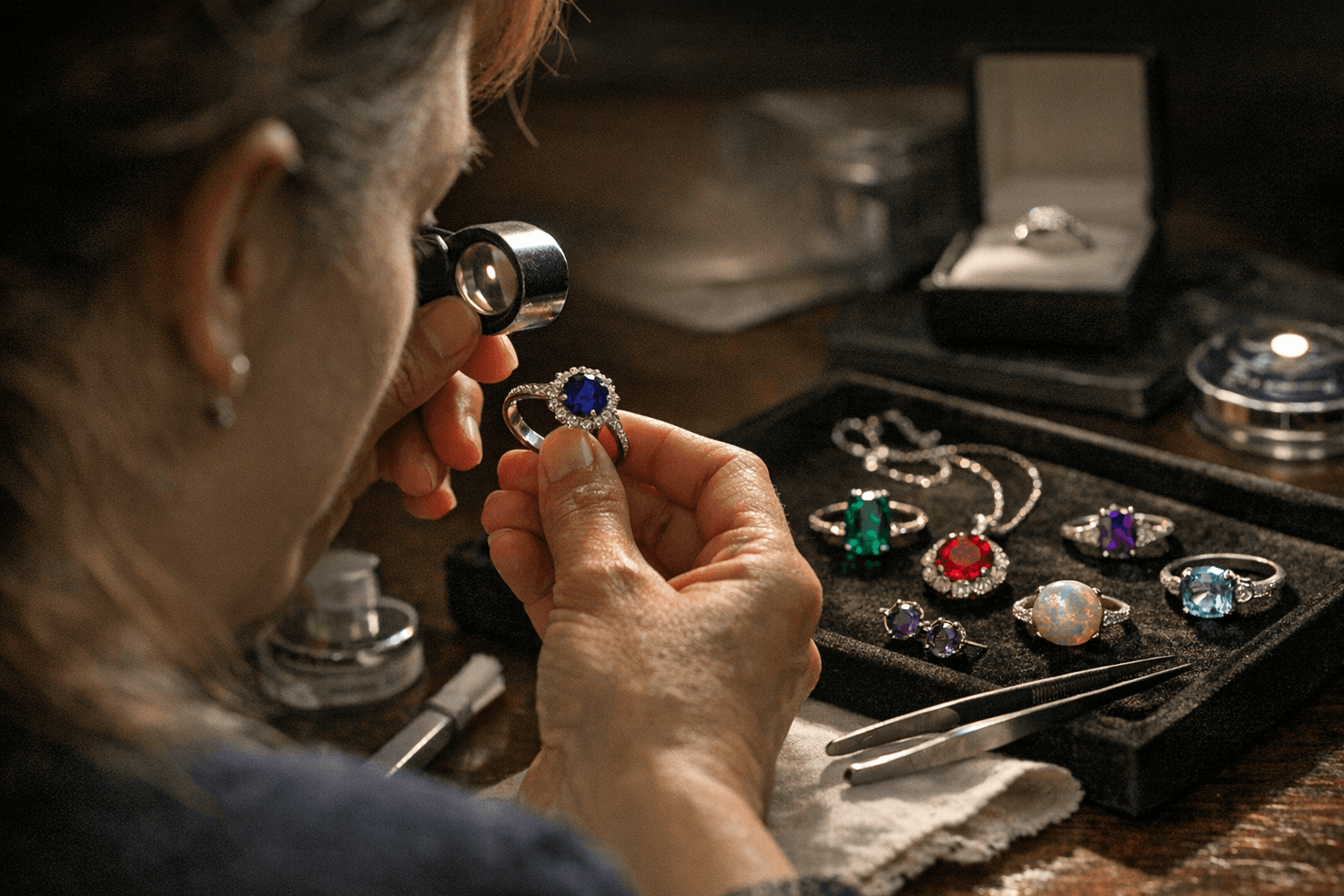
- Examine the setting with a jeweler's loupe if possible—prongs should be symmetrical and secure; there should be no adhesive residue in the seat.
- Evaluate color across the stone at different angles; uneven color or a halo of dark color at the girdle can signal lower-quality cutting or treatment.
- For clasps and chains, tug gently—soldered links and secure spring mechanisms are non-negotiable for everyday wear.
Inspecting a piece before purchase
When you have the piece in hand or on a trusted video call, follow a short inspection routine:
- For diamonds, sapphires and rubies: warm water with mild dish soap and a soft brush is safe; ultrasonic cleaners are generally acceptable for untreated stones but check before use.
- For opals, pearls and many treated or porous stones: avoid ultrasonic cleaners and steam; wipe with a soft, damp cloth and avoid immersion in household chemicals.
- For rings worn daily: have prongs inspected annually and re-tipped or tightened if any movement is detected.
Care, cleaning and routine maintenance
Cleaning and care depend on the stone:
Store pieces separately in soft pouches or compartments to avoid abrasion between stones and metals. For high-value birthstone pieces, document the purchase with photos and keep lab reports and receipts in a secure place—these are essential for insurance and resale.
Appraisals, insurance and resale considerations If a piece carries a laboratory report and clear provenance, that documentation should be part of any appraisal. Reappraise high-value items every three to five years; market conditions and metal prices change. For insurance, replacement-value appraisals conducted by a qualified appraiser should reference the gem report number and list treatments and origin claims; insurers will typically ask for such documentation.
Final considerations: beauty without compromise A quality birthstone piece balances aesthetic pleasure with technical transparency: a well-cut sapphire set in 18k gold with a lab report and clear treatment disclosure is fundamentally different from an indistinctly described stone with no paperwork. Because this is intended as an evergreen guide, these core checks—certificates, hallmarks, disclosed treatments, construction quality and appropriate care—will serve you regardless of trends or new collections. Demand that clarity, and your birthstone will stay both beautiful and honest for years to come.
Know something we missed? Have a correction or additional information?
Submit a Tip