How to manage panic attacks while traveling with severe anxiety
Panic in transit is not random, and that matters. With the right plan, the booking screen, security line, cabin door, and arrival can all become more manageable.
What panic is, and why travel can intensify it
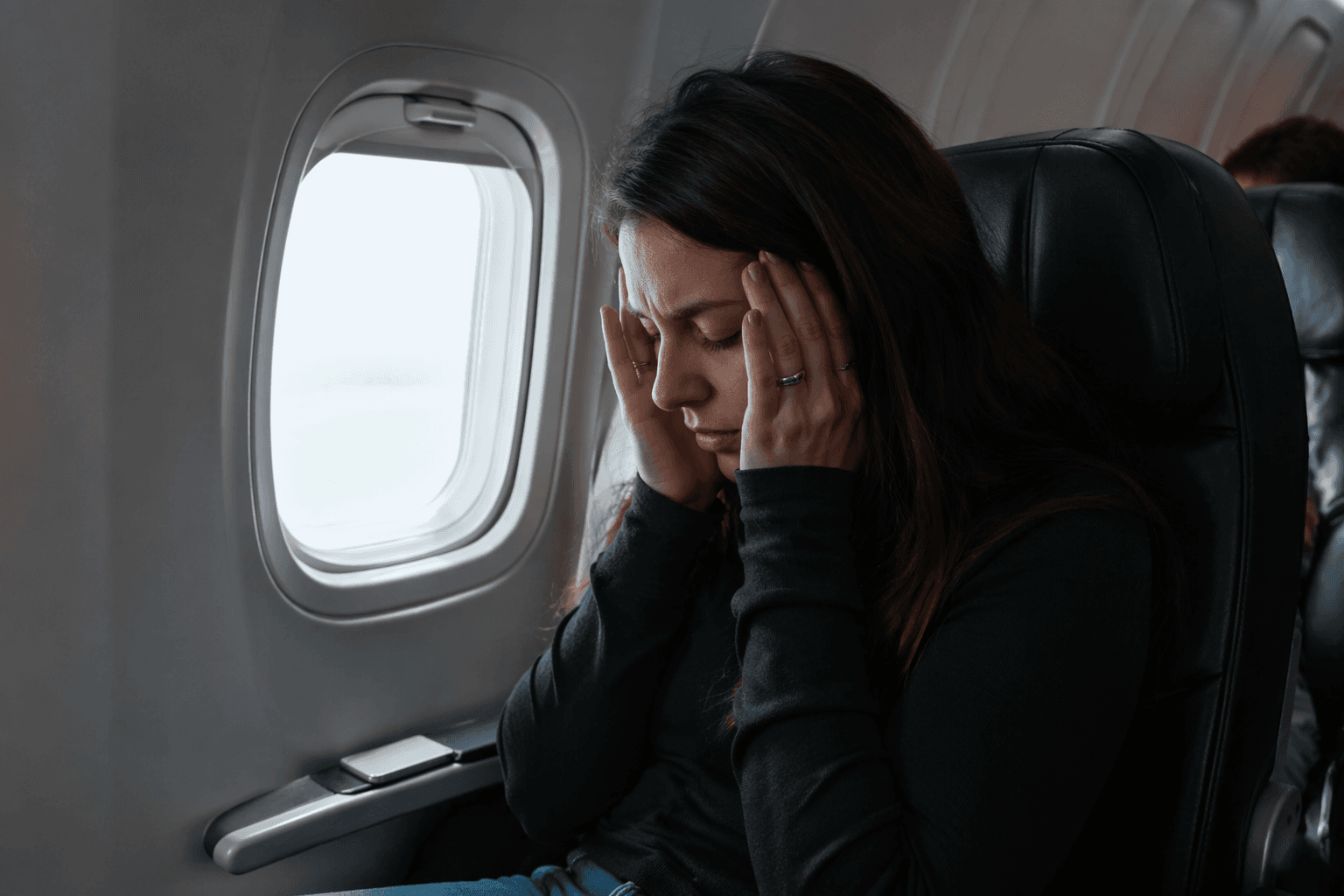
Panic attacks can hit fast and hard: a racing heart, sweating, trembling, shortness of breath, dizziness, weakness, chest pain, nausea, and a feeling of impending doom can all show up together. The National Institute of Mental Health says an attack can last from a few minutes to an hour or sometimes longer, which is one reason travel can feel so overwhelming when your body is locked in alarm mode.
Panic disorder is more than isolated episodes. It involves repeated panic attacks and ongoing fear of having more, and the National Institute of Mental Health estimates that 2.7% of U.S. adults had panic disorder in the past year. Anxiety disorders overall are the most common mental disorders in the United States, and the American Psychological Association notes that anxiety is a future-oriented response to a diffuse threat, while fear is a short-lived response to a specific threat. That distinction matters on a trip, because the uncertainty of travel can keep the threat feeling everywhere at once.
1. Before you book, make the trip less ambiguous
The most effective travel plan starts before you buy the ticket. If panic is already affecting daily life, work with a therapist or counselor first so you can identify triggers, practice coping strategies, and decide what kinds of delays or crowding you can tolerate. Treatment matters because panic disorder can become disabling, and exposure-based approaches and cognitive behavioral therapy are designed to reduce avoidance instead of reinforcing it.
When you are choosing a trip, think in terms of predictability. Fewer connections, longer layovers, and extra time on each end can lower the pressure that often makes severe anxiety spike. This is also the stage to assemble practical supports: a medication plan if you use one, a list of emergency contacts, and a written reminder that a panic surge, while miserable, does peak and pass.
A few pre-trip habits can make the rest of the timeline easier:
- Map out the hardest moments in advance, especially security, boarding, and takeoff.
- Practice the same breathing or grounding routine before the trip that you plan to use during it.
- Keep medications and other essentials packed where you can reach them quickly.
- Tell a trusted companion, if you are traveling with one, what panic looks like for you and what helps.
2. At the airport, turn the unknown into a checklist
Airports are a common trigger because they combine crowds, noise, time pressure, and procedures you cannot fully control. The Transportation Security Administration screens more than 2 million passengers every day at nearly 440 airports nationwide, so the security line is often the first place where a nervous system can go into overdrive. TSA Cares offers guidance for travelers with disabilities and medical conditions at security checkpoints, and TSA travel tips cover screening procedures, packing, and special items such as medications.
That matters for panic management because the less you have to improvise, the less fuel anxiety gets. Pack medications in the bag you will keep with you, not in a checked bag, and place anything you may need to explain or remove in a spot you can reach without digging. If airport screening is a known trigger, using TSA Cares ahead of time can help you know what to expect at the checkpoint rather than confronting each step as a surprise.
If panic starts building in line, narrow your focus to the next action only. Check your boarding pass, feel both feet on the floor, and keep your attention on one anchor, such as the texture of your bag strap or the count of your breaths. The goal is not to erase anxiety instantly, but to stop it from becoming a second emergency on top of the actual one.
3. At boarding, protect yourself from the rush
Boarding often brings a fresh wave of panic because the environment compresses. The gate area gets louder, people move faster, and the sense of being trapped can rise sharply when the line starts moving. This is where preparation pays off, because a body already on high alert is less likely to respond well to last-minute decisions.
Use the information you collected before the trip. If you know you do better with structure, arrive at the gate early enough to settle before boarding begins. If you need extra assistance because of a medical condition or disability, coordinate that support before you are standing in the crowd, not after the line has formed. The more predictable the transition from gate to seat, the less room there is for the kind of diffuse fear the American Psychological Association describes.
A simple boarding script can help:
1. Check your documents and keep them in the same pocket or bag slot every time.
2. Take a slow breath before you stand up.
3. Walk through the process one step at a time, not all at once.
4. Once seated, name three things you can see, hear, or feel to reorient yourself.
4. In flight, treat panic like a wave instead of a verdict
The cabin is a difficult place for someone with severe anxiety because there is no easy exit, and bodily sensations can become part of the fear. Shortness of breath, chest tightness, dizziness, and nausea can feel especially alarming once the plane is airborne. Knowing that a panic attack can last from minutes to an hour or longer can keep you from assuming that every intense minute means the whole flight is lost.
This is where exposure-based treatment has an especially practical meaning. APA reporting in 2025 said roughly 75% of patients in one study boarded their first post-treatment flight after exposure and cognitive behavioral treatment, which suggests that practice and repetition can change what once felt impossible. In other words, the cabin does not have to stay a permanent no-go zone if treatment helps you build tolerance to the sensations and the setting.
If distress rises midflight, return to basics. Sip water if you have it, loosen your shoulders, and ground yourself in the physical facts of the moment. Remind yourself that panic is intense but not the same thing as danger, and that the body’s alarm system can be loud without being accurate.
5. After landing, keep the crash after the storm from becoming a second spiral
Arrival can bring relief, but it can also bring a rebound. Once the plane lands and the immediate pressure drops, you may suddenly notice how exhausted your body is from holding tension for hours. Give yourself time before the next obligation, because rushing straight into the rest of the day can turn post-flight fatigue into another anxiety spike.
A calm arrival plan should include food, water, and a buffer before any major decision or meeting. If you have a history of avoiding places where attacks happened before, which can be part of panic disorder, this is the moment to notice whether the trip reinforced avoidance or gave you evidence that the worst moments can be endured and reduced. Even a difficult flight can become useful data if you and a therapist use it to refine the next plan.
Severe anxiety does not have to decide the size of your life. With treatment, preparation, and a travel plan built around the stages where panic is most likely to flare, the trip becomes less about survival and more about managing the body’s alarm with skill, structure, and support.
This article was produced by Prism’s automated news system from verified source data, official records, and press releases, then run through automated quality and moderation checks before publishing. The system is built and supervised by the people who set the standards it runs under. Read our full AI policy.
Did this article answer your question?