How to pick the perfect pickleball retreat: practical checklist
A practical guide for players comparing pickleball retreats, covering coaching, logistics, packing, and pricing to help you book with confidence.
Booking a pickleball retreat should accelerate your game, not drain your vacation time. The single best planning move is to decide your primary goal up front: are you chasing skill gains, social play, or wellness and recovery? That choice steers everything from coach credentials to daily schedules and what to pack.
If skill development is the priority, look for retreats that publish coach credentials and a clear daily curriculum. Check for PPR or PTR certifications or experience with PPA/APP tours, coach-to-player ratios, and explicit schedules that include warm-ups, technique sessions, drills, match play, and video review. Aim for a ratio near 1:6 to 1:10 for meaningful feedback; 1:12 or higher usually signals a friendlier, less individualized program.
For social or fitness-focused escapes, prioritize lots of open play, round-robins, mixers, and evening social programming such as welcome dinners or on-site lounges. If wellness and relaxation are the draw, confirm the retreat pairs pickleball with spa services, yoga, physical therapy, or guided recovery sessions so you don’t come home more beat up than when you arrived.
Group size and leveling matter more than many realize. Small groups of 12–24 deliver tailored instruction and a stronger community feel. Make sure the organizer groups players by skill on arrival using DUPR, UTR, or an organizer-run assessment to avoid constant mismatches that eat practice time.
Facilities and court surfaces affect everything from footwear to injury risk. Verify whether courts are outdoor concrete or asphalt, cushioned acrylic, or indoor Taraflex-style surfaces. For winter or rainy seasons, covered and lighted courts are essential. Extra amenities such as gyms, hot tubs, cold plunges, physical therapy spaces, and on-call trainers add value for performance-focused attendees.
Logistics are where surprises hide: confirm coached hours per day, meals, court fees, shuttles, paddle rental availability, and mandatory surcharges. Read cancellation and refund policies closely, deposits are common and many retreats offer credits toward future events rather than cash refunds. Travel support like airport transfers and local lodging partnerships makes arrival smoother.
Price versus value: weekend mini-retreats commonly range $250–$600+, weeklong all-inclusive retreats $1,200–$4,000+, and luxury or pro-level retreats can exceed $5,000. Compare coach hours, amenities, and sample schedules to judge whether the price matches the payoff.
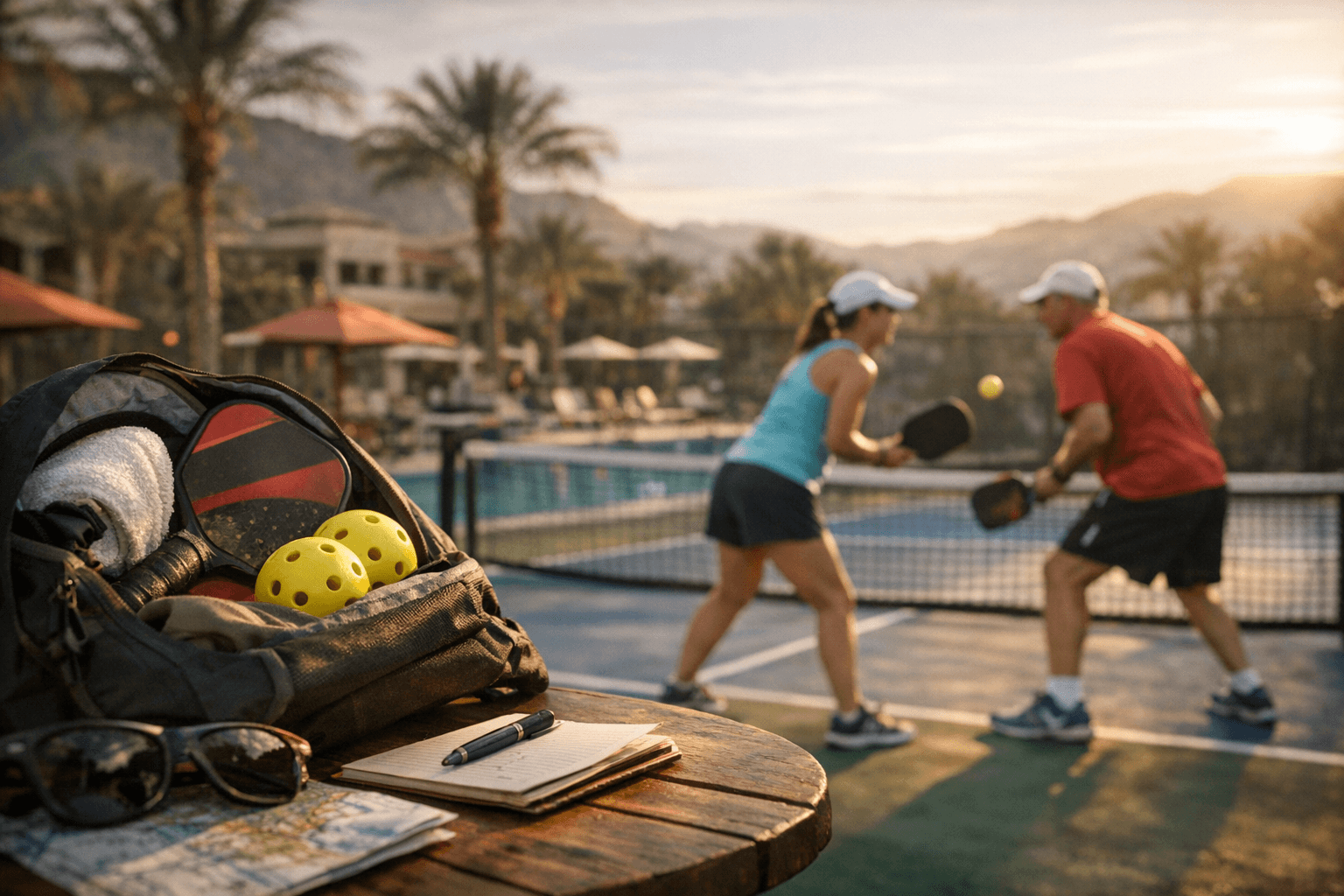
Before you hit book, run a quick five-minute test: does the retreat list coach credentials and a daily schedule, is group size capped and are players leveled, are courts covered or lighted if needed, are meals/lodging/transport included or clearly listed, and is there a clear refund or transfer policy. Pack for the court: primary and backup paddle, extra court shoes and socks, two outfits per day, hat/visor, tape or compression sleeves, overgrips, water bottle, electrolytes, and a notebook or phone for notes.
A well-run retreat compresses coaching, match play, and recovery into focused blocks that deliver measurable gains. Use the checklist, ask direct questions of organizers, and book the retreat that best matches your primary goal so you return with better dinks, smarter transition play, and more fun.
Know something we missed? Have a correction or additional information?
Submit a Tip