How to Plan a Multicultural Baby Shower That Honors Every Tradition
Blending godh bharai, stork parties, and red-envelope traditions into one celebration takes more than goodwill — it takes a framework built on consultation, logistics, and genuine cultural respect.
The single most expensive mistake a host can make when planning a multicultural baby shower is assuming good intentions are enough. Genuine cultural respect requires a framework: one that starts with conversation, builds through careful logistics, and ends with a celebration that every guest, from a grandmother who observes strict dietary laws to a cousin who speaks only Mandarin, can experience with dignity.
Start With the Parents, Not the Pinterest Board
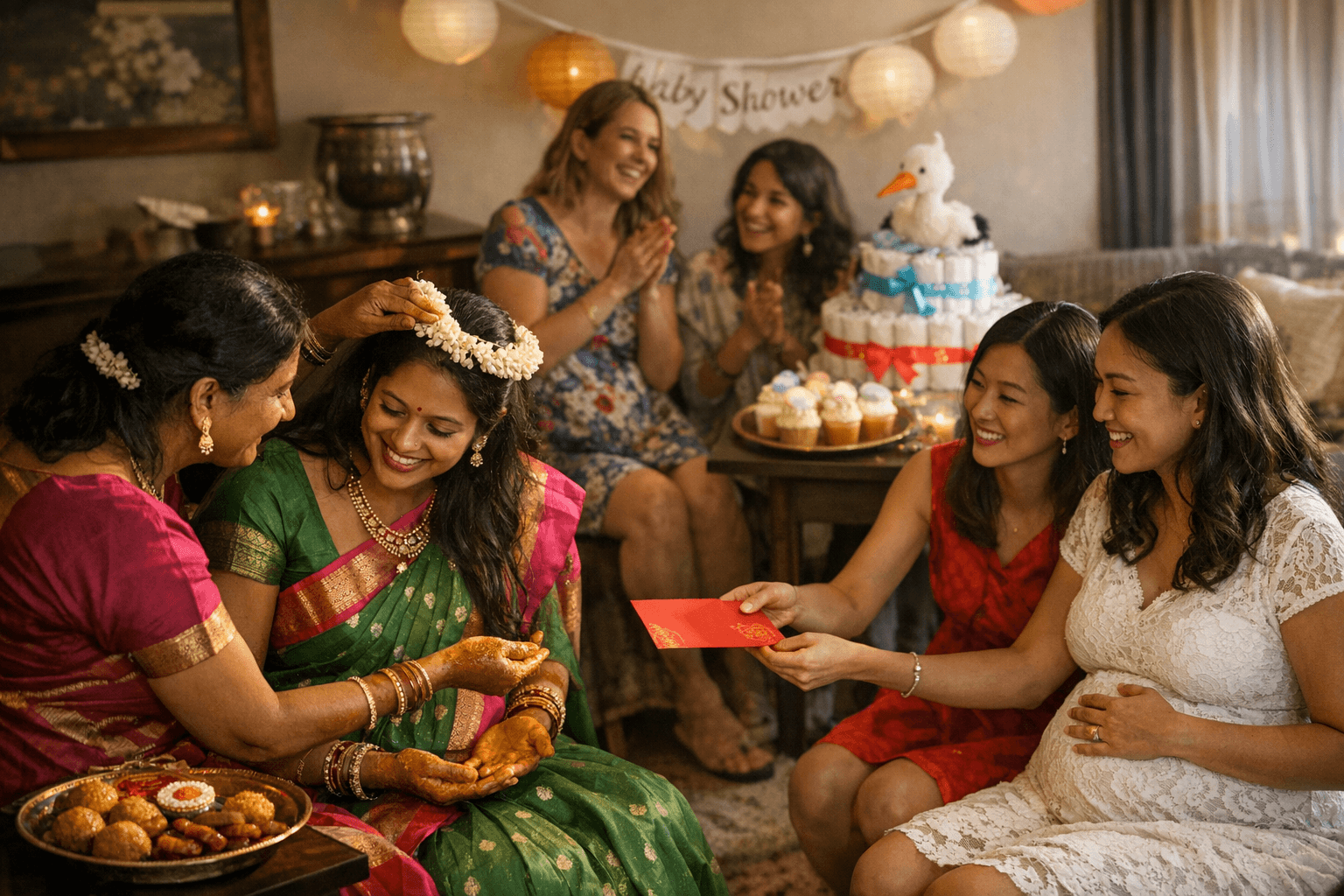
Before a single invitation goes out, sit down with the expecting parents and ask three essential questions: which cultural elements do they want included, which do they prefer to omit, and where should specific family elders or faith leaders take the lead. This is not a courtesy step; it is the architecture of everything that follows. Some families, for instance, observe a Jewish tradition of not bringing baby items into the home before birth, rooted in a belief that assuming the blessing in advance could invite misfortune or the evil eye. Others may be planning a Hindu godh bharai, a ceremony whose name translates literally to "fill the lap," traditionally held when the expectant mother is seven or eight months pregnant and centered on feasting, dancing, and gifts placed directly into her lap. These are not interchangeable celebrations, and no host should flatten them into a generic "multicultural theme" without first understanding what each practice means to the family.
Once you know which rituals matter and who holds authority over them, move to shared-calendar coordination. Blessing ceremonies, pujas, and other rituals tied to specific auspicious days require alignment with elders and any service providers involved. Build the run sheet around those fixed points, not the other way around.
Crafting Invitations That Set the Right Tone
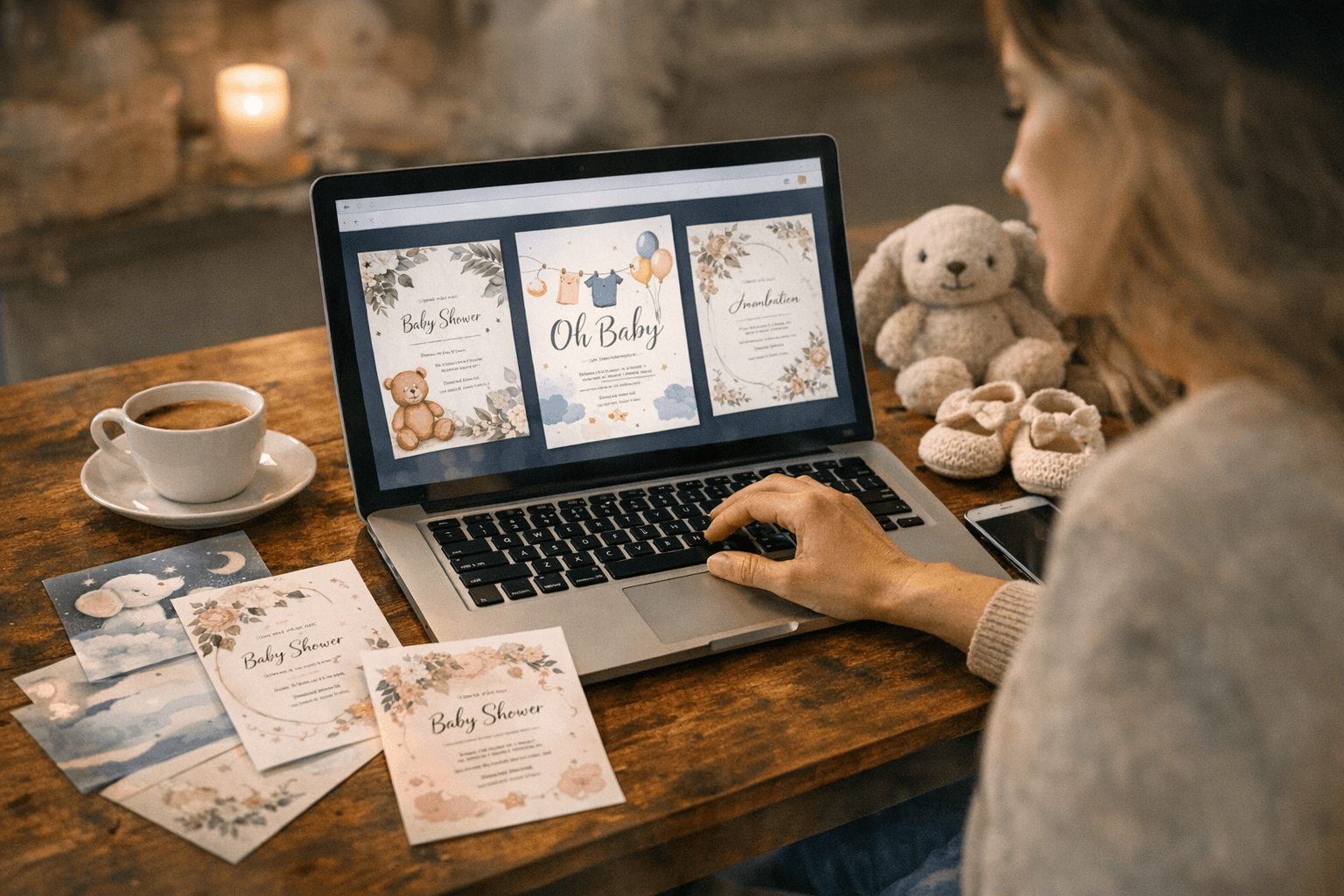
The invitation is your guests' first signal about what kind of event this will be. Use neutral, welcoming language that names the parents and describes the spirit of the gathering, something like: "An afternoon of blessing and support for the family of [Parent Names]." Make clear whether ritual participation is optional; no guest should feel obligated to take part in a faith-specific act they do not share.
Practical guidance belongs on the invitation too: dress expectations, photography preferences, and any ritual-specific notes (such as a fasting period before a ceremony). If the event draws guests who speak different primary languages, include those same details in each relevant language. A bilingual invitation signals inclusion before anyone walks through the door.
For gift guidance, add a brief "preferred gifts" note or registry section that explains any cultural considerations. In Chinese tradition, red envelopes containing money are a common and deeply meaningful gift, while certain colors or object types may be considered inauspicious in other cultures. A short, gracious note demystifies these expectations without making any guest feel they have failed a cultural exam.
Building a Ritual-Inclusive Program
The run sheet is where multicultural planning either succeeds or collapses. Designate specific time blocks for religious or cultural components and precede each one with a short, written introduction in the program so guests understand its significance. A godh bharai segment, for example, might include a puja and the presentation of sweets and fruit; guests unfamiliar with the practice benefit from a two-sentence explanation that contextualizes rather than exoticizes.
Music, prayer, and readings each deserve their own clearly marked slots. When multiple faith traditions are represented, sequence matters: avoid scheduling concurrent practices that would force guests to choose. Where possible, invite a bilingual MC or cultural liaison who can narrate transitions and field questions with warmth rather than awkwardness.
Photography consent requires explicit attention. Some cultural and religious rituals prohibit photography entirely, or restrict it to specific moments. Ask elders in advance whether photos are permitted, and then communicate that policy through both printed signage at the venue and a verbal announcement at the start of the event.
Food, Menus, and the Power of Symbolic Eating
Food is where cultural overlap is most visible and most likely to go wrong without deliberate planning. Work with caterers who have demonstrated experience with cross-cultural menus, and build the buffet around clearly labeled separate serving stations. Visual icons, such as H for halal, K for kosher, V for vegetarian, and allergen flags for nuts, gluten, and dairy, allow guests to navigate independently without having to ask a server to decode every dish.
Beyond logistics, food carries meaning. Sweets are considered auspicious at many South Asian celebrations, and the godh bharai tradition specifically includes sweets, dried fruits, and rich foods as offerings to the mother-to-be. Including a short program note explaining the significance of symbolic dishes transforms a catering decision into an act of cultural education. Guests who understand why a particular dessert is on the table are far more likely to engage with it meaningfully.
If any ritual involves fasting beforehand, communicate that expectation clearly in advance so guests arrive prepared rather than confused or hungry.
Designing Activities That Include Everyone
Traditional Western baby shower games can unintentionally center assumptions about body image, gender, or family structure. Replace "guess the belly size" with collaborative activities that produce something lasting: an advice jar where guests contribute written wisdom for the parents, a recipe-sharing station where guests write down a dish that holds family or cultural meaning, or a group art project contributing to the nursery wall. These activities generate connection across cultural lines rather than enforcing a single script.
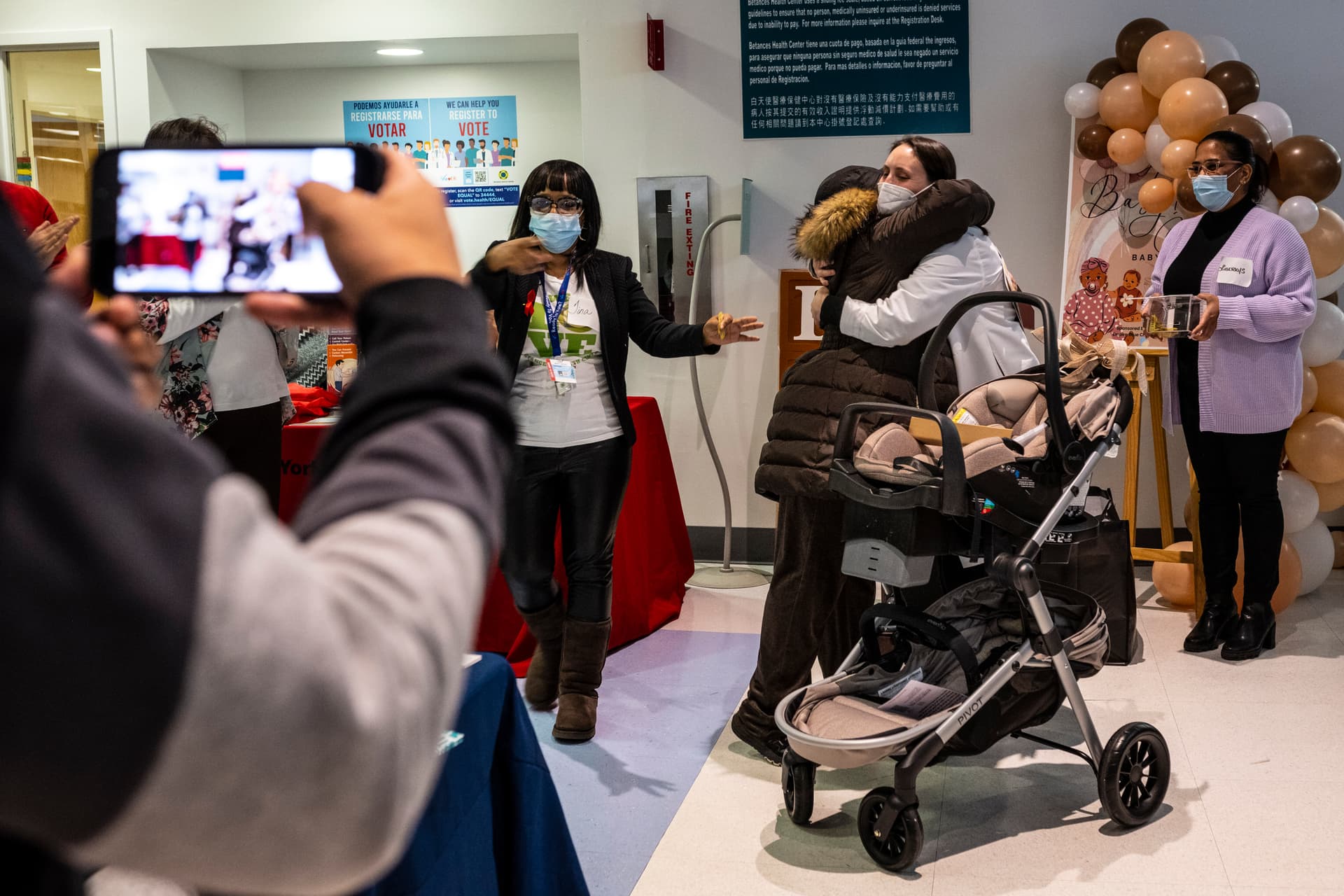
If the event includes community resource distribution, as is increasingly common at celebrations with a public health component, set up multilingual resource tables covering lactation support, immunization schedules, and safe sleep guidelines. Staff those tables with culturally competent providers who can answer questions in the relevant languages.
Logistics That Make Inclusion Real
Accessibility is not an afterthought. Designate a private, quiet room that can serve multiple functions: a space for prayer, for breastfeeding, or for any ritual that requires separation from the main gathering. Offer a "kids corner" staffed by volunteers so that parents of young children can participate fully. If multiple languages are present, provide live translation or assign bilingual volunteers to specific guests who may need support navigating the program.
After the event, follow up with the parents and any community leaders who participated. Ask directly about cultural fidelity: did the ritual segments feel authentic? Did anything feel tokenized or out of place? Track small metrics too: whether translated materials were used, whether the quiet space was occupied, whether the childcare corner reduced barriers to attendance. These details reveal whether inclusion was structural or merely decorative.
Avoiding Tokenization
The line between honoring a culture and commodifying it runs through intention and relationship. Resist the temptation to treat cultural practices as aesthetic elements: a rangoli design as "décor" without any connection to its meaning, or a hamsa as a party favor without acknowledgment of its significance. Instead, build authentic partnerships with community leaders, vendors, and artists from the cultures being represented. When cultural décor or favors are purchased, choose vendors from within those communities.
A Template Agenda for a Multicultural Baby Shower
The following structure can be adapted to fit almost any combination of traditions:
1. Arrival and welcome (30 minutes): Multilingual greeting, program distribution, guests guided to dietary stations and quiet room.
2. Opening remarks (10 minutes): Bilingual MC introduces the parents and briefly explains the cultural elements guests will experience.
3. Ritual or ceremony segment (20-30 minutes): Puja, blessing, prayer, or other designated practice, with program notes and photography guidance already communicated.
4. Shared meal (45-60 minutes): Separate labeled stations; symbolic foods explained in program.
5. Collaborative activities (30 minutes): Advice jars, recipe sharing, group art project.
6. Gift presentation (20-30 minutes): Guided by cultural protocols established in advance with the parents.
7. Closing remarks and send-off (10 minutes): MC acknowledges elders and community contributors; guests depart with culturally sourced favors.
The framework is not the celebration itself. The parents, their communities, and the relationships in the room are. Get the structure right, stay humble about what you do not know, and the rest tends to follow.
Sources:
Know something we missed? Have a correction or additional information?
Submit a Tip