How to Run International Friendly Pickleball Tournaments, Lessons from Kathmandu
Practical operational steps from the Nepal–Britain friendly in Kathmandu to help you plan an inclusive, well-run international-friendly pickleball event.
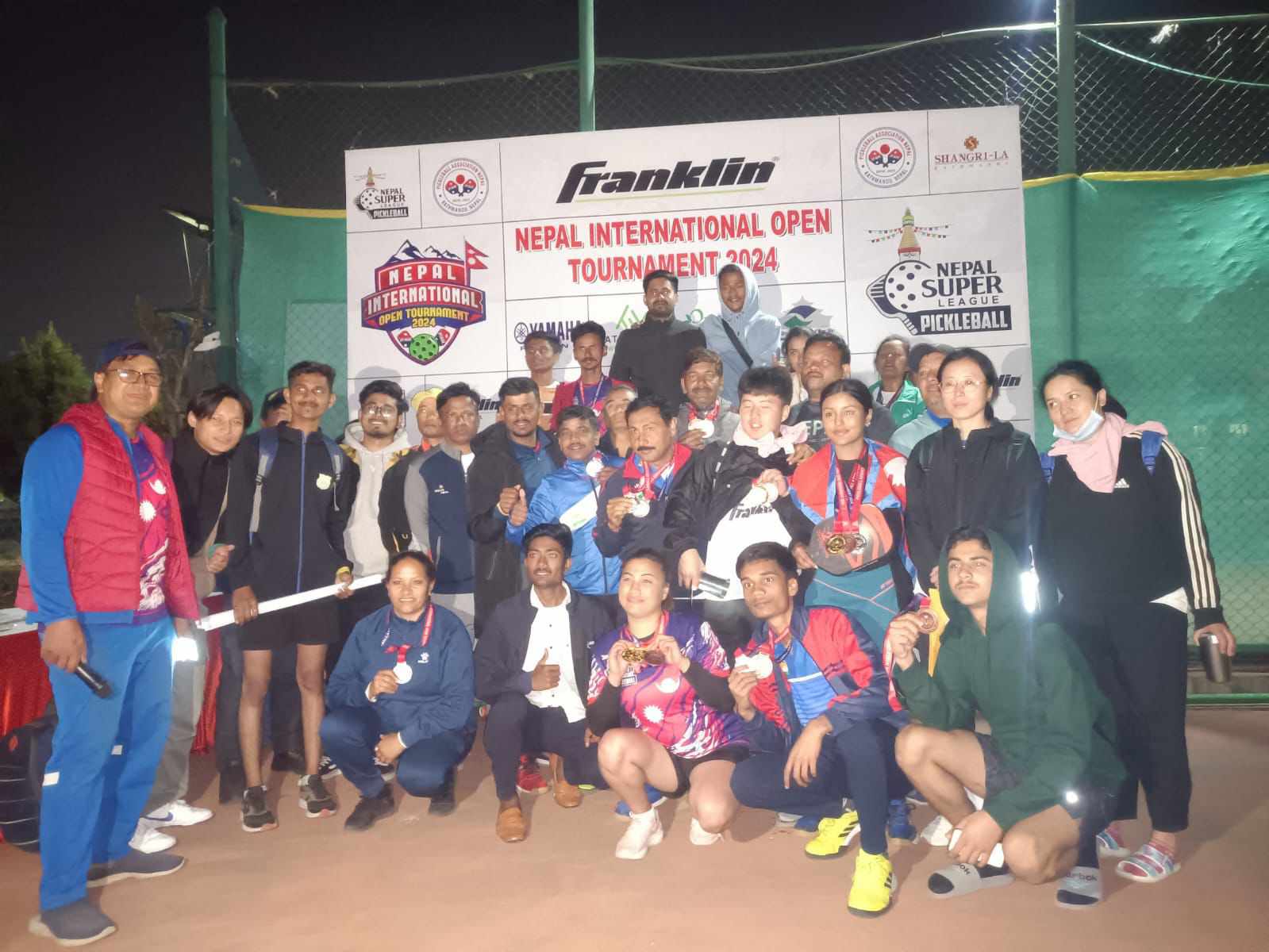
This evergreen guide distills practical operational lessons from recent international-friendly events, such as the Nepal–Britain Friendly in Kathmandu, into a detailed checklist tournament directors can use to plan an inclusive, high-quality international-friendly pickleball event. At Boomer Pickleball, we’ve seen what it takes to make a tournament run smoothly. In this guide, we’re sharing practical tips on how to organize a pickleball tournament from start to finish, so you can focus on creating a fun, well-run event that brings players back again and again.
Start with a clear goal "First, ask yourself what kind of experience you want to create. Are you: Raising money for a cause? Hosting a fun weekend event for friends? Trying to attract competitive players? The purpose behind your tournament will shape its structure, scale, and marketing." This Boomer Pickleball framework forces clarity at the outset. Define whether the Nepal–Britain style fixture you are planning emphasizes cultural exchange, high-level competition, or grassroots participation. That single decision will determine format choices, volunteer needs, sponsorship targets, and communications tone.
Set your timeline and milestones "Once you’ve established your goal, pick a date. Give yourself at least 6-8 weeks of lead time so you can plan without scrambling." A compact planning window is realistic for friendly internationals that rely on local federation cooperation and volunteer teams. Use the 6 to 8 week recommendation as a hard minimum: open registration, secure courts, confirm travel logistics for visiting delegations, and finalize sponsor offers within that window. Where visas or coordinated travel are involved, build extra buffer time and flag these as items that need follow-up verification.
Choose formats that match your crowd Boomer Pickleball’s guide signals a dedicated section called "Choose a Format that Matches Your Crowd" even though detailed format prescriptions are not in the excerpt. For an international-friendly such as the Nepal–Britain meeting in Kathmandu, weigh options between team-clash formats and individual brackets. Team clash formats amplify national identity and ceremony while pool play ensures visiting players get multiple matches. Competitive attracts ranked players and sponsors; social formats are better for local growth and cultural exchange. Document your format choice clearly in registration materials so expectations match reality.
Registration, brackets and scheduling essentials "On the day of your pickleball tournament, start with a clear checklist to make sure nothing is left behind. You’ll need printed brackets (or digital access via phones or tablets), writing supplies, and a way to keep things charged." Make printed brackets available for spectators and officials while offering a digital option for players who prefer real-time updates. Number each court and publish a running schedule that shows match lengths and warm-up windows. If the event mirrors Kathmandu’s international-friendly model, expect to coordinate multiple short-match sessions for visiting teams to balance travel fatigue and local play.
Player communications and on-site materials Welcome packets are a low-cost, high-value touch. "Welcome packets are a nice touch—they should include basic rules, match schedules, and contact info in case players have questions or need assistance." At international-friendly fixtures, include local arrival tips, practice court access, and a short code of conduct to manage cultural expectations. Kick things off with a "quick player meeting. Go over the format, scoring, etiquette, and how matches will be called." Clarity on scoring and match-calling prevents disputes and preserves the friendly intent of cross-border clashes.
Volunteers, roles and staff orientation "Make sure volunteers are in place at check-in and around the courts to keep things running." Combine that with Boomer’s operational mandate: "Set clear responsibilities ahead of time. A shared document or checklist works great for keeping everyone on the same page. Hold a short orientation before the event starts so everyone knows where to be, who to report to, and what to do if something comes up." Use a single shared spreadsheet or project-management doc to publish role assignments, emergency contacts, warm-up times and break schedules. A 20 minute volunteer orientation prevents confusion and minimizes schedule slippage.
Time management and contingency tactics "Try to start matches on time, and if delays creep in, consider trimming warm-up times or adjusting match lengths slightly to keep things on track." Institute a visible clock at each court and designate a timekeeper for key matches. Pre-agree with visiting captains on acceptable adjustments so everyone feels the changes are fair. These small operational levers are often what separates a frustrating event from one that players describe as "well-run," and they protect sponsor value by keeping entertainment predictable.
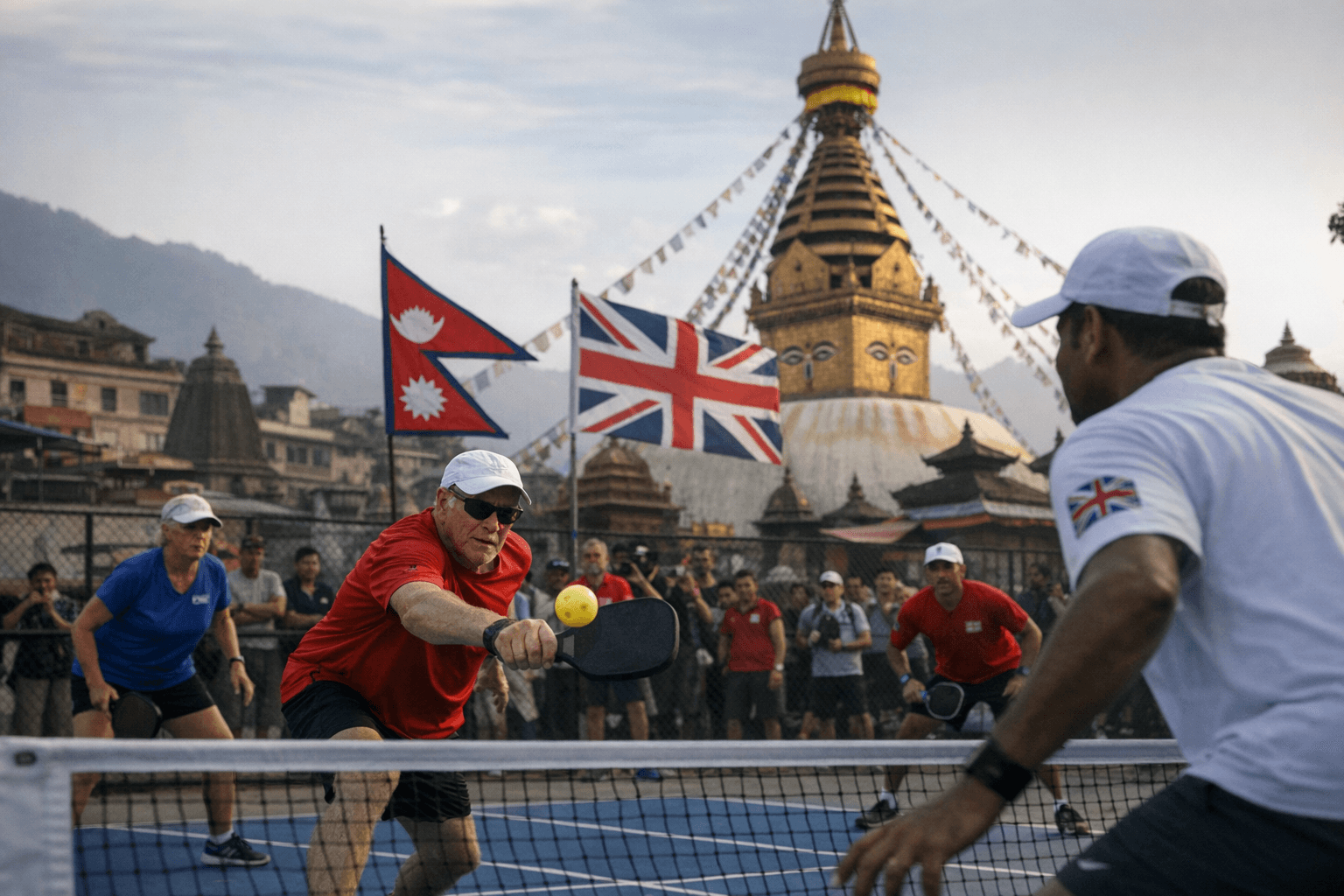
Equipment, court setup and redundancies "Make sure you have everything you need (and a little extra) on tournament day. Stock backup paddles in case someone forgets theirs or a newcomer needs one. Bring plenty of tournament-approved pickleballs, and double-check that each court is numbered." For international-friendly matches, select tournament-approved balls that reflect the expected play level and local climate. Label courts clearly for broadcast or photography teams, and prepare a small repairs kit and spares so minor equipment failures do not cascade into schedule delays.
International-specific addendum and follow-up items The Nepal–Britain Friendly in Kathmandu is named as an illustrative example in the original framing, but key international logistics are not provided in the excerpts and must be verified before you publish case details. Areas requiring follow-up include visas and travel coordination, accommodation and practice-court allocation, opening and closing ceremony protocols, permit and insurance obligations, and referee certification for internationally recognized rules. Treat these as mandatory due diligence for any cross-border fixture.
Cultural context, social implications and industry trends Friendly internationals sit at the intersection of sports growth and cultural diplomacy in Asia. Events like the Kathmandu example elevate local court development while giving visiting players exposure to new markets. That exchange accelerates grassroots participation, opens sponsorship pathways, and introduces short-term tourism revenue for host cities. Socially, inclusive tournament formats and welcome packets that explain etiquette foster respectful cross-cultural interaction and broaden the sport’s base. From a business perspective, well-run friendlies create repeatable modular events that regional federations and brands can package as festival-style weekends appealing to families, tourists and emerging pickleball sponsors.
- Define the tournament purpose: fundraising, social weekend, or competitive draw.
- Pick a date and give yourself at least 6-8 weeks of lead time.
- Produce printed brackets and a digital access option via phones or tablets.
- Prepare welcome packets with basic rules, match schedules, and contact info.
- Stock backup paddles and plenty of tournament-approved pickleballs, and number each court.
- Use a shared document or checklist for staff responsibilities; hold a short orientation.
- Place volunteers at check-in and around courts; designate a timekeeper to keep matches on schedule.
- If delays occur, trim warm-up times or adjust match lengths slightly to stay on track.
- Bring charging solutions, writing supplies, and a small surplus of essentials.
Checklist you can act on today
Editorial cautions and next steps Do not present the Nepal–Britain Friendly in Kathmandu as a detailed case study without verifying its dates, organizers and participant lists. Confirm the full Boomer Pickleball guide for any omitted format recommendations and follow up on international items such as permits, insurance and referee standards. Also factor in local health and emergency medical planning before you finalize event materials.
Final point When you combine clear goals, a compact planning timeline, ruthless operational checklists and basic cultural sensitivity, an international-friendly pickleball event becomes more than a match; it becomes a repeatable model for sport diplomacy and market development across Asia. As the region scales its courts and communities, these practical operational pillars will be the difference between a one-off novelty and a sustainable international fixture.
Know something we missed? Have a correction or additional information?
Submit a Tip