How to Start Doga Safely - Practical Steps for Pet Parents
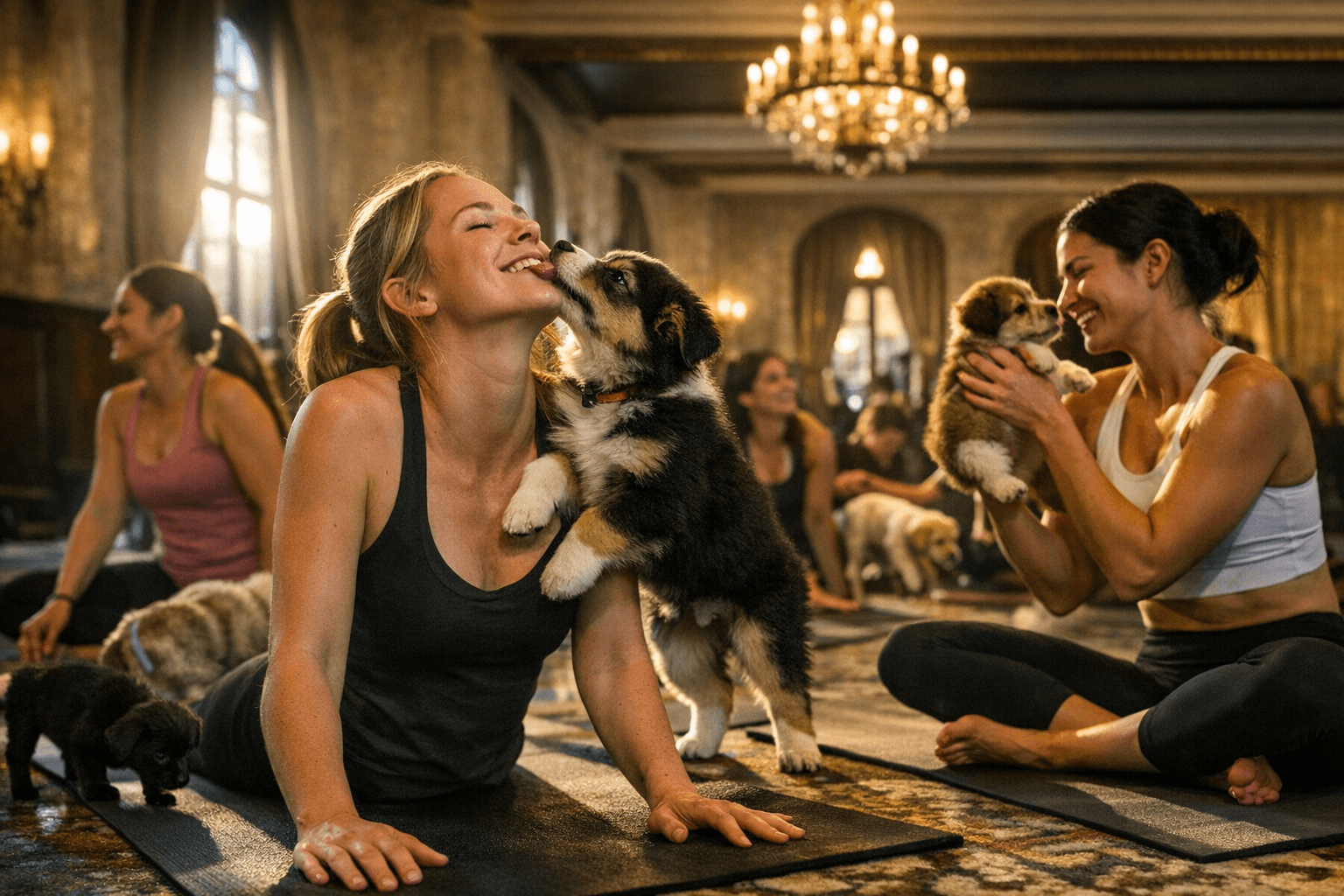
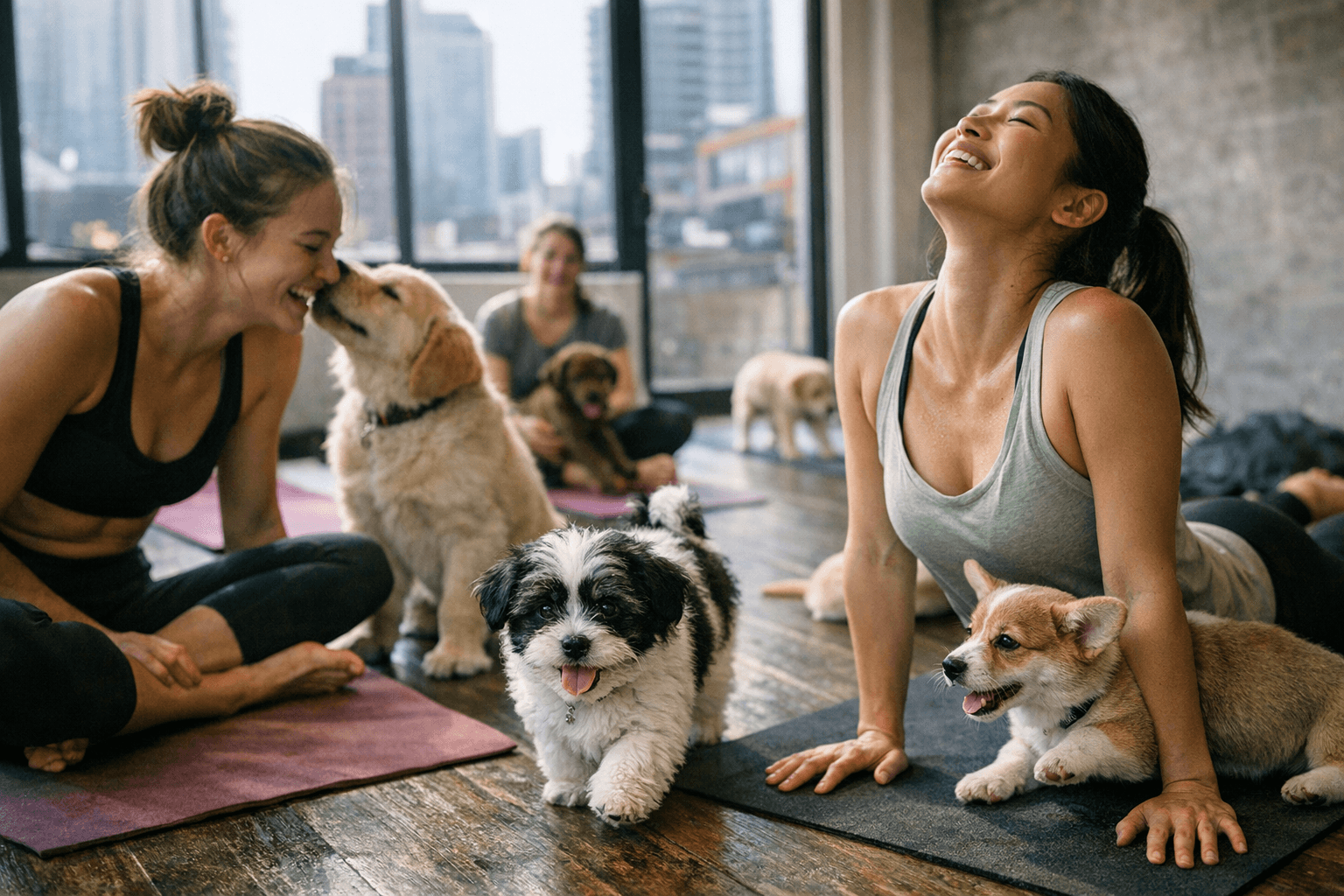
Doga, or dog yoga, blends gentle owner movement with dog-friendly interactions to build bonding, low-impact exercise, and mental enrichment for pets. Adopt a safety-first approach by consulting your veterinarian before partner-assisted stretches, introducing activities slowly, and creating a calm, low-distraction space with non-slip surfaces and water.

Doga brings owners and dogs together through low-impact movement, gentle massage, and short, positive sessions that emphasize bonding and mental stimulation rather than perfect poses. Begin by consulting your veterinarian if you plan to include stretches or partner-assisted moves, especially for dogs with health issues, mobility concerns, or recent injuries. Safety and comfort for the dog are the top priorities.
Introduce doga gradually and follow your dog’s cues. Keep sessions brief and upbeat; long practices can cause stress or fatigue. Use positive reinforcement such as treats and praise to encourage participation. Never force a pose or hold a dog in an uncomfortable position. Focus on gentle interactions: light massage, slow petting, and a heart-to-hound meditation where you sit quietly with your dog to synchronize breathing and calm. Basic partner stretches should be done only when the dog clearly shows willingness and remains relaxed.
Set up a calm, low-distraction environment. Choose a quiet room or outdoor area free from loud noises and sudden traffic. A non-slip mat protects both owner and dog from sliding during movement. Keep fresh water accessible and have small treats on hand for quick rewards. Props like a sturdy towel or low platform can help with transitions, but avoid anything that compromises stability or forces unnatural positions.
Progress gradually from simple to slightly more involved activities. Start with owner-focused stretches and allow the dog to explore mats and props on their own terms. Introduce light massage and gentle guided movements once the dog is comfortable. Monitor body language continuously: loose tail, relaxed mouth, and an engaged but calm demeanor indicate comfort; stiff posture, tucked tail, lip licking, or attempts to leave signal stress and a need to stop.
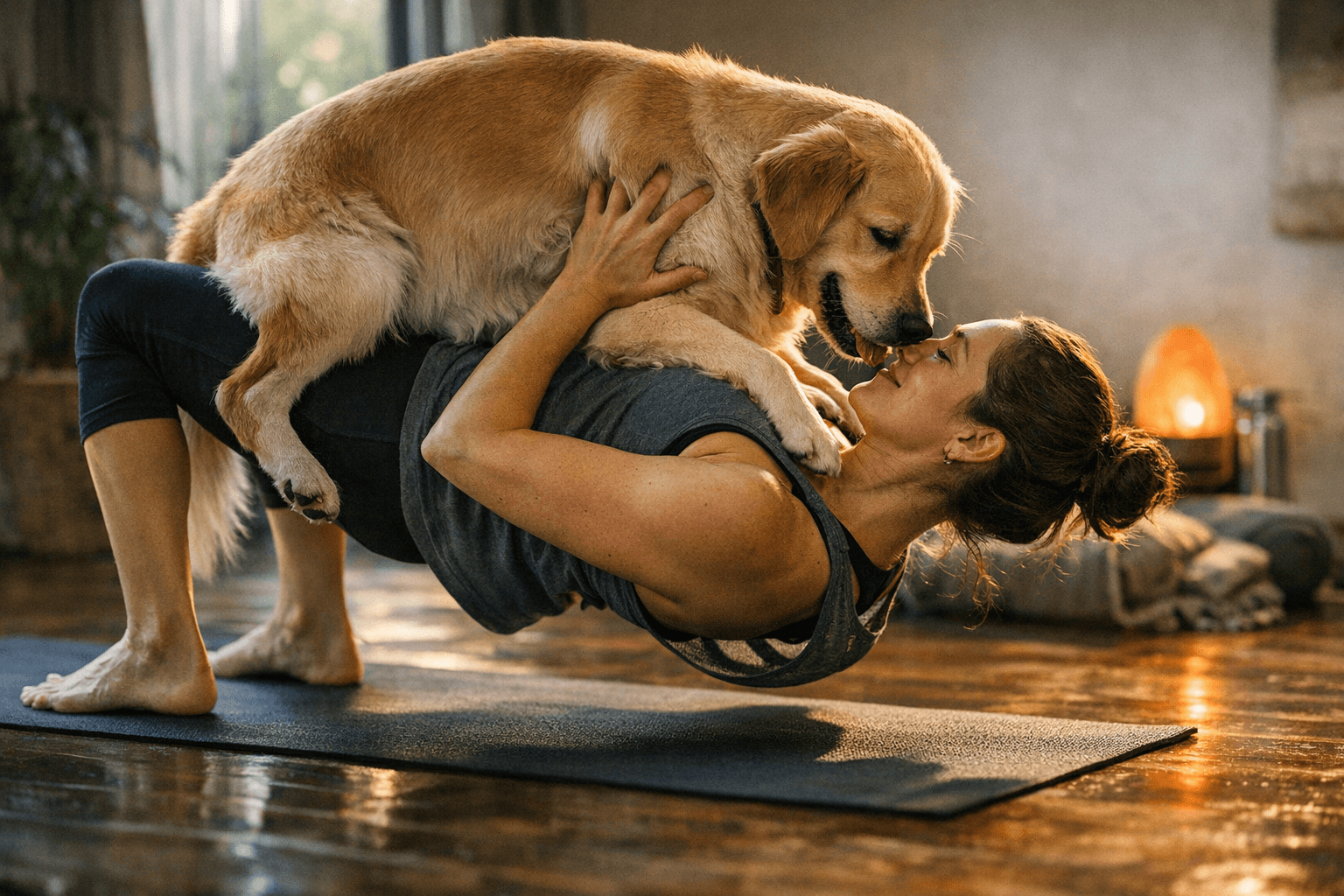
If you want classes, consider local instructors who specialize in canine-friendly movement or partner with humane-society programs and rescue organizations that host community sessions. Look for instructors who prioritize animal welfare, require health checks, and limit class sizes to reduce stress. If hosting a class yourself, communicate safety rules clearly, require proof of vaccination if appropriate for group settings, and provide quiet spaces for dogs to opt out.
The benefits of doga extend beyond stretching. Owners gain gentle, low-impact movement and a structured way to practice mindfulness, while dogs receive mental enrichment, socialization opportunities, and strengthened bonds with their humans. Keep expectations realistic: the goal is enrichment and connection, not acrobatics. With careful vet consultation, a patient introduction, and attention to signs of discomfort, doga can be a rewarding, safe addition to your shared routine.
Know something we missed? Have a correction or additional information?
Submit a Tip