How White Label PPC Services Help Agencies Scale Without In-House Teams
White label PPC lets agencies sell paid media campaigns under their own brand without hiring specialists, unlocking scalable revenue and zero in-house overhead.

White label PPC services allow agencies to offer paid advertising management to clients without building an in-house team. A specialized third-party provider runs campaigns under the agency's brand, meaning clients never know an outside firm is involved. Agencies gain certified PPC specialists, proven campaign structures, and scalable capacity overnight.
How White Label PPC Works
The process follows a predictable workflow that keeps agencies in control of client relationships while technical execution happens behind the scenes.
1. Audit and prospecting: Your white label partner provides branded PPC audit templates you can present to prospects.
Providers including Elevated Audience offer free PPC audits agencies can brand as their own to help win new business.
2. Account setup: Once a client signs on, the white label agency handles the technical setup: creating account structures, establishing conversion tracking, developing keyword strategies, and crafting initial ad copy.
3. Ongoing optimization: The provider continuously monitors and optimizes campaigns, adjusting bids, testing creative, and refining audience targeting to improve performance over time.
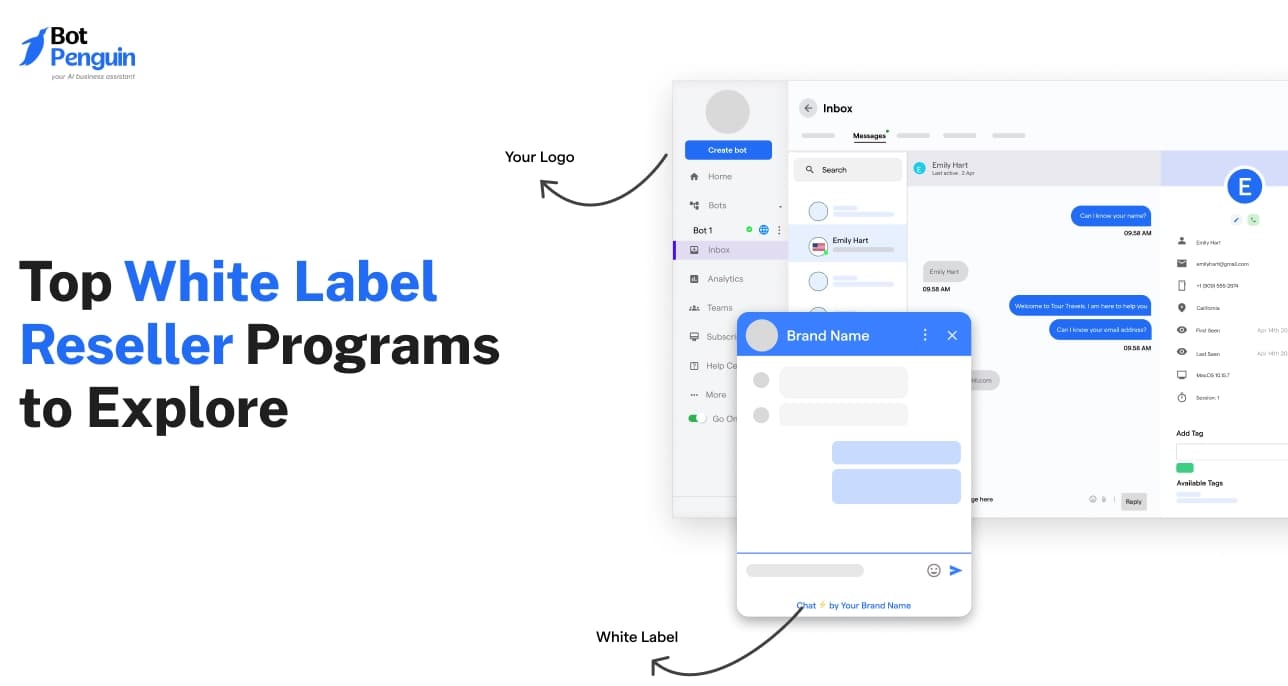
4. Branded reporting: Agencies receive performance reports under their own logo.
The white label provider's name never appears in client-facing materials, ensuring a seamless brand experience.
What Services Are Typically Included
At its core, a white label PPC service involves a collaboration between an agency and a third-party provider that has proficiency in managing PPC campaigns across various platforms such as Google Ads, Bing Ads, Facebook, and Instagram, among others.
Google Ads remains the cornerstone of most white label PPC engagements. Providers manage Search Network campaigns for lead generation and e-commerce, Display Network placements for brand visibility, YouTube pre-roll ads, and Performance Max campaigns. Google Ads commands the largest share of digital ad spend, making it the most universally requested capability.
Meta Ads (Facebook and Instagram) require a focus on creative assets, first-party audience signals, and precise conversion tracking rather than keyword intent. White label teams handle audience segmentation, retargeting builds, and structured creative testing.
Microsoft Advertising (formerly Bing Ads) offers lower cost-per-click than Google and reaches an older, higher-income demographic. Providers such as Advirtis and PPC Ninja include Microsoft campaigns in multi-platform packages.
LinkedIn Ads appear in specialist provider offerings aimed at B2B agencies, requiring distinct bidding logic and audience structures unavailable on search platforms.
Additional deliverables commonly bundled into white label PPC packages include competitor analysis, keyword research, A/B testing frameworks, landing page recommendations, and CallRail-compatible conversion tracking setups.
Pricing Models Compared
White label PPC pricing falls into three main structures, each with different implications for agency margins.
| Model | Typical Range | Best For |
|---|---|---|
| Flat monthly fee | $500 to $2,000/month | Predictable margins, mid-tier accounts |
| Percentage of ad spend | 10 to 20% of monthly spend | High-spend clients with variable budgets |
| Hybrid | Base fee + % on overage | Balancing baseline coverage with upside |
Flat-fee pricing works well for agencies because it offers a versatile solution for catering to businesses of all sizes, and these services can be customized to fit various budgetary constraints. This flexibility ensures that companies of any size can benefit from expertly managed PPC campaigns.
Percentage-based models align provider incentives with client spend growth but can compress agency margins if a client dramatically scales their budget. InvisiblePPC, for example, charges 10% of ad spend for agency partners on accounts exceeding $5,000 per month and 15% for non-partner arrangements.
US-based providers with certified senior teams typically start at $1,000 to $1,500 per month, reflecting the higher quality and accountability of domestic staffing. Agencies commonly mark up white label fees by 30 to 50 percent when reselling, creating a healthy spread without overcharging clients relative to market rates.
Top Providers for White Label PPC
Several established firms compete in this space, each with distinct positioning and strengths.
Clickx focuses on agency partnership programs, offering lead generation support alongside PPC fulfillment so partners get help winning accounts, not just managing them. With a white label PPC service from Clickx, the PPC advertising services an agency offers are performed by a third-party provider, offered under the agency name, with no need for an agency to mention the white label provider to its clients.
Semify positions white label PPC as part of a broader one-stop-shop model. As a white label PPC reseller through Semify, agencies gain more opportunities to scale by becoming a one-stop shop for all things digital marketing. Being able to lend expertise in more than one area encourages clients to upgrade their plans or choose an agency over a competitor's.
PPC Ninja, based in Vancouver, BC, specializes in fully invisible PPC management. PPC Ninja runs PPC services and Google Ads for agencies and their clients without clients knowing, offering a way to grow without the cost of hiring someone in-house or learning a new skill.
Pronto Marketing emphasizes pricing flexibility, offering white label PPC packages customizable for startups through enterprise-level accounts.
Advirtis and Elevated Audience round out the competitive field with dedicated specialist teams covering multiple platforms and structured agency onboarding processes.
Agencies pairing PPC with an SEO and content layer often turn to platforms such as WhiteLabelSEO.ai (plans from $199.99/month for 50 AI-assisted articles, with a branded client portal and auto-publishing to WordPress, Shopify, and HubSpot), The HOTH, and Vendasta to cover the organic side of the digital marketing stack alongside paid campaigns.
When to Add White Label PPC to Your Agency Offerings
The clearest signal to introduce PPC services is when a client asks for it before you have the in-house capability to deliver. Turning down a paid advertising request means surrendering revenue and potentially losing the entire account to a competitor offering full-service management.
White label PPC works as a behind-the-scenes collaboration where the expertise and infrastructure of the white label partner become an extension of the agency's services. Clients remain completely unaware of the third-party involvement, experiencing a seamless and professional service delivered under the agency's brand.
From a retention standpoint, clients who see their agency managing paid search, social, and organic channels simultaneously are far less likely to seek out specialist point solutions. A single provider relationship with clear, branded reporting across all channels builds the kind of trust that reduces churn more reliably than any individual campaign result.
Frequently Asked Questions
What is white label PPC management?
White label PPC management is the outsourcing of paid advertising campaigns, including Google Ads, Meta Ads, and Microsoft Advertising, to a third-party provider who operates entirely under your agency's brand. Clients receive campaign builds, bid management, ongoing optimization, and branded performance reports without knowing an external firm is involved. Providers such as Clickx, Semify, PPC Ninja, and Pronto Marketing handle all technical execution while the agency owns the client relationship.
How much do white label PPC services cost?
White label PPC services typically cost between $500 and $2,000 per month on a flat-fee model, or 10 to 20 percent of monthly ad spend on a percentage-based structure. US-based providers with certified senior teams generally start at $1,000 to $1,500 per month. Agencies commonly mark up these wholesale costs by 30 to 50 percent when reselling to clients, generating a margin layer without any internal staffing overhead.
What is the difference between white label SEO and white label PPC?
White label SEO focuses on improving organic search rankings through content creation, technical site optimization, and link building, while white label PPC manages paid advertising campaigns on platforms including Google Ads, Meta Ads, LinkedIn, and Microsoft Advertising. SEO results typically compound over three to six months; PPC delivers measurable traffic immediately after launch. Many agencies use both in tandem, pairing a PPC provider with a content and SEO platform to offer clients complete search presence management under a single branded relationship.
Know something we missed? Have a correction or additional information?
Submit a Tip