Hubble and Webb reveal a hidden black hole in Omega Centauri
Hubble and Webb exposed oMEGACat BH-2, a low-mass black hole 18,000 light-years away in Omega Centauri, the first of its hidden population.
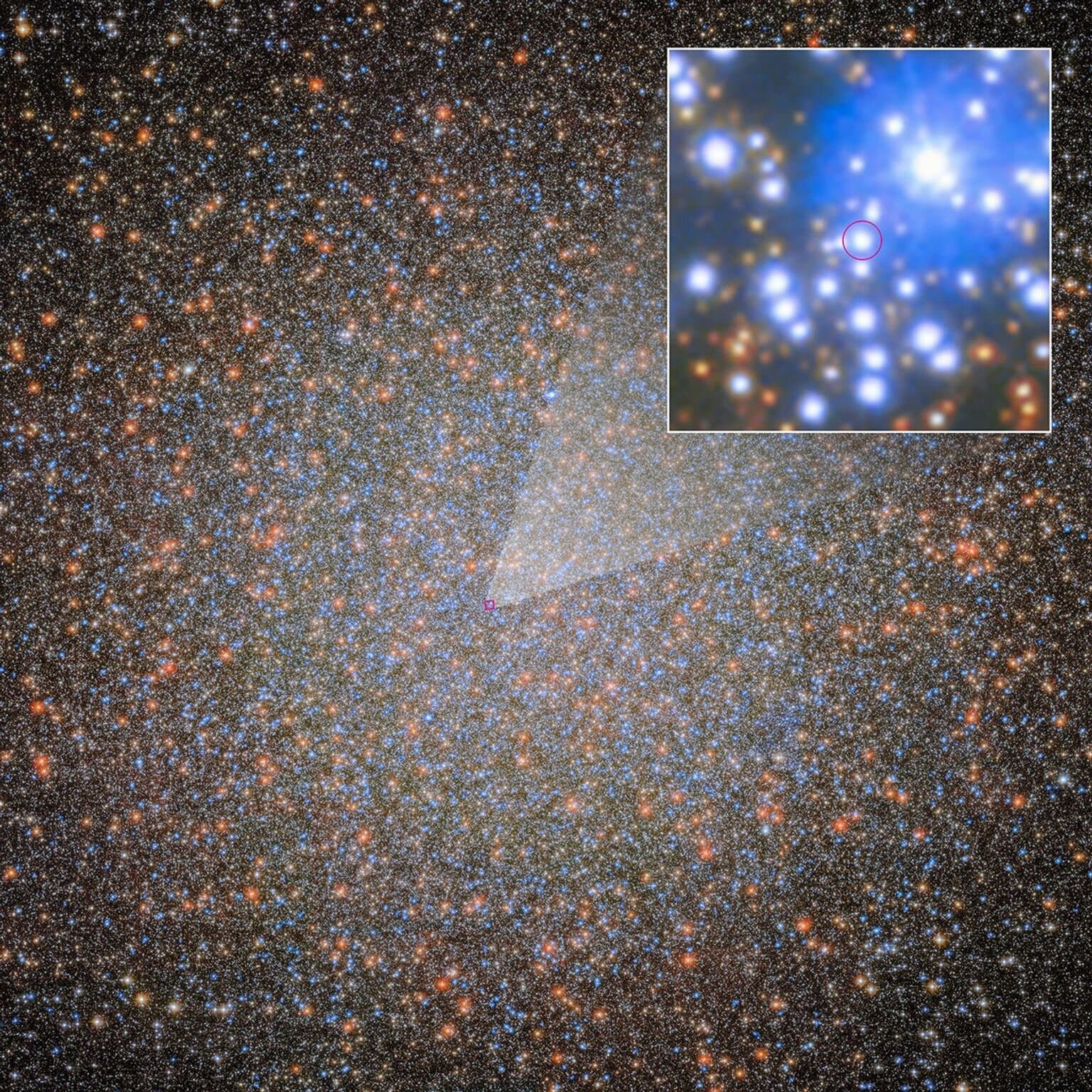
Astronomers have found oMEGACat BH-2, a hidden black hole inside Omega Centauri, using more than 20 years of Hubble archival images and recent James Webb Space Telescope observations. The object sits about 18,000 light-years away and has a lower-than-expected mass, making it the first identified stellar-mass black hole in the sprawling star cluster.
The breakthrough depended on astrometry, the careful measurement of tiny shifts in position over time. By tracking the motion of a visible companion star across decades of NASA Hubble Space Telescope data and then confirming the pattern with Webb, the researchers identified a black hole-star binary with the longest orbital period known for any black hole binary system. The result was published Monday, July 13, 2026, in The Astrophysical Journal Letters.
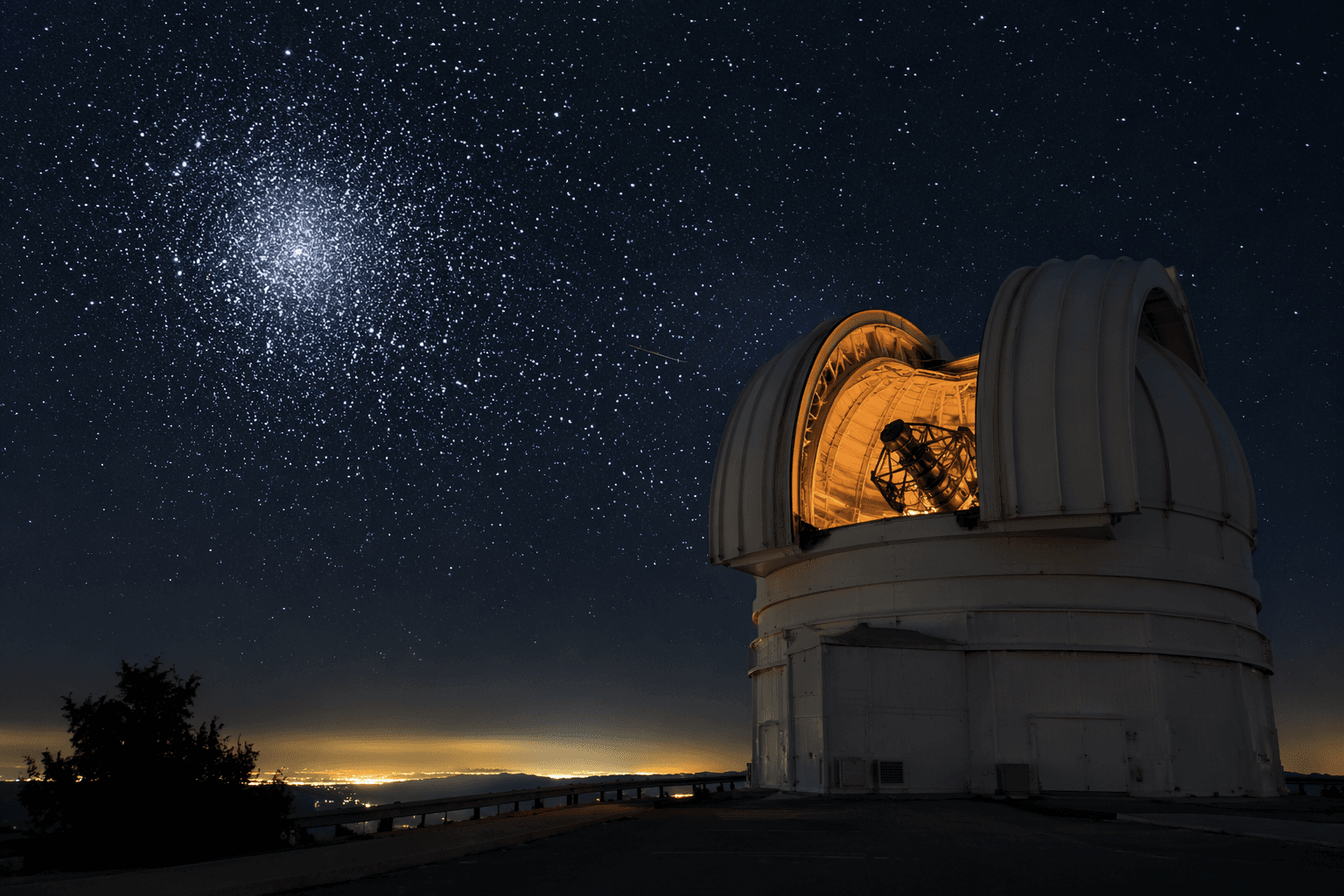
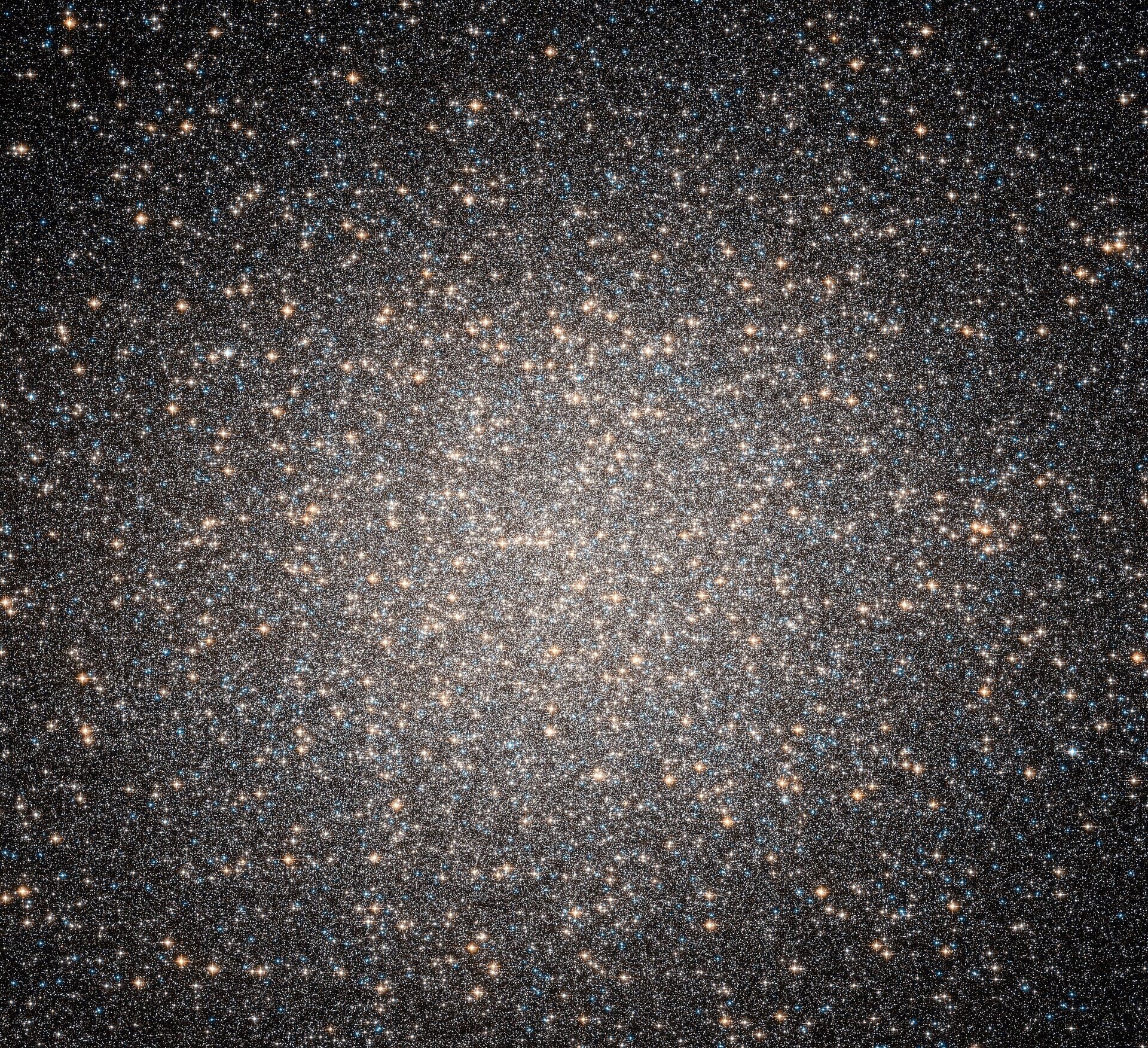
Omega Centauri gave the discovery added weight. The cluster contains about 10 million gravitationally bound stars, and models suggest it should harbor roughly 10,000 stellar-mass black holes. Finding oMEGACat BH-2 gives astronomers a direct anchor point in a system long suspected of hiding a large black-hole population but offering little proof that such objects could be detected one by one.
The cluster has already produced another major clue. In 2024, astronomers presented evidence for an intermediate-mass black hole candidate at Omega Centauri’s center, using more than 500 Hubble images collected over two decades and the motions of seven fast-moving stars. Intermediate-mass black holes are regarded as a missing link in black hole evolution, sitting between the stellar-mass objects formed by collapsing stars and the supermassive giants found in galactic centers.
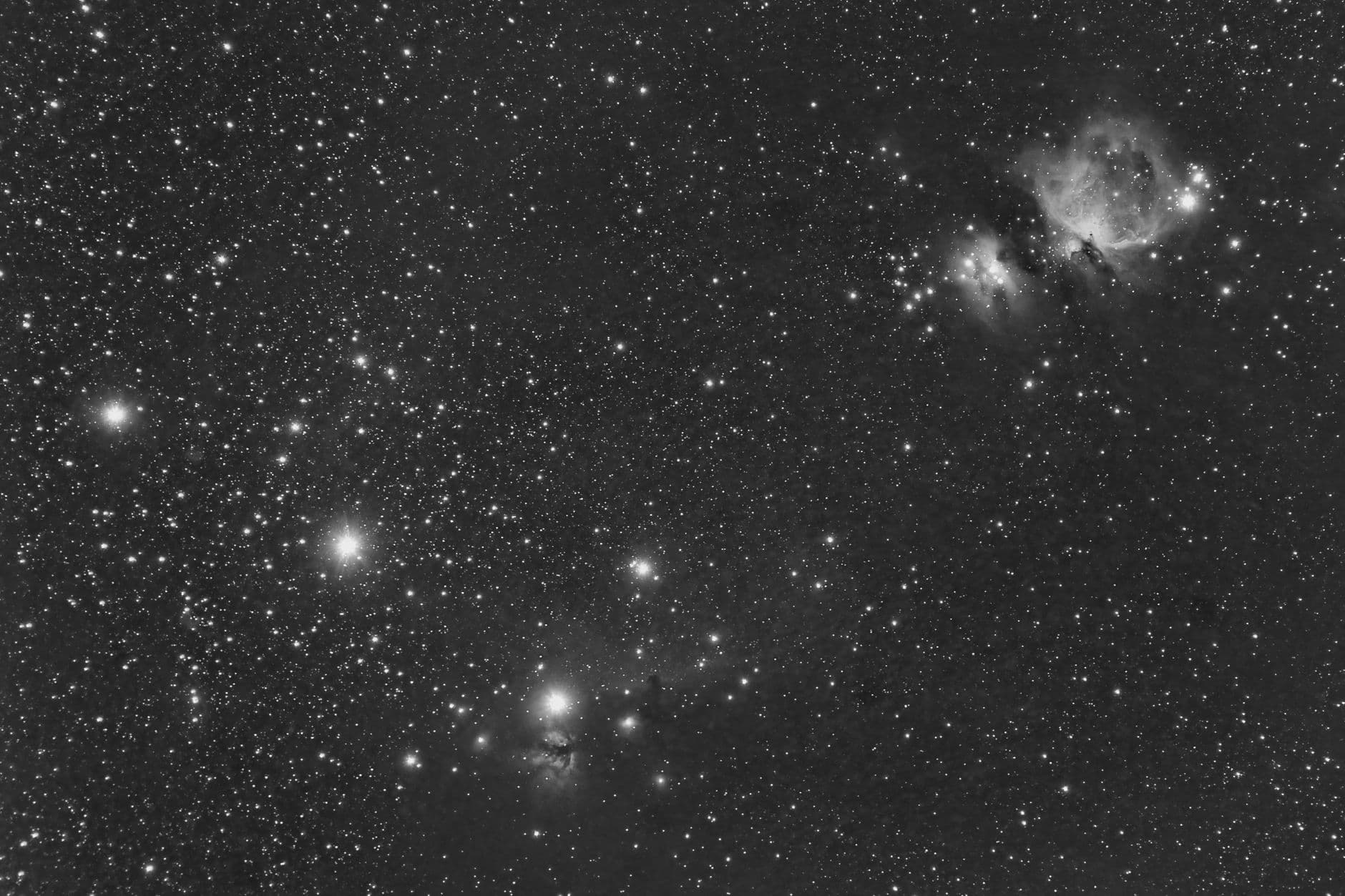
That makes Omega Centauri especially important for black-hole research. The cluster now appears capable of hosting multiple black-hole populations at once, from a central intermediate-mass candidate to the newly identified stellar-mass system. For researchers, that mix offers a rare laboratory for testing how black holes form, survive and hide inside dense stellar environments.
Matthew Whitaker, a University of Utah undergraduate research assistant and the lead author, said the team could not have made the discovery without the precision of Hubble and Webb. University of Utah researchers say the finding is only the beginning of a broader search for similar black-hole systems in other clusters, where decades of telescope data may still hold more concealed objects.
This article was produced by Prism’s automated news system from verified source data, official records, and press releases, then run through automated quality and moderation checks before publishing. The system is built and supervised by the people who set the standards it runs under. Read our full AI policy.
Did this article answer your question?