Hugo Lloris Ends International Career After Illustrious Reign
Hugo Lloris, France’s record appearance holder and captain, has announced his retirement from international football, closing a 14-year chapter that included a World Cup triumph and two continental finals. The decision forces a generational shift for Didier Deschamps’s side and raises questions about leadership, succession and the cultural legacy of a goalkeeper who became the face of modern French football.
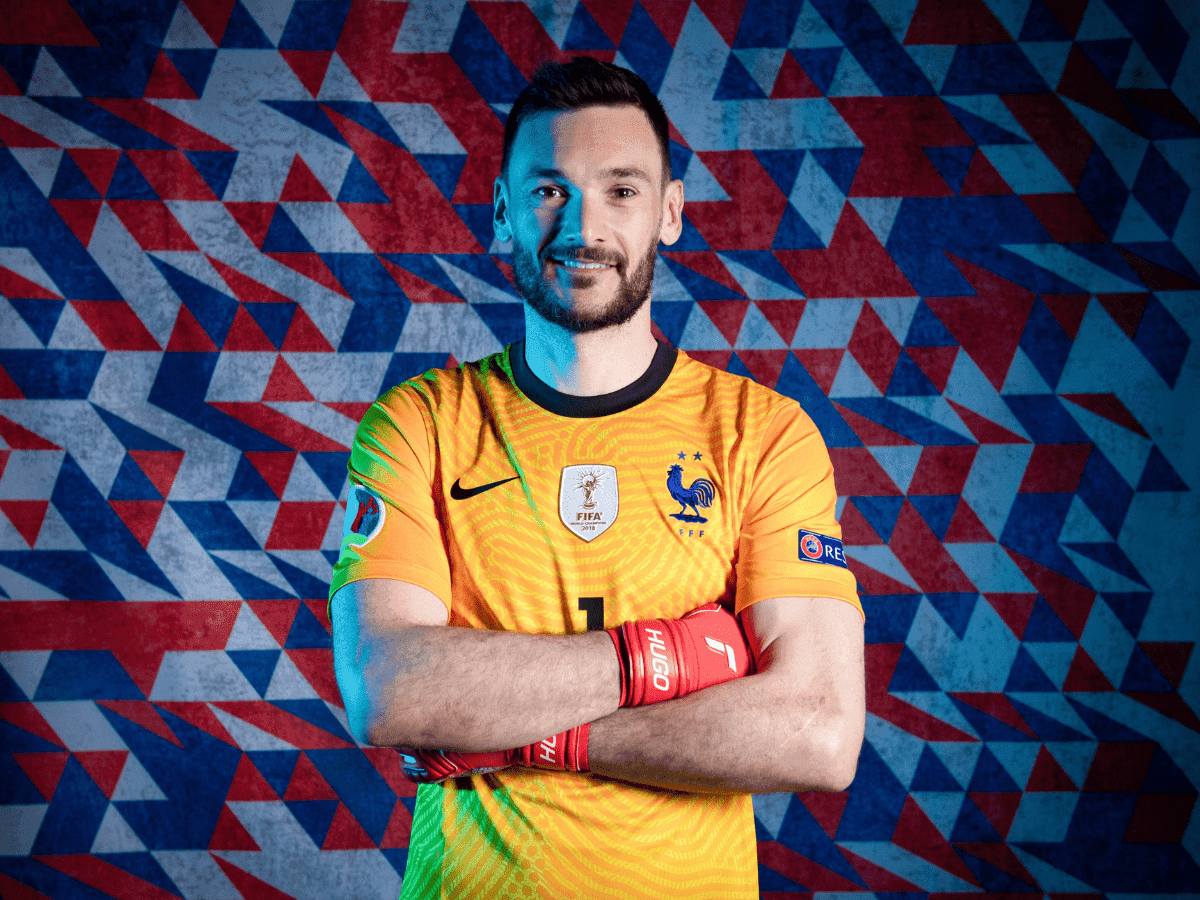
Hugo Lloris has announced he will retire from international football at the age of 36, stepping away from a national team career that began in 2008 and produced a record 145 caps and 121 appearances as captain. The decision, made public in early January, marks the end of an era for a player who led France to the 2018 World Cup title, the 2022 World Cup final in Doha and the Euro 2016 final, and who stood at the centre of a sustained period of international success.
Lloris framed his decision in terms of completeness and timing. “I’ve decided to stop my international career, with the feeling that I have given everything,” he said, adding in an interview that “there comes a time when you need to step aside” and that “the French national team does not belong to any one person.” He told a national daily that he had “really been thinking about it since the end of the World Cup” and that “there has been something deep inside of me for maybe six months now and which grew during the competition, leading me to make this decision.” He also stressed the importance of announcing his decision now, “two-and-a-half months before the start of Euro qualifying.”
France’s head coach Didier Deschamps paid immediate tribute, characterising Lloris as “a very great servant of the French team” and praising his “exceptional” international career. “Hugo has decided to retire while he is still at the top of his game. He shared his thoughts and decision with me a few days ago. I must, we must, respect it even if he still had his place in our team, as he demonstrated during the last World Cup, in Doha,” Deschamps said, adding that “There comes a time when you have to know how to hand over the reins.” Deschamps has already pointed to Mike Maignan as a goalkeeper who is ready to step into the role.
The timing accelerates a succession process that had been looming since the Qatar final. Lloris’s retirement forces France to replace not only a goalkeeper but a steadying captaincy presence whose influence extended beyond shot-stopping to in-game organization, dressing-room leadership and international representation. On the pitch, the team now shifts focus to keeping defensive continuity and replacing Lloris’s positional intelligence. Off the pitch, sponsors, broadcasters and the FFF face a recalibration: the departure of a familiar national figure reshapes marketing narratives and the federation’s leadership messaging ahead of the next qualifying campaign.

Culturally, Lloris leaves as an emblem of a generation that combined individual talent with team-first professionalism. He represented a modern French national team identity built on depth, tactical flexibility and competitive resilience. His exit will prompt reflection about captaincy traditions in France and the responsibilities that accompany symbolic roles in national sport.
For Tottenham, where Lloris remains a veteran goalkeeper and club captain, the announcement cements his status as a player balancing club longevity with international legacy. For the next generation of French keepers, his retirement is both an opportunity and a challenge: to inherit the technical standards he set and to define a new model of leadership for a team that expects to remain at the top of world football.
This article was produced by Prism’s automated news system from verified source data, official records, and press releases, then run through automated quality and moderation checks before publishing. The system is built and supervised by the people who set the standards it runs under. Read our full AI policy.
Did this article answer your question?

.jpg&w=1920&q=75)
