Humanoid raises $152 million, values startup at $1.35 billion
Humanoid said its $152 million Series A lifted it to a $1.35 billion valuation, as investors kept betting humanoid robots can move into real factories and warehouses.
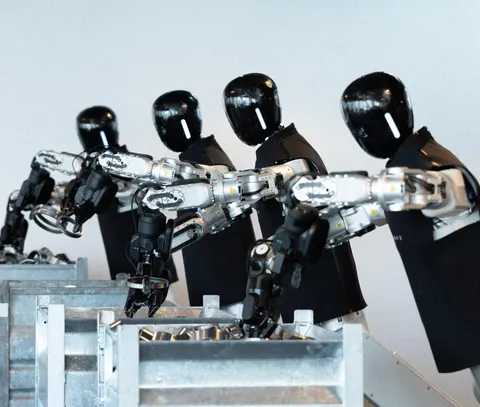
Humanoid said it raised $152 million in a Series A round that valued the London-based robotics startup at $1.35 billion, a sharp vote of confidence in a sector still far from mass deployment. The company said the financing made it Europe’s first pure-play humanoid robotics unicorn.
The round comes as investors keep funding companies trying to build machines that can work in spaces built for people, from factories and warehouses to retail floors and other labor-heavy settings. Humanoid, founded by Artem Sokolov, describes itself as an AI and robotics company developing industrial humanoid robots, a pitch that has drawn backing from Prime Movers Lab, Bosch, Schaeffler, Aglaé Ventures and Fubon Financial. One report said the company’s total funding has now reached $270 million.
The appeal is straightforward: if humanoid robots can balance, perceive and manipulate objects reliably enough, they could take on tasks that are hard to automate with fixed industrial arms. That promise is especially attractive in industries facing labor shortages, rising wages and hazardous work. But the gap between prototype demonstrations and repeatable deployments remains wide, and the sector’s valuations still rest more on belief in future use than on broad adoption today.
Humanoid’s own commercial plans suggest why investors are willing to keep paying up. On May 13, 2026, the company said it had signed a binding phased deployment and supply agreement with Schaeffler. Under that deal, the first systems were due to go live in Germany before the end of 2026, and Schaeffler was set to become a preferred supplier of actuators. The Next Web also reported that Bosch’s robotics subsidiary was lined up as a contract manufacturer, pointing to a strategy that reaches beyond research and into production scale-up.
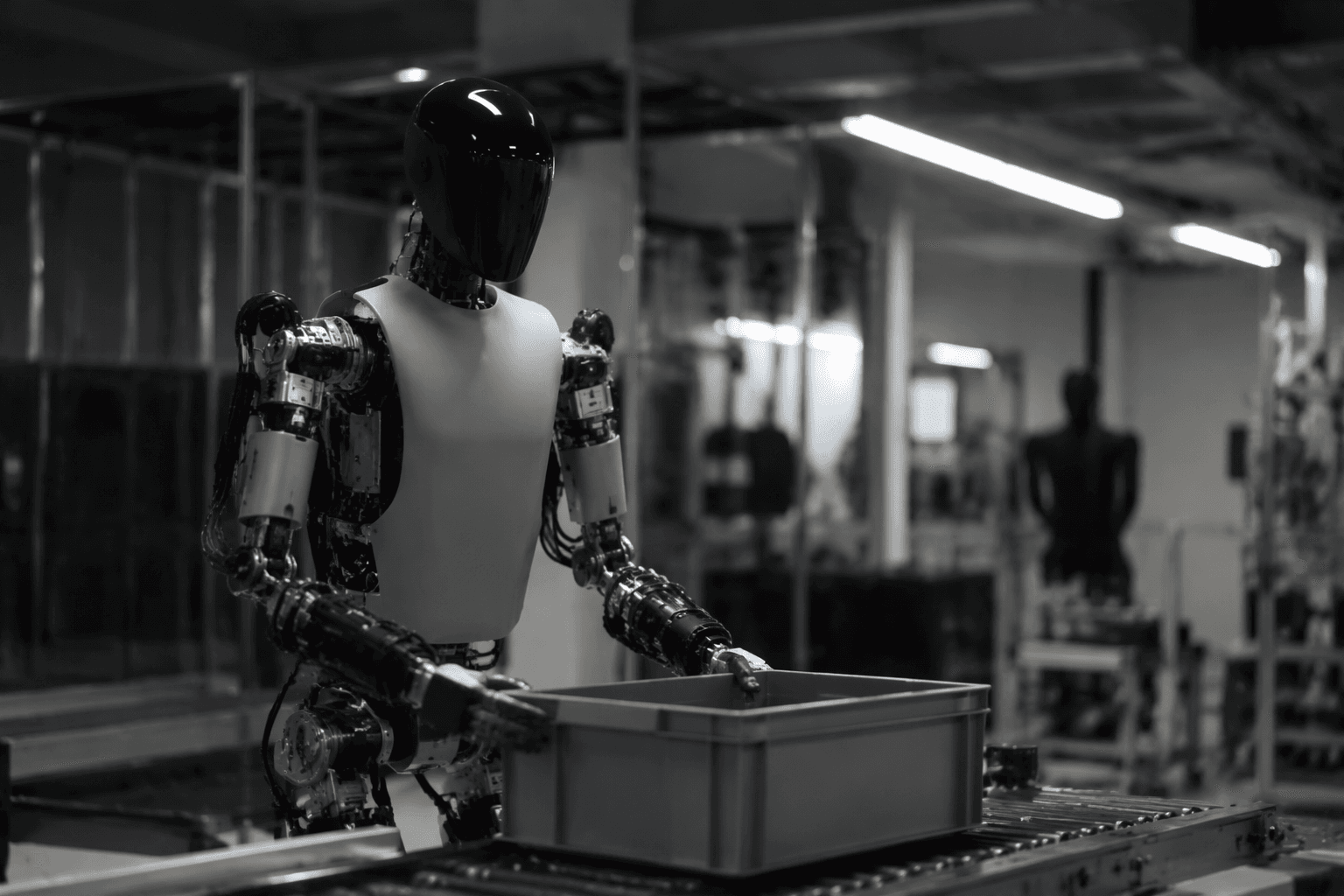
That manufacturing angle matters because humanoid robotics is as much an industrial supply-chain challenge as a software race. Building safe, durable machines that can run for long periods in messy real-world environments requires more than artificial intelligence. Cost control, service support, component sourcing and customer integration will decide whether startups can convert eye-catching demos into recurring revenue.
The latest valuation also lands in a market where prices have been climbing fast. Figure, another humanoid robotics startup, was valued at $39 billion in a September 2025 funding round, underscoring how much capital has piled into the category. Humanoid’s $1.35 billion valuation, reached just about two years after founding, shows that investors still see humanoid robotics as a plausible new class of enterprise hardware, even if the commercial timeline is still unproven.
This article was produced by Prism’s automated news system from verified source data, official records, and press releases, then run through automated quality and moderation checks before publishing. The system is built and supervised by the people who set the standards it runs under. Read our full AI policy.
Did this article answer your question?