Hundreds of Baltimore Students Stage SOMOS-Led Walkout Demanding ICE Policy Changes
Hundreds of Baltimore students walked out of classes to protest ICE operations and demand policy changes, highlighting local concerns about detention, family separation, and oversight.
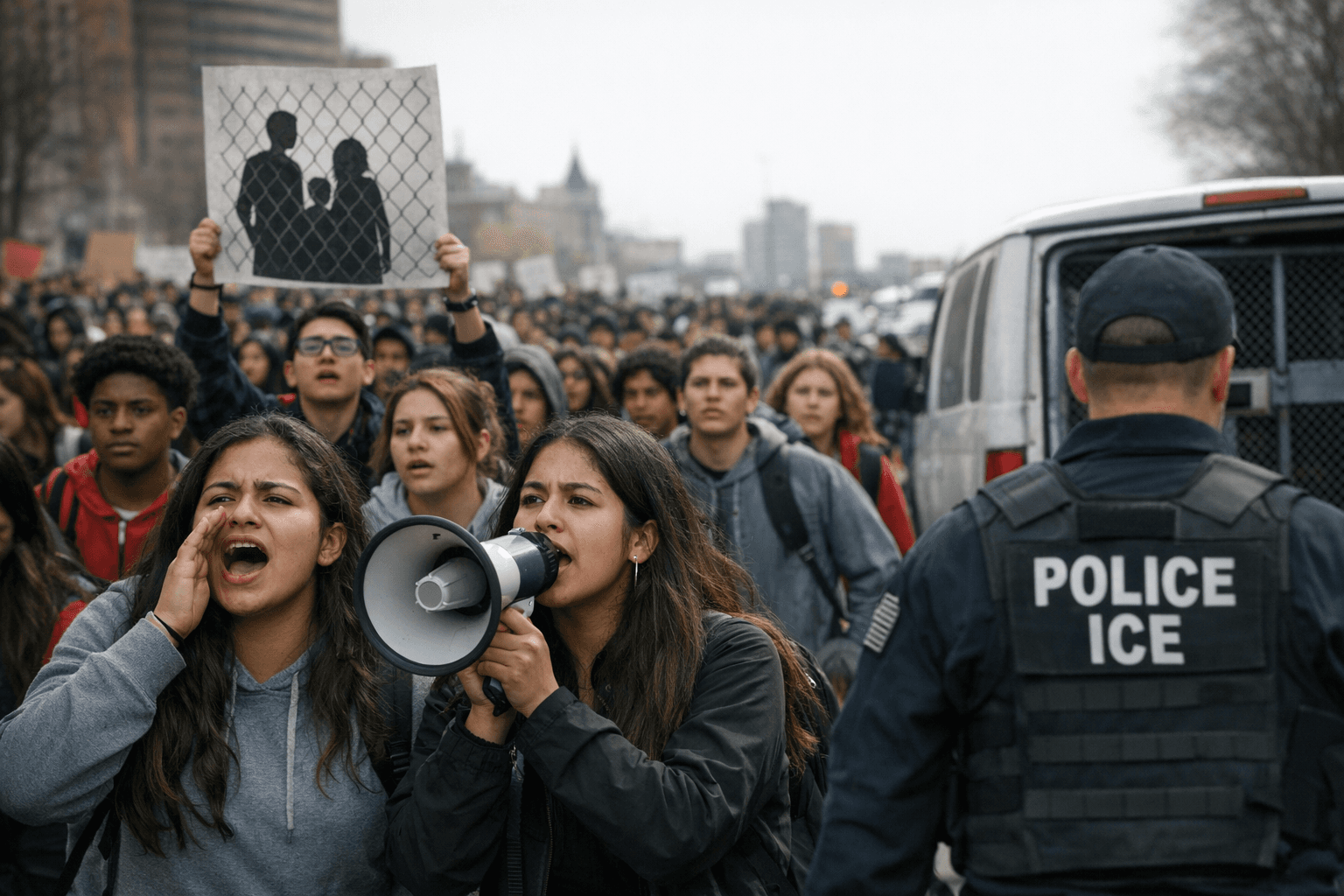
Hundreds of Baltimore students walked out of class, marched through downtown and staged demonstrations at school sites to press state and federal leaders for changes to U.S. Immigration and Customs Enforcement policies. Organizers with Students Organizing a Multicultural Open Society (SOMOS) framed the action as a call to cut ICE funding, tighten oversight, and end local law enforcement collaboration under the 287(g) program, WMAR reported.
Reports from local outlets placed major activity on Feb. 5, 2026, with additional walkouts and related events extending into Feb. 6. Dozens of students from Baltimore City College High School marched from their temporary classroom location at the University of Baltimore to Pearlstone Park carrying signs and chanting, CBS Baltimore reported. WBAL-TV 11 captured students marching from Dunbar High School to City Hall and SKY 11 aerial video showed walkouts at Kenwood, Woodlawn, and Towson high schools in Baltimore County.
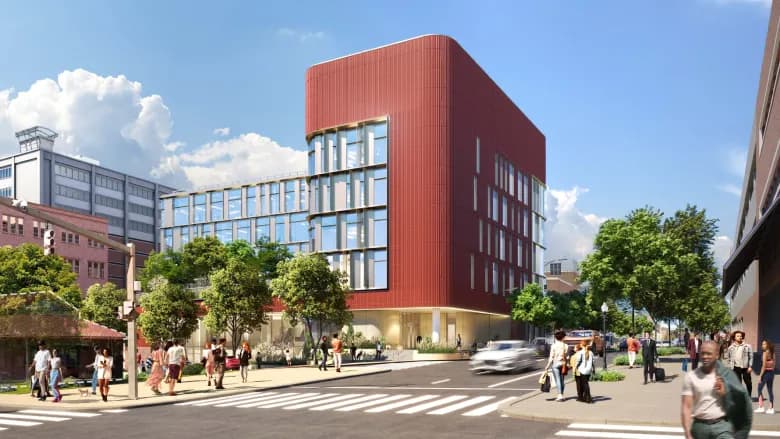
SOMOS organizers sought to draw attention to what they called a broken system. Clair Nutt, identified by WMAR as part of SOMOS, said, "The government has the potential to change, and they are able to fix their problems. We know that this is not right. This is a system that's broken, so I want to see something done about it." Kaeden Edwards, a Dunbar senior and student government president who helped organize the Dunbar protest, said, "We need to make a message. We need to say something that even the young people notice." Edwards linked local action to a viral video showing conditions at the ICE Baltimore facility at Hopkins Plaza and to solidarity with activists in Minnesota.
The demonstrations included personal stories that underscore the community impact of immigration enforcement. WBAL reported that ICE arrested Jose Juan Martinez Castillo on Feb. 2; the station quoted ICE saying, "On Feb. 2, ICE officers arrested Jose Juan Martinez-Castillo, an illegal alien from El Salvador with a final order of removal from an immigration judge. He illegally entered the United States in 2001 near Brownsville, Texas, and was released into our country. He will remain in ICE custody pending his removal." WBAL also printed a separate ICE statement urging undocumented people to use the CBP Home app and to "take advantage of this offer" of payment and a free flight to self-deport. Dulaney senior Wilson Martinez, whose father was detained, told WBAL, "It’s such a heartwarming feeling to know that we are supported by many." An online fundraiser tied to the family has raised more than $20,000, WBAL reported.
Students used signs, bullhorns, chanting, and peaceful marches to make their point. A substitute teacher at Baltimore City College quoted in CBS invoked a bilingual warning: "Cuidado con el hielo, which means 'Watch out with ICE,'" and Perry Hall senior Nihal Ali said, "I see how ICE has been affecting our communities, and how much families are hurting over this."
Public health and social equity concerns thread through the protests. Detention and family separation carry documented mental health harms for children and adults and can undermine trust in health systems and local public services, particularly in communities already facing health disparities. Organizers’ calls for oversight and funding changes reflect demands that policymakers weigh the public health consequences of enforcement alongside immigration policy.
City Schools sent a statement to WBAL, though the text was not published in the excerpts available, and CBS said organizers intended the demonstrations to draw the attention of state and federal lawmakers. WMAR noted more walkouts were expected in Harford and Baltimore counties the day after the initial actions, and CBS updated coverage to reflect continued student protests on Feb. 6. For Baltimore residents, the protests signal ongoing community concern about ICE activity in the city, potential policy debates at the local and state level, and the human toll felt by students and families whose lives intersect with immigration enforcement.
This article was produced by Prism’s automated news system from verified source data, official records, and press releases, then run through automated quality and moderation checks before publishing. The system is built and supervised by the people who set the standards it runs under. Read our full AI policy.
Did this article answer your question?