Hundreds of Minnesota businesses, including restaurants, close for ICE Out Day
Hundreds of Minnesota businesses closed or altered services for a one-day economic blackout called the Day of Truth and Freedom to protest expanded ICE enforcement and recent shootings.

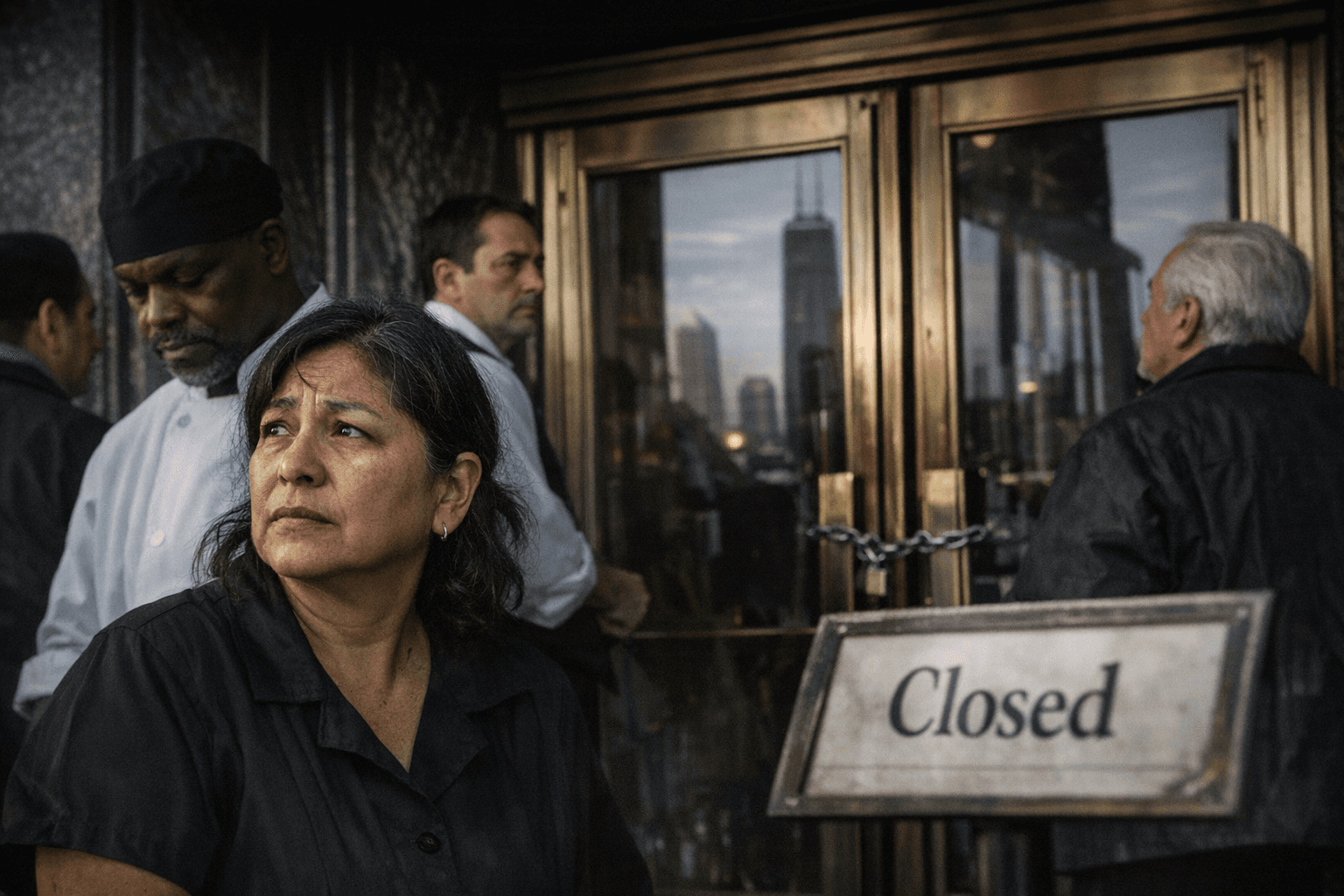
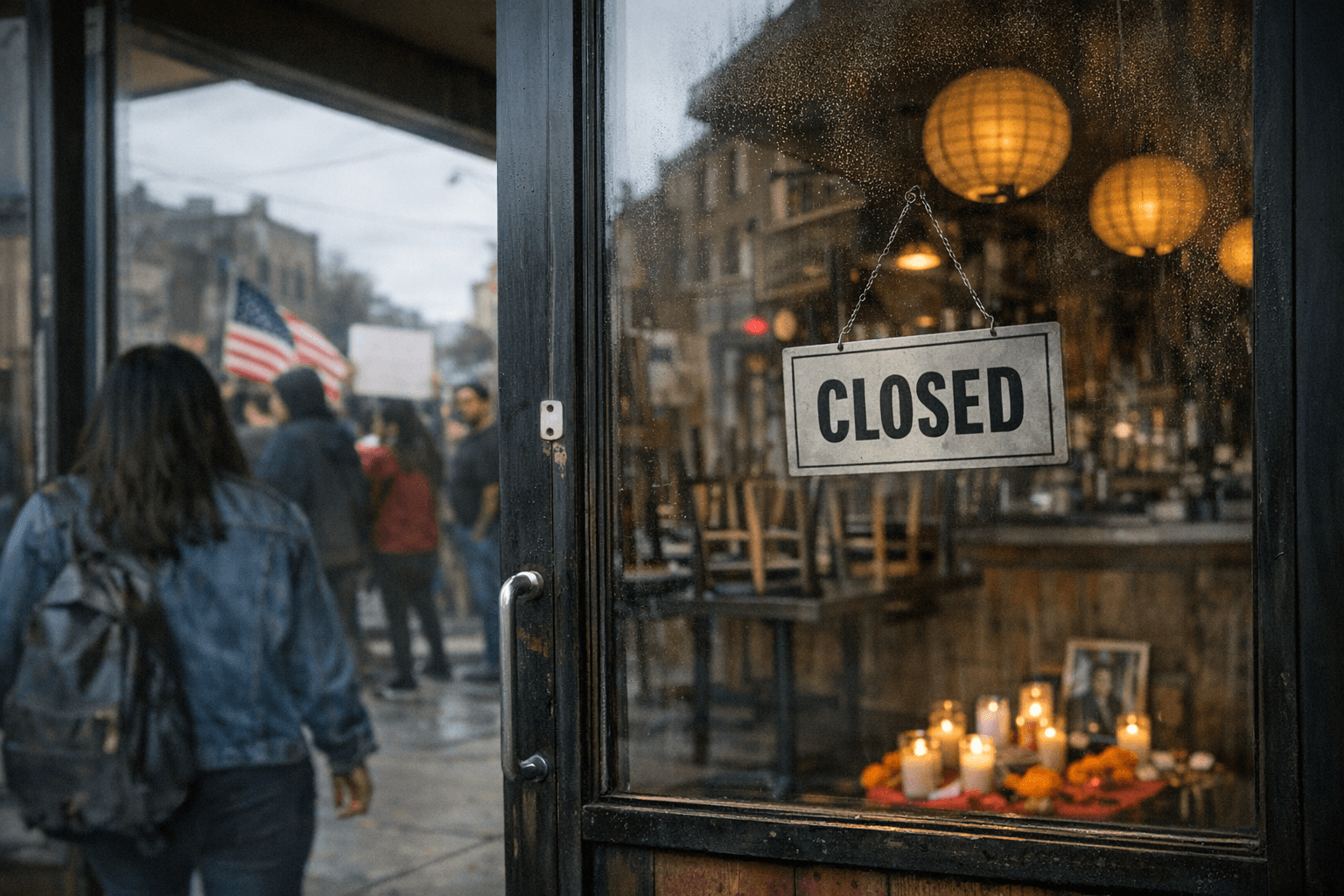
Hundreds of businesses across Minnesota closed or changed operations for a one-day economic blackout called the Day of Truth and Freedom, organized by faith leaders, unions and community groups to protest expanded federal immigration enforcement and recent shootings involving ICE agents. The action folded restaurants, bars, coffee shops, bookstores, breweries, grocery stores and nonprofits into a coordinated pause of commerce and, in many cases, a shift to mutual aid.
Organizers framed the protest as a response to Operation Metro Surge, a federal enforcement effort launched in December in Minneapolis and St. Paul that organizers and some accounts say has resulted in hundreds of arrests. The blackout also drew attention to two recent shootings involving ICE agents this month that left one person dead and another wounded; organizers have called for legal accountability and for ICE to leave the state.
AFL-CIO Minnesota chapter President Bernie Burnham described the aims of the blackout as a way for people to “call for ICE to leave our state, no additional funding for ICE, legal accountability for ICE's killing of Renee Good, and for Minnesota's large corporations to stop cooperating with ICE.” Labor councils across the Twin Cities region formally endorsed the action, and Minneapolis Regional Labor Federation president Chelsie Glaubitz Gabiou said the coalition expected wide participation. “Last night, I had heard over 600 businesses had publicly signed on,” she said, adding that many participating storefronts were opening as mutual aid sites. “A lot of those businesses are opening their doors today to be mutual aid sites for folks to drop off food donations and to be warming houses for people who need warming houses in today's extreme weather.”
Local restaurant operators and owners posted concerns in the days before the blackout. The Herbivorous Butcher warned on social media that “Our neighbors are scared to leave their homes. Families are being torn apart. Small businesses are struggling to keep the lights on. Fear has settled into places that should feel safe.” Organizers and volunteers coordinated food distributions, donation drives and warming centers at participating locations.
Economic impacts were uneven and contested. A Minnesota research institute reported that the surge has caused about 80 percent of immigrant-owned businesses in the area to close, producing 50 to 100 percent drops in sales. Labor scholars urged caution in interpreting a single-day action's long-term effects. “In economic boycotts of the past, consumers were boycotting specific products such as meat, which had gotten too expensive,” said Emily E. LB. Twarog, a professor of labor and employment relations. “And the economic impact of that particular boycott was much more pronounced because it was often small businesses - local butchers, Mom and Pop stores - that had to bear the brunt of these consumer protests.” She added, “A single-day boycott would only affect major companies' daily sales, rather than overall revenue.”
Organizers also named several large companies as focal points of criticism, including Target and other national corporations with Minnesota ties. On the ground, union leaders described immediate workplace effects: “Teachers are teaching to half-empty classrooms. Restaurants are having to close. Restaurants are asking for volunteers to come in and help so that they can keep their doors open,” Gabiou said, and she warned that workers who stayed home were facing steep financial pressure as rent deadlines approached. “We're coming up here on three weeks of this, which is when rent is going to be due for folks. Mutual aid networks have been built up all across the community to try and support these folks who are staying home.”
The Day of Truth and Freedom underscores tensions between enforcement policy and local economies that rely on immigrant workers and small-business operators. For restaurant owners, managers and hourly workers, the protest highlighted immediate trade-offs between solidarity, safety and lost revenue. Community leaders and labor groups say mutual aid and further organizing will continue as investigations and debates over enforcement, corporate cooperation and accountability proceed.
Know something we missed? Have a correction or additional information?
Submit a Tip