Hundreds of New Yorkers Get Candid About Money and Affordability
Eliza Shapiro's callout to New York City residents on their finances drew hundreds of responses, surfacing a city where half of households can't cover basic necessities.
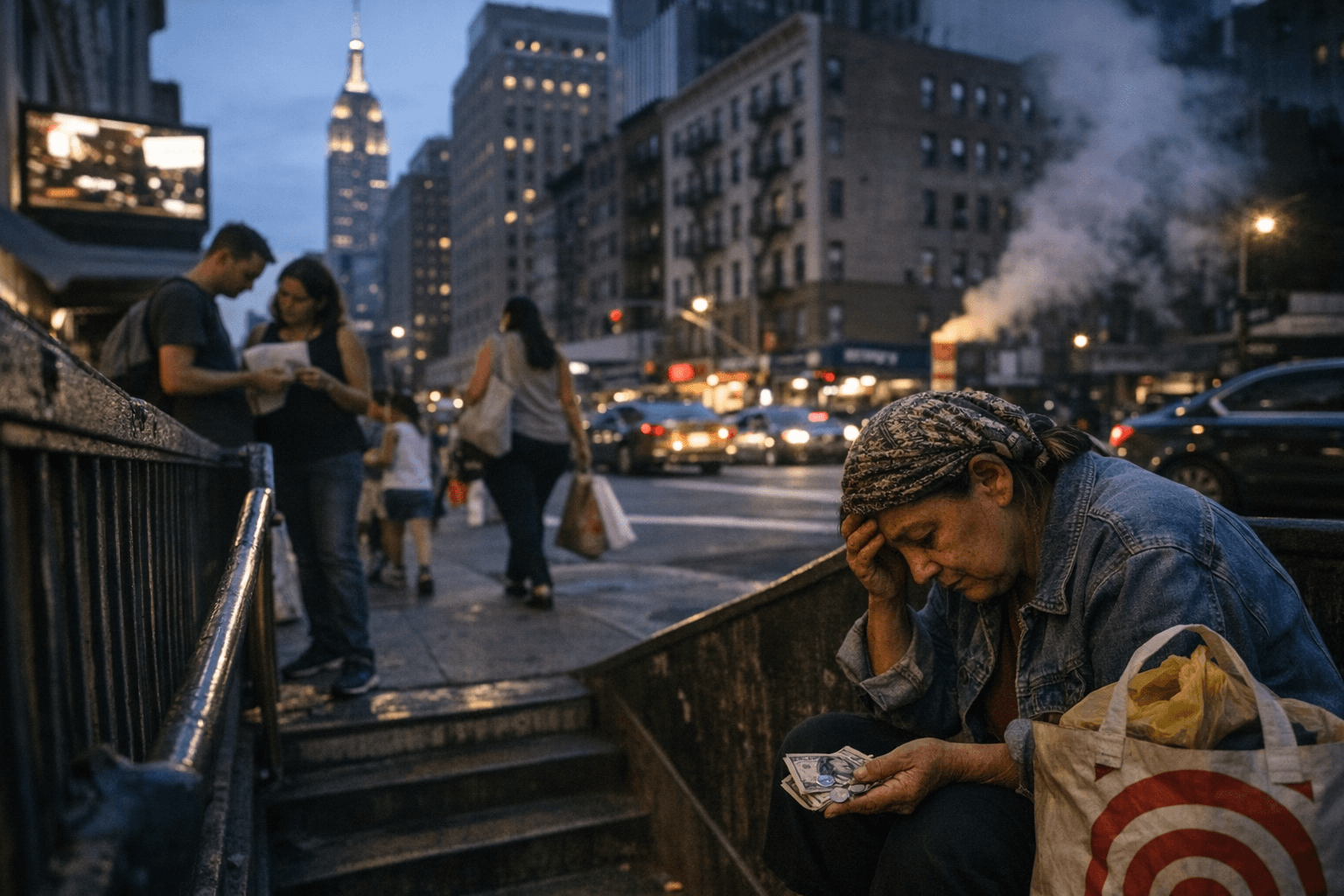
When New York Times reporter Eliza Shapiro issued an open call in December 2025 asking New Yorkers to get candid about their money, the volume and rawness of what came back reflected something deeper than individual hardship. Shapiro, who covers New York City for The Times, has been tracking the soaring cost of living and how it reshapes daily life across the five boroughs. The responses she gathered described a city where the math of ordinary life has stopped adding up for a widening share of residents.
About half of city households are struggling to pay for basic necessities, and approximately 146,000 homeless children are enrolled in local schools, figures that frame the individual tradeoffs respondents described: skipped meals out, postponed savings, doubled-up apartments. The question Shapiro posed to readers was whether New York City is running out of ideas to solve its once-in-a-generation affordability crisis.
The callout asked specifically how rising costs had changed people's experience in the city, whether they had cut back on going to the movies, moved to a more affordable neighborhood, or given up on savings goals. Shapiro invited responses from New Yorkers across incomes, noting that participants did not need to consider themselves struggling, nor worry that they earned too much for their budgeting to be interesting. At minimum, respondents were asked to disclose their annual income.
What emerged from the reporting were portraits of compromise at every income level. Molly Culver is dipping into savings to stay afloat, having accepted the financial tradeoffs that come with running a business she loves. Tyson Watts, who shares an apartment with his mother, hopes one day to make his Caribbean cooking his main source of income. In Forest Hills, Queens, Juliana Chessin said "you shouldn't have to be a millionaire" to get your kids into summer camp, a comment that distilled the frustration of middle-income families who earn too much for assistance but too little to absorb New York's costs without strain.
The national backdrop underscores how thoroughly NYC has become a leading indicator for urban unaffordability. A January 2026 New York Times/Siena poll found that 51 percent of American voters say they cannot afford the life they feel they should be able to, while 39 percent say they are worse off financially than their parents. The city has 2.9 million residents living below 200 percent of the Federal Poverty Line, a population that now faces new federal work requirements and benefit obstacles under the One Big Beautiful Bill Act.
The policy pressure points are well defined even if the solutions remain contested. Zoning reform, transit costs, wage growth, and childcare access all surfaced in the responses Shapiro collected. Mayor Zohran Mamdani campaigned for mayor on a platform of taming the high cost of living, and visitors to City Hall under his administration are described as getting a crash course in the affordability crisis. At his inaugural address on January 1, Mamdani declared he would "transform the culture of City Hall from one of 'no' to one of 'how?'" as his administration confronts growing budget shortfalls driven by federal policy changes.
For a city that has long exported its housing crisis to neighboring metros, the candor of the responses Shapiro collected signals something significant: New Yorkers are no longer treating the affordability gap as a personal failing to be quietly absorbed.
This article was produced by Prism’s automated news system from verified source data, official records, and press releases, then run through automated quality and moderation checks before publishing. The system is built and supervised by the people who set the standards it runs under. Read our full AI policy.
Did this article answer your question?

