Hydrofoil Lift, Gear and Key Differences Between Foil Surfing Styles
A beginner primer breaks down hydrofoil lift, essential gear, and the key differences between surf‑foiling, SUP‑foiling, wingfoiling and eFoiling to help riders choose a safe path in the water.
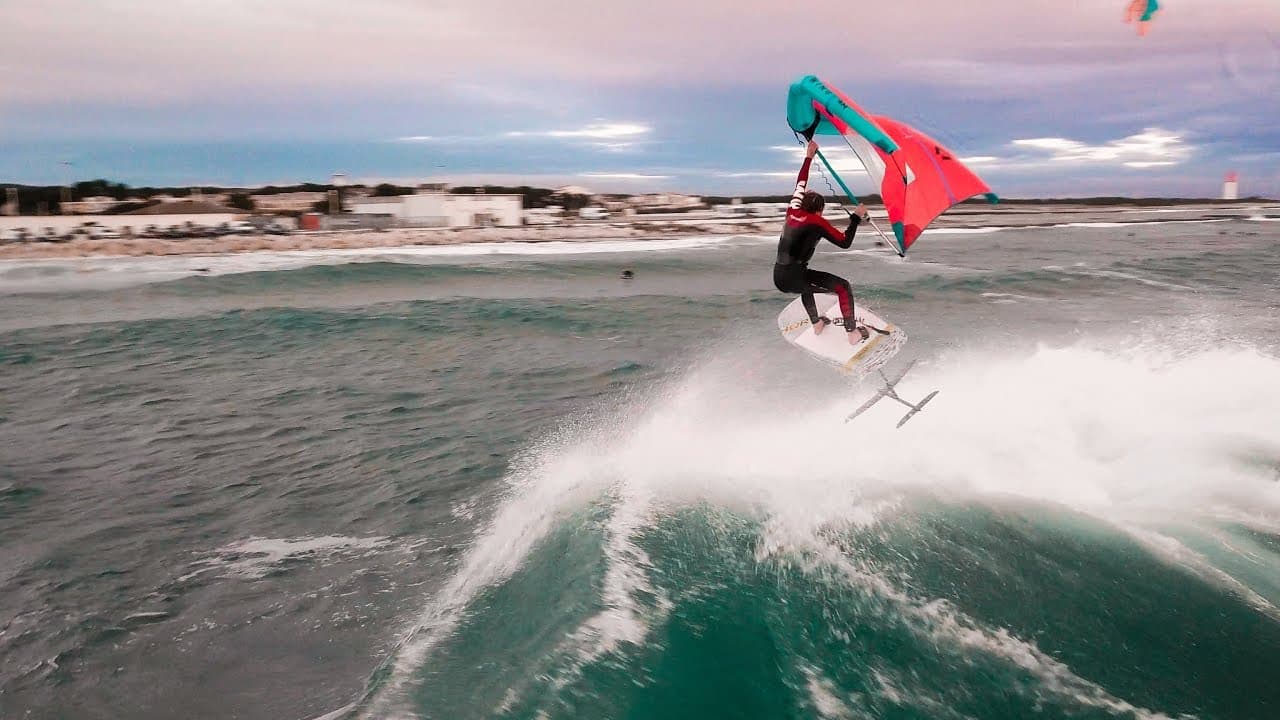
Hydrofoils let boards fly by converting forward speed into lift. A foil assembly mounted under a board produces lower pressure above the wing and higher pressure below it, lifting the rider clear of chop and reducing drag. That flight changes how you start, turn, and land; understanding lift and speed is the first step to riding confidently and safely.
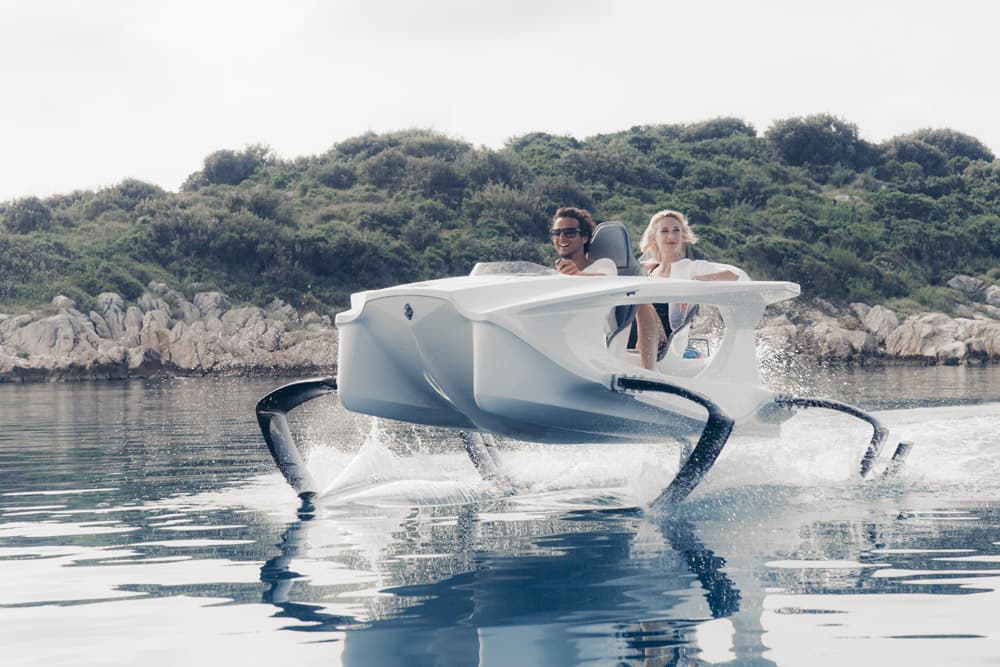
Foil surfing styles share the same physics but diverge in setup, launch method and community focus. Surf‑foiling adapts traditional surfboards and wave power. Riders use a short board and a responsive front wing to drop into waves, initiate foil lift with wave speed and then trim the wing to carve along the face. SUP‑foiling relies on larger, higher‑volume boards so paddlers can generate enough speed to lift while standing or kneeling. Wingfoiling adds a hand‑held inflatable wing that provides both propulsion and lift control, allowing launches from flat water or wind and rapid acceleration into flight. eFoiling replaces wave or wind input with an electric motor mounted to the mast; riders use a handheld throttle to cruise and climb without relying on external conditions.
Gear choices shape progression. Beginners benefit from high‑volume boards that increase stability during takeoff and reduce the penalty of mistakes. Larger front wings produce lift at lower speeds, making early flights easier. Longer masts give more clearance and time to correct balance but demand stronger balance and have more leverage in falls. Wingfoilers need a durable inflatable wing sized to wind conditions and a board with enough volume to handle the wing’s thrust. eFoil setups require understanding battery life, motor cooling and a reliable handheld controller; treating the battery system like fuel is essential for safe trips.

Technique matters as much as kit. Practice weight shifts on land and on SUP boards before stepping into surf‑foiling. Learn to pump the foil for speed control, use gentle angle of attack changes to trim lift, and prioritize smooth, early board trim rather than aggressive corrections once airborne. Wear protective gear: impact vests, helmets, and quick‑release leashes reduce injury risk during unexpected flyaways.
Local communities and instructors help shorten the learning curve. Join surf clubs, book coached sessions, and test multiple wings and foil packages before buying. With the right progression, bigger wing, bigger board, conservative mast length, riders move from tentative hops to long, low flights that feel like cheating the ocean. For readers planning to start or switch styles, choose the style that matches local conditions and prioritize lessons, then size gear toward stability to make that first sustained flight a safe, memorable milestone.
Know something we missed? Have a correction or additional information?
Submit a Tip