Hydrogen-powered car chases land-speed record on Bonneville Salt Flats
Andy Green is back on Bonneville in a hydrogen streamliner, chasing a new mark on a salt flat that has shrunk even as its record-setting aura endures.
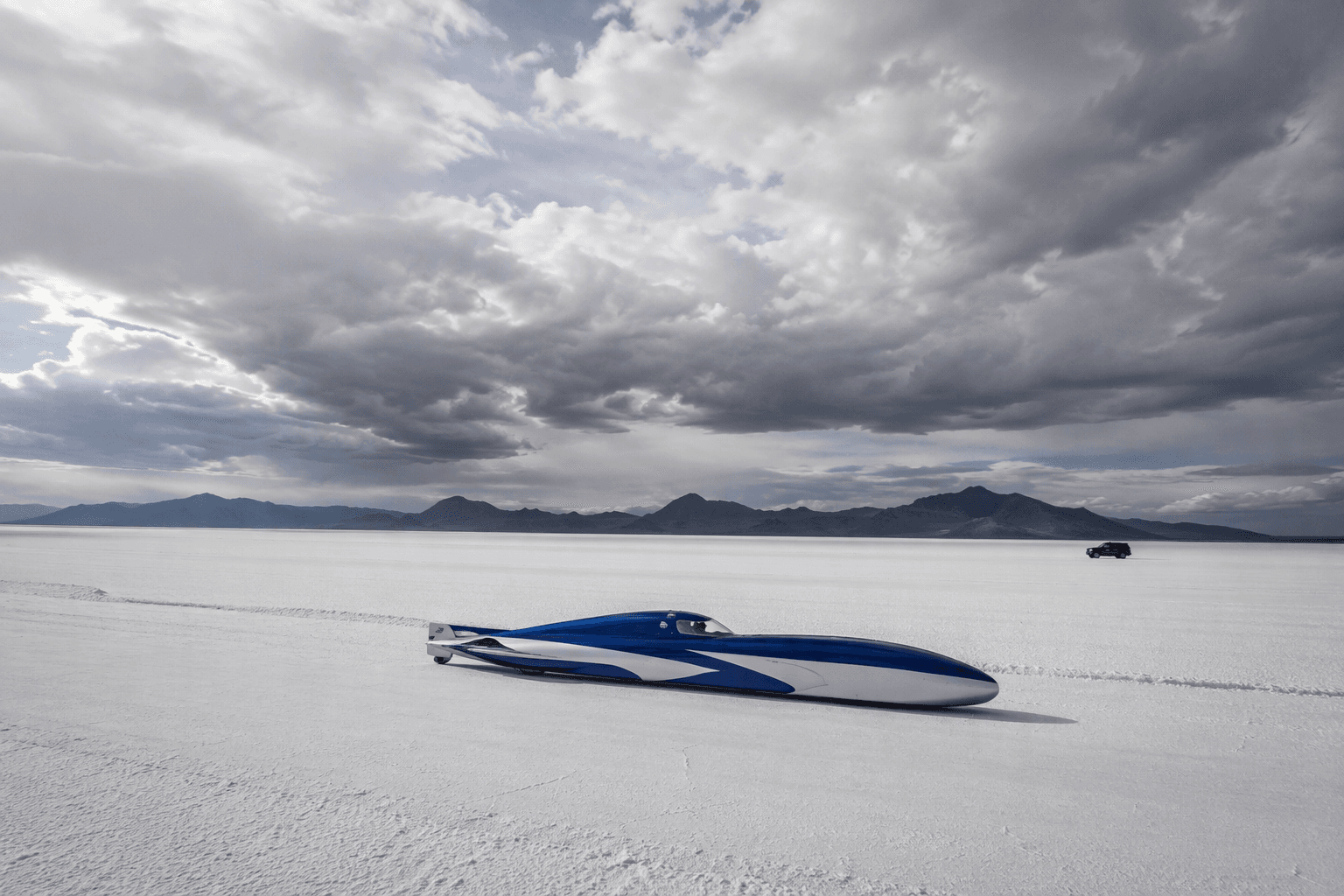
Andy Green, the former Royal Air Force officer who is the first and only person to break the sound barrier in a car, is back on the Bonneville Salt Flats near Wendover, Utah, in JCB’s hydrogen-powered Hydromax streamliner, chasing another land-speed record under FIA sanction at Bonneville Salt Flats SpeedWeek. The run folds one of motorsport’s oldest proving grounds into a newer argument about hydrogen, engineering and whether the United States still has places built to absorb extreme ambition.
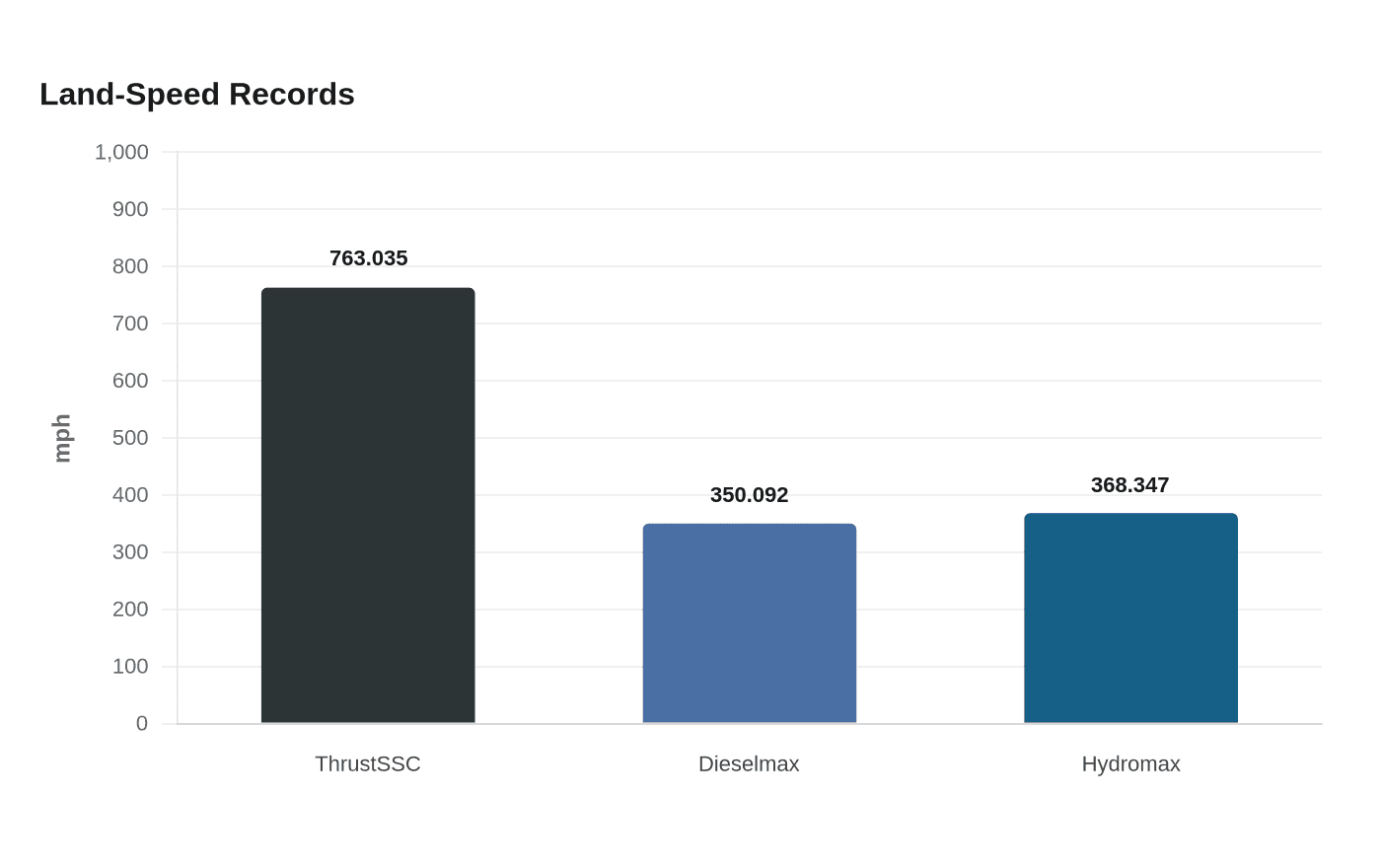
Green’s place in speed history is already locked in. He broke the sound barrier in ThrustSSC in 1997, and his current absolute land-speed record of 763.035 mph, or 1,227.985 km/h, was set that same year on the Black Rock Desert in Nevada. Bonneville is a different stage, but the same logic applies: timing, stability, aerodynamics and a surface that can reward precision or punish a mistake in an instant.
Hydromax is built around two hydrogen internal combustion engines that JCB says each produce more than 800 horsepower. JCB says the campaign comes 20 years after its Dieselmax team set a diesel land-speed record of 350.092 mph, and the company later said Hydromax reached 368.347 mph on the Bonneville Salt Flats during its record campaign. The FIA said it would officiate the hydrogen attempt, giving the effort the formal measuring stick these record chases demand.
The setting carries its own warning. In August 2025, Chris Raschke died after losing control during a speed-record attempt at Bonneville, a reminder that even with modern telemetry and preparation, high-speed runs remain unforgiving. Bonneville itself is under pressure. A study titled Shrinking Salt Crusts of the Bonneville Basin, Utah found the salt flats had shrunk by 75% since 1925 and were declining by 0.75 to 1.45 square kilometers a year, while Utah pledged $5 million in 2022 toward restoration. The salt pan that made Bonneville famous is becoming harder to trust, and every new record attempt now doubles as a test of how much longer this historic strip of ground can keep serving the machines that chase speed across it.
This article was produced by Prism’s automated news system from verified source data, official records, and press releases, then run through automated quality and moderation checks before publishing. The system is built and supervised by the people who set the standards it runs under. Read our full AI policy.
Did this article answer your question?