IAEA says Iran nuclear picture largely unchanged after U.S.-Israeli war
War hit Iran’s nuclear sites, but it did not settle the hardest question: where the enriched uranium is and what remains of it.

The latest International Atomic Energy Agency report showed a stark disconnect between military force and nuclear reality: after months of U.S.-Israeli strikes, the agency said Iran’s nuclear picture had changed very little. The confidential assessment, sent to member states on June 4, was the IAEA’s first on Iran since the day before the air campaign began at the end of February.
The agency said it still could not verify the fate of Iran’s previously declared low-enriched and highly enriched uranium stockpiles for nearly a year, including material enriched to up to 60% purity, a level only a short technical step from weapons-grade. It also said it had been unable to return to the Iranian nuclear sites bombed by Israel and the United States, leaving some of the most important questions about Iran’s program unanswered. The IAEA said its overall assessment was largely unchanged from the reports it issued in late February.

That uncertainty keeps the uranium stockpile at the center of the standoff between Washington and Tehran. President Donald Trump has insisted that Iran give it up, while Trump and Israeli Prime Minister Benjamin Netanyahu have repeatedly described the destruction of Iran’s nuclear programme as a core goal of the renewed strikes. But the IAEA report undercuts any suggestion that bombing alone has clarified how far Iran’s program has advanced or where key material now sits.
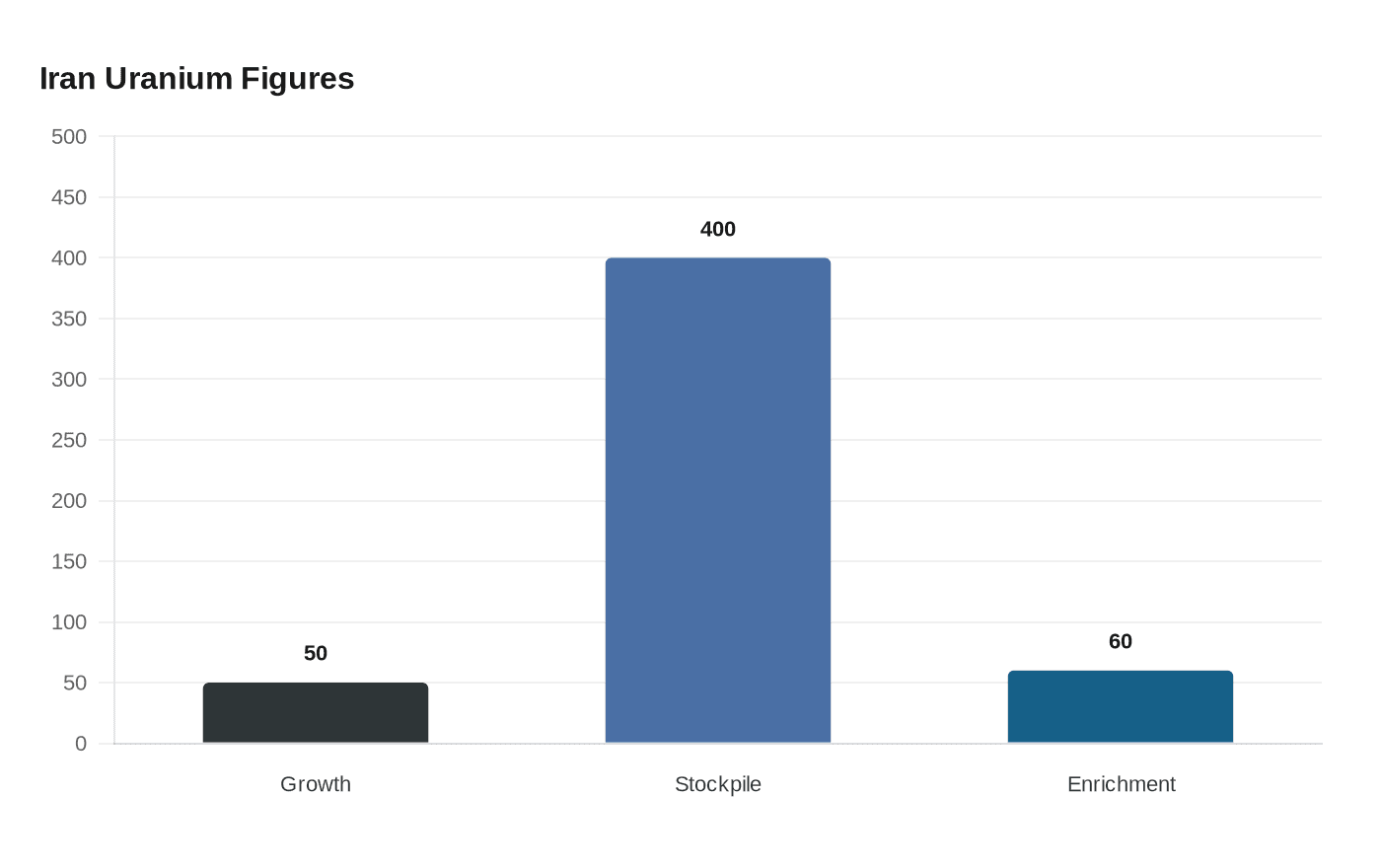
The stakes were already high before the latest war. In June 2025, Britain, France and Germany said Iran’s stockpile of uranium enriched up to 60% had grown by roughly 50% since the previous Board meeting and had climbed to more than 400 kilograms. They said Iran was producing just under one significant quantity of high-enriched uranium each month and argued that enrichment to 60% had no credible civilian justification. That same level of material remains one of the central proliferation concerns because it can be further enriched much more quickly than lower-grade uranium.
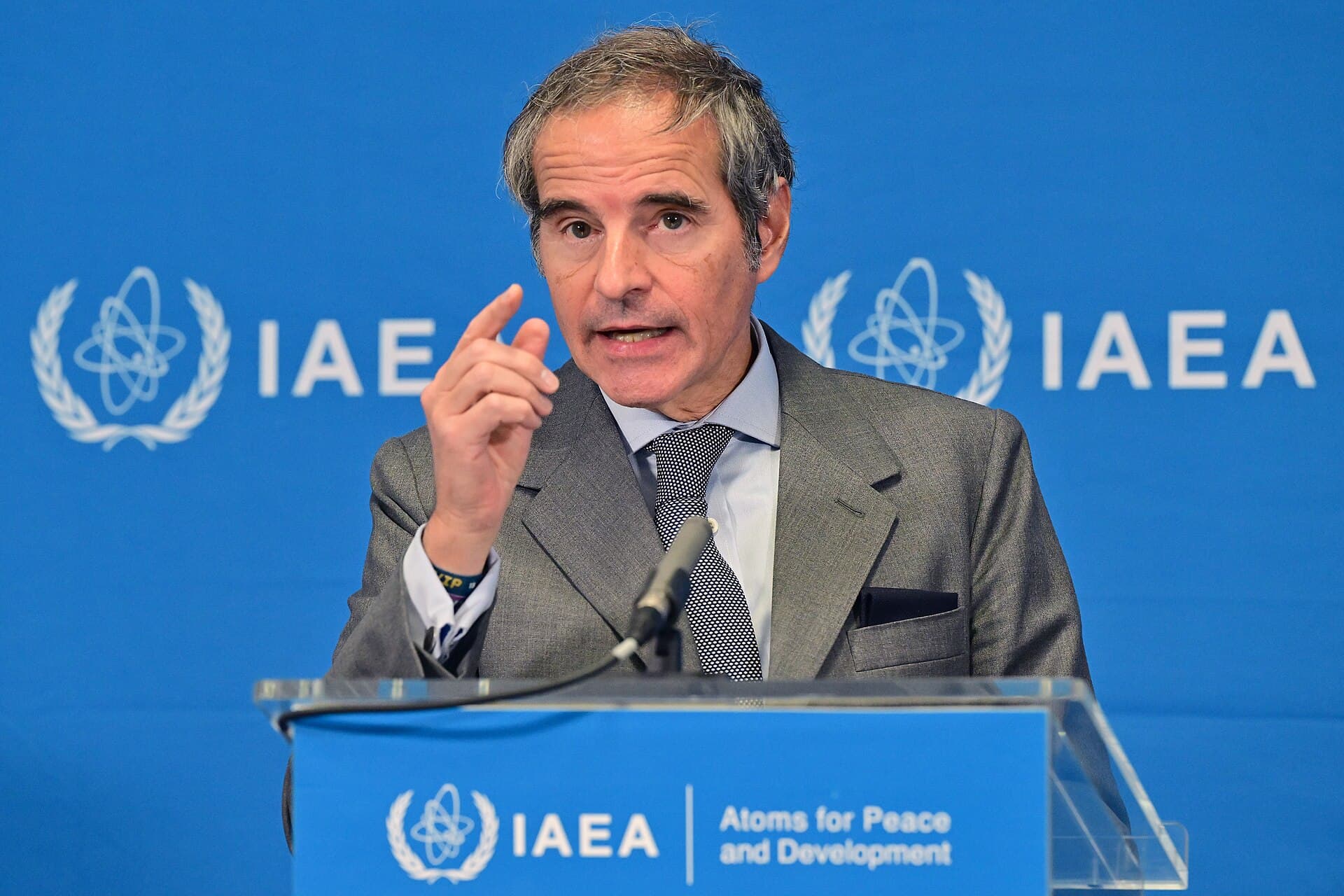
The Board of Governors sharpened the pressure in November 2025, when it adopted resolution GOV/2025/71 and asked Director General Rafael Mariano Grossi to report before every quarterly meeting on Iran. The resolution also called for detailed information on the locations, quantities, chemical forms and enrichment levels of Iran’s uranium stockpile, along with inventories of centrifuges and related equipment, and it reinstated several older United Nations Security Council resolutions on Iran. Even so, the latest IAEA report suggests the agency still lacks the access needed to turn battlefield damage into verified answers, leaving diplomacy to grapple with the same unresolved nuclear ledger.
This article was produced by Prism’s automated news system from verified source data, official records, and press releases, then run through automated quality and moderation checks before publishing. The system is built and supervised by the people who set the standards it runs under. Read our full AI policy.
Know something we missed? Have a correction or additional information?
Submit a Tip