ICC prosecutor Karim Khan challenges suspension over procedural flaws
Karim Khan says the ICC’s bureau suspended him before following its own rules, setting up a July 24 vote by 125 member states in New York.
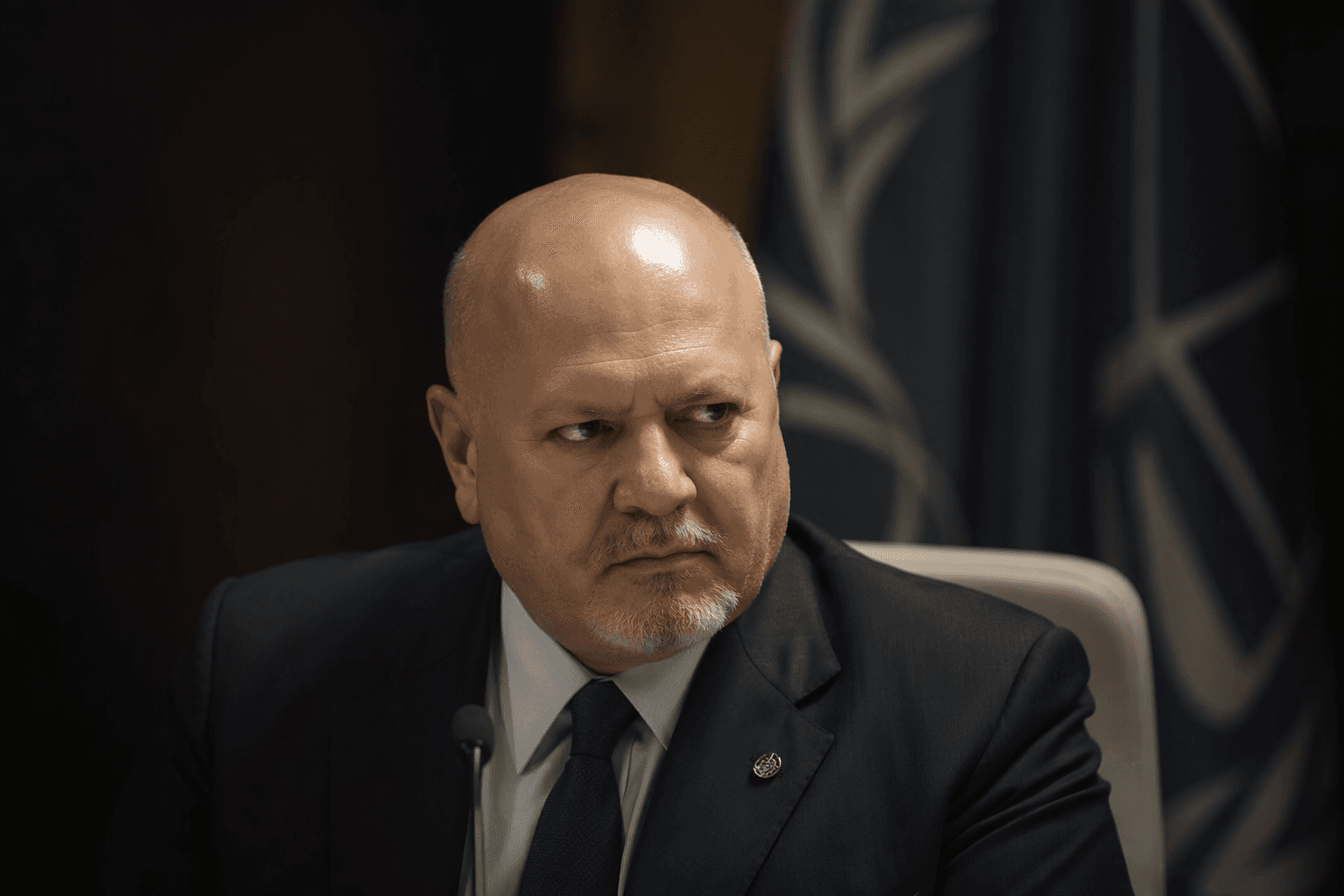
Karim Khan is challenging his immediate suspension from the International Criminal Court, saying the court’s own bureau violated procedure when it sidelined him before a July 24 vote in New York.
On June 8, the Bureau of the Assembly of States Parties suspended Khan with immediate effect and sent the disciplinary proceedings to the Assembly for a final decision. The bureau acted by qualified majority and relied on a United Nations Office of Internal Oversight Services investigation, underlying evidence, advice from an ad hoc panel of judicial experts and written submissions. The Assembly oversees the ICC’s management and legislative work, and each of its 125 member states has one vote. It later scheduled a special session for July 24 at United Nations Headquarters in New York. The bureau recommended that the session be held in private and that no official side-events take place.
Khan told Al Arabiya that the suspension was “astonishing, unjustified and unlawful” and said the bureau violated court procedures. His lawyers argue that external judges found there was not enough evidence to prove the allegations beyond a reasonable doubt. The Assembly presidency received the panel of judicial experts’ conclusions on March 9, 2026, and the bureau was to meet within five working days to begin considering the OIOS report and the panel’s findings, both of which were kept confidential.
The case has been building since allegations involving Khan emerged in 2024. He stepped aside in May 2025 while the UN investigation continued. On June 24, diplomats running the oversight body concluded that he had an inappropriate sexual relationship with a junior staff member and recommended that he be fired. Khan has denied the allegations through his lawyers.

Since taking office in 2021, Khan has pursued arrest warrants involving Vladimir Putin, Benjamin Netanyahu, Yoav Gallant and Mohammed Deif.
This article was produced by Prism’s automated news system from verified source data, official records, and press releases, then run through automated quality and moderation checks before publishing. The system is built and supervised by the people who set the standards it runs under. Read our full AI policy.
Know something we missed? Have a correction or additional information?
Submit a Tip