ICE activity sparks fear, school absences in Pelican Rapids
Federal immigration arrests in Pelican Rapids prompted fear and about 30 students missed school, disrupting families and local services.
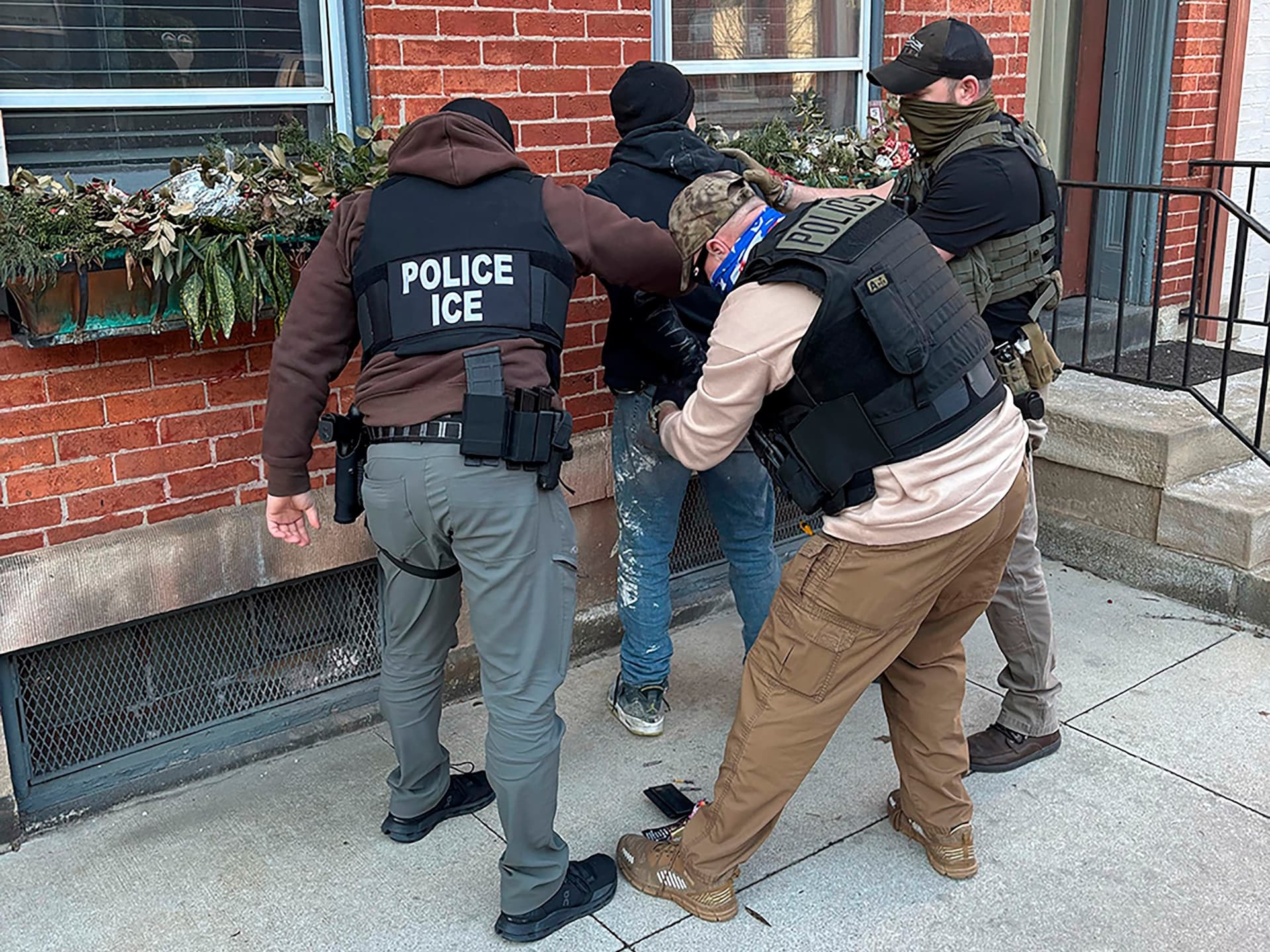
Palpable fear swept Pelican Rapids Monday after federal Immigration and Customs Enforcement agents carried out at least one arrest in the area on Sunday, Jan. 11. The visit left many families shaken, about 30 students absent from school Monday, and community routines interrupted across this Otter Tail County town known as a melting pot of cultures.
Residents described chaos and confusion as agents visited neighborhoods. Some people followed the agents in their cars, honking horns and warning others; others retreated indoors. The local Catholic church canceled its Hispanic Mass on Sunday amid concerns about safety and the uncertainty in the wake of the enforcement action. Social media in the community showed a mix of support for and criticism of the ICE activity, and local business owners and residents reported a range of reactions from solidarity to fear.
Community organizers and activists mobilized quickly to support families facing uncertainty, helping to coordinate information and immediate needs. Ivan Olson, an activist, said, “The fear we feel as activists pales in comparison to what they feel. You could see it, you could feel it.” That sentiment echoed across neighborhoods where some families kept children home from school and others limited trips outside their homes.
The short-term consequences were tangible: missed school can interrupt learning and access to school-based services such as meals and counseling. Local businesses reported quieter streets and fewer customers Monday, a ripple effect that can compound stress for families already navigating economic and linguistic barriers. Health and social service access may also be affected if people delay appointments or outreach for fear of encountering enforcement officers.

The scene in Pelican Rapids highlights broader policy tensions. Enforcement actions can drive immediate public safety concerns even as they aim to carry out immigration law. For frontline health and social workers, sudden drops in school attendance and reduced community mobility complicate efforts to provide routine care, mental health support, and preventive services. For a town with deep immigrant roots, disruptions from enforcement reverberate beyond individual cases to community cohesion and trust in public institutions.
ICE officials did not respond to requests for comment. In the absence of official clarification, local networks and faith groups have been filling information and support gaps.
Our two cents? If you’re worried or know someone affected, check in with neighbors, stay tuned to trusted local channels for school and safety updates, and prioritize children’s well-being—keeping them home is understandable, but do reach out to school staff or community groups if you need support.
Sources:
Know something we missed? Have a correction or additional information?
Submit a Tip