ICE backs away from warehouse detention expansion across the U.S.
ICE began selling off warehouse sites and backing away from a plan to detain up to 10,000 people in a single facility. The reversal followed lawsuits, local resistance and more than $1 billion in spending.
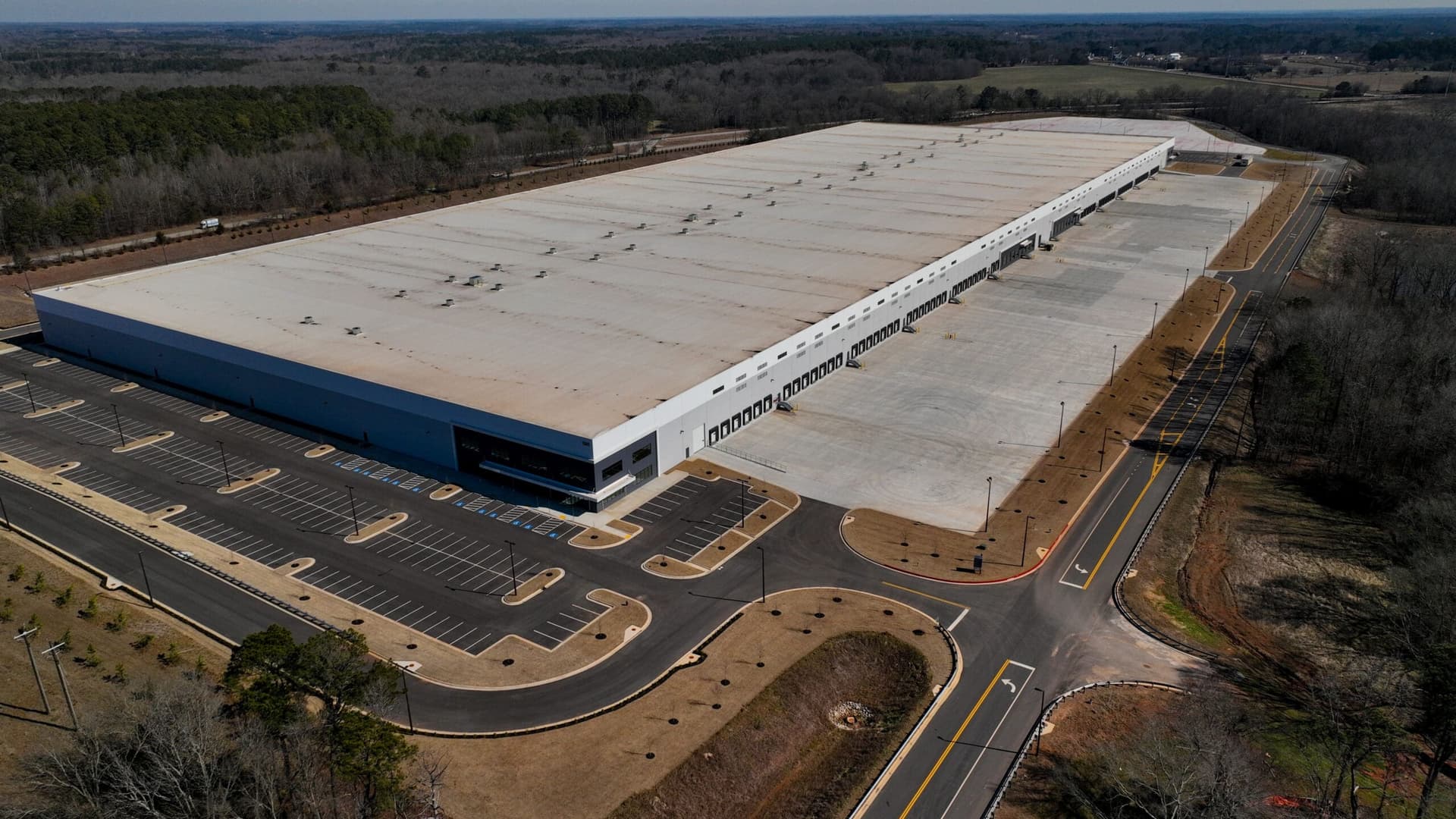
Federal immigration officials have started backing away from a warehouse detention plan that was meant to hold up to 10,000 people at a single site, unwinding a major piece of the Trump administration’s effort to expand immigrant detention fast. The retreat covers a network of 11 warehouse purchases across eight states and follows mounting legal, political and operational resistance.
The government spent a combined $1.074 billion on those warehouses in Arizona, Georgia, Maryland, Michigan, New Jersey, Pennsylvania, Texas and Utah. Now, seven of the 11 sites are slated for disposal, either through sale or transfer to another federal agency, a sharp reversal for a strategy that had been presented as one of the quickest ways to add detention space.
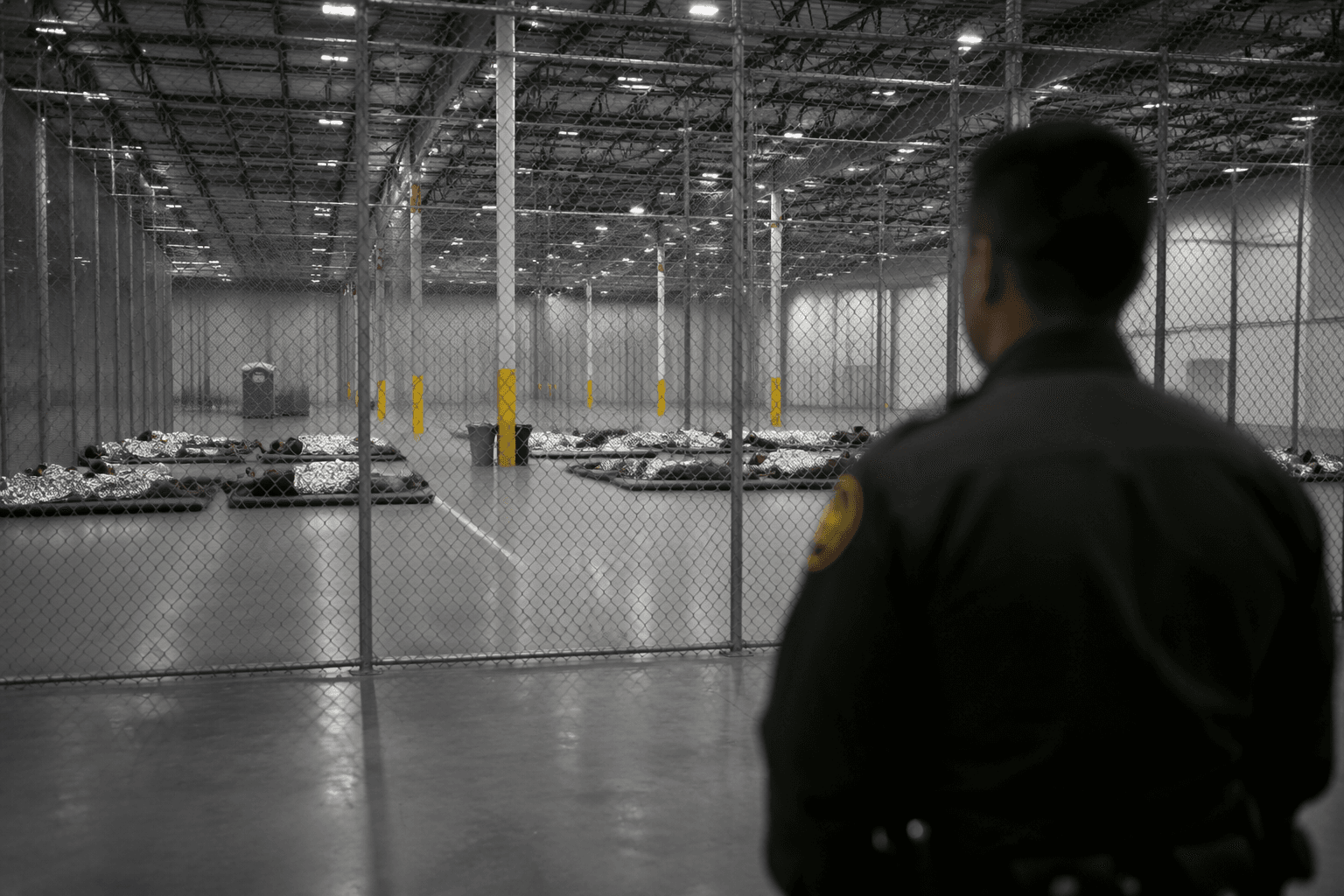
Romulus, Michigan, became one of the clearest signs of the collapse. Federal immigration officials and the city told a judge in a joint filing that the warehouse bought there will be sold. Michigan Attorney General Dana Nessel sued alongside the City of Romulus over the proposed conversion, and local officials had already been battling the plan as residents and city leaders pushed back against a large detention center in their community.
The same pattern played out elsewhere. In Social Circle, Georgia, city officials said they were told the warehouse there would not be used for immigrant detention. In Socorro, the El Paso suburb in Texas, the site was also caught up in the broader retreat. The warehouses were supposed to provide capacity quickly, but the speed of the rollout left federal officials exposed to lawsuits, local zoning fights and environmental challenges that slowed or blocked projects in Maryland, New Jersey and Michigan.
The scale of the pullback matters because the warehouse strategy was central to Kristi Noem’s broader detention expansion effort at the Department of Homeland Security. Earlier reporting indicated the department paused new warehouse purchases while reviewing Noem-era contracts, and Markwayne Mullin, Noem’s replacement, later paused new purchases as well. That left the warehouse program with expensive properties, but no clear path to turning them into functioning detention centers.
The result is a public retreat from one of the most visible detention tactics of the Noem era. After more than $1 billion was spent and 11 sites were assembled, the government is now undoing much of the plan before it could fully scale, a sign that the practical limits of warehouse-style detention proved harder to overcome than the administration expected.
This article was produced by Prism’s automated news system from verified source data, official records, and press releases, then run through automated quality and moderation checks before publishing. The system is built and supervised by the people who set the standards it runs under. Read our full AI policy.
Know something we missed? Have a correction or additional information?
Submit a Tip