ICE daily arrests double as immigration crackdown intensifies
ICE detained more than 10,000 people in five days as daily arrests doubled, deepening fear in immigrant communities and signaling a quieter enforcement shift.

Federal immigration officials detained more than 10,000 people in five days as ICE doubled its daily arrest pace and pushed enforcement deeper into immigrant communities with less fanfare than last year’s large urban operations. The increase has intensified fear nationwide, especially as the arrests have become less visible and more routine.
The pace marks a sharp break from late 2024, when ICE was making roughly 300 arrests per day before Donald Trump took office. Since then, arrest numbers have climbed steadily, reflecting internal pressure inside Immigration and Customs Enforcement to raise totals and keep them high. ICE’s Enforcement and Removal Operations says it uses targeted, intelligence-driven operations, and the agency posts arrest statistics on a quarterly basis rather than in real time.
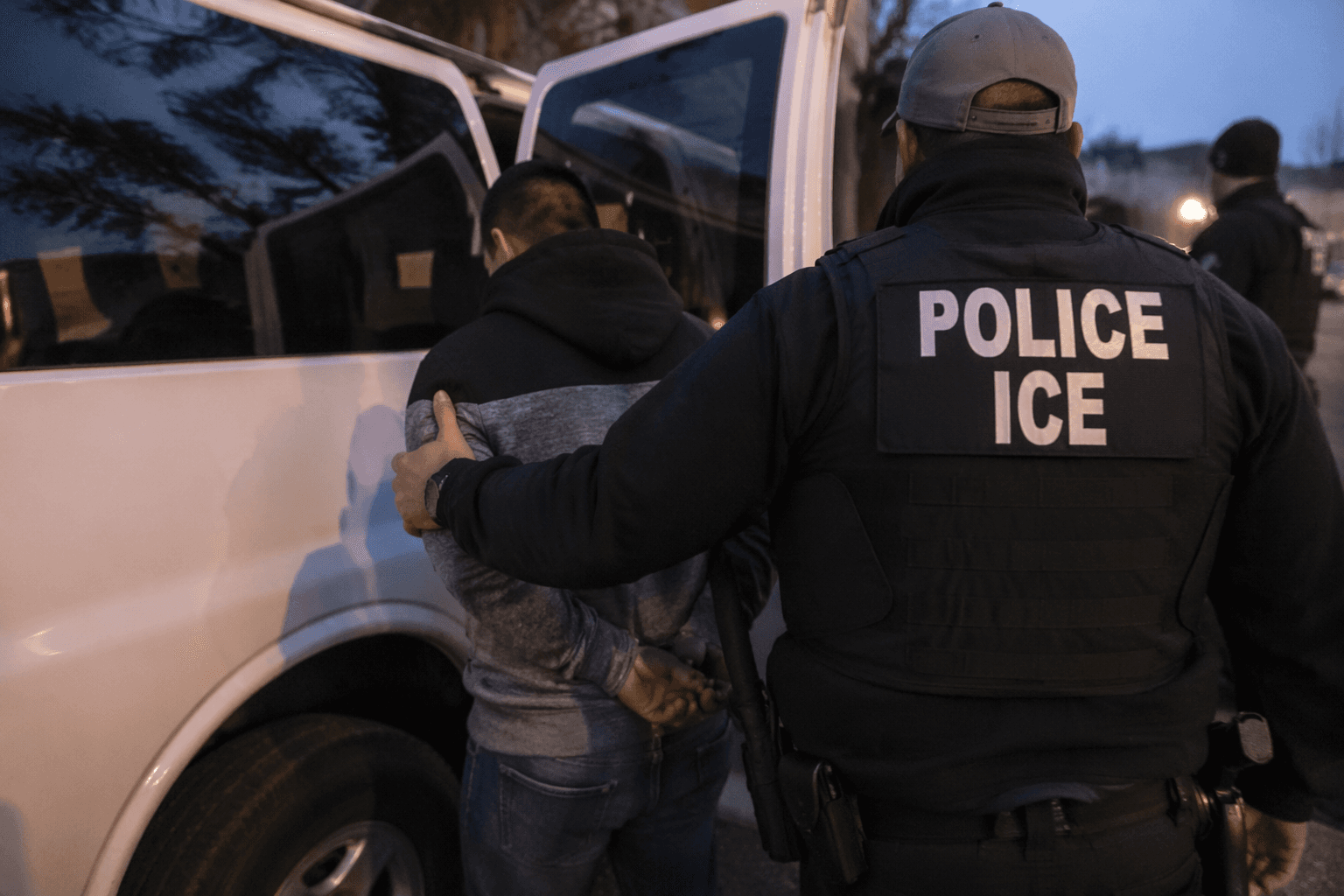
That slower reporting cycle has made the current surge harder to track as it unfolds. But independent analyses of ICE records obtained through public-records requests found that a substantial share of arrests involved people without criminal convictions. Research released by the Deportation Data Project and affiliated UCLA and UC Berkeley-linked researchers followed ICE arrests, detentions and deportations through March 10, 2026, adding to evidence that the campaign has swept in more than the administration’s repeated focus on “criminal illegal aliens” and the “worst of the worst.”
The White House and the Department of Homeland Security have kept that language at the center of their public messaging, while a June DHS press push said ICE had surpassed 10,000 gang-member arrests under Trump. Even as officials emphasize those figures, public reporting throughout 2025 and 2026 documented a shift toward more community-based street arrests and away from the large, headline-grabbing raids that dominated earlier phases of the crackdown.
The political backdrop sharpened on June 30, when the Supreme Court upheld birthright citizenship and rejected Trump’s executive-order attempt to end it. The ruling did not slow the enforcement drive. Instead, it raised the stakes around a campaign that is now being measured not just by arrests, but by how quietly those arrests are being made and how widely the fear is spreading in immigrant communities from city neighborhoods to suburban streets.
This article was produced by Prism’s automated news system from verified source data, official records, and press releases, then run through automated quality and moderation checks before publishing. The system is built and supervised by the people who set the standards it runs under. Read our full AI policy.
Did this article answer your question?