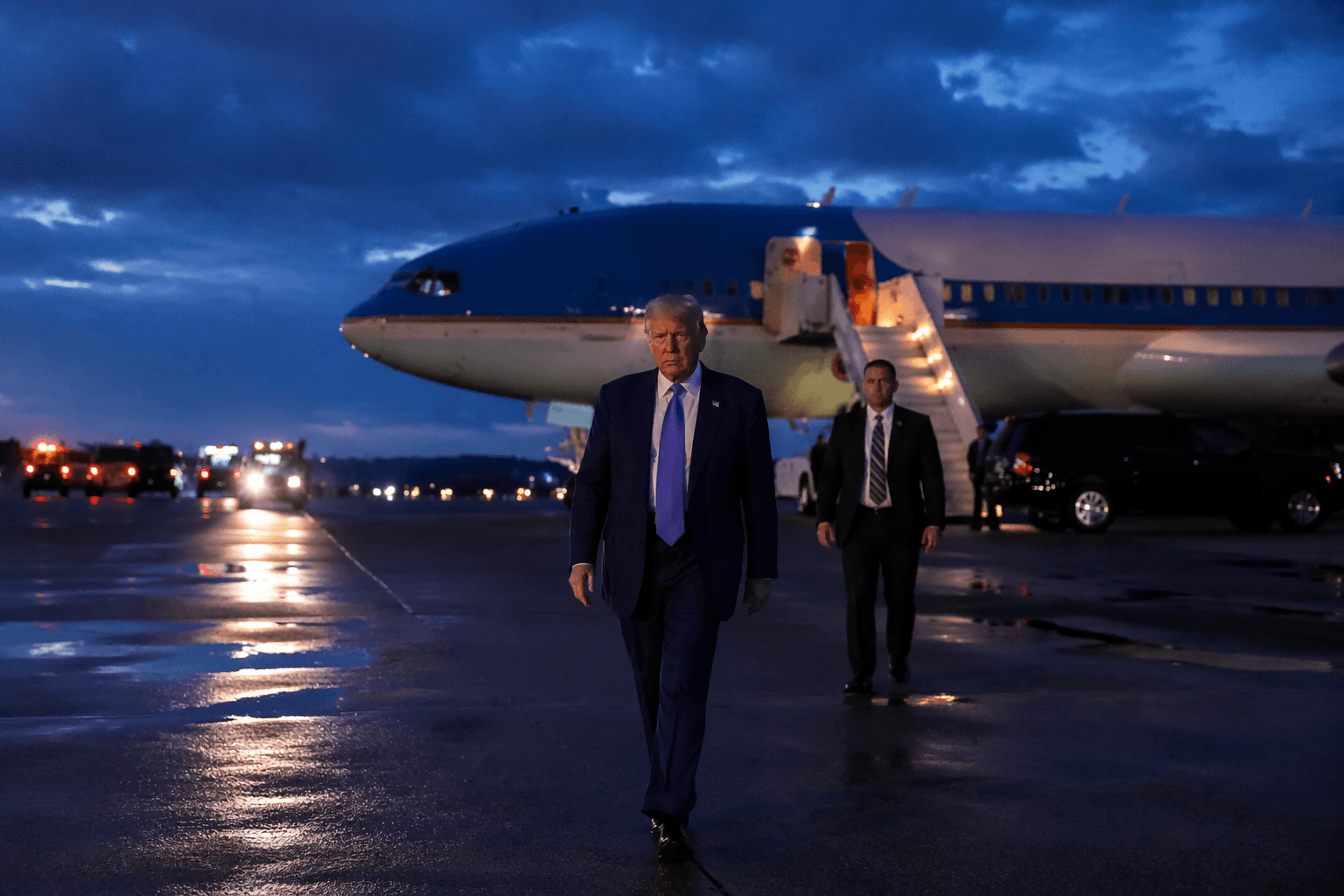
ICE Shifts Tactics Toward Local Police, But Even Conservative Sheriffs Have Concerns
After the deadly, politically toxic Minnesota blitz, ICE is pivoting to quieter enforcement built on local police partnerships, but Florida conservatives are pushing back on arresting law-abiding immigrants.
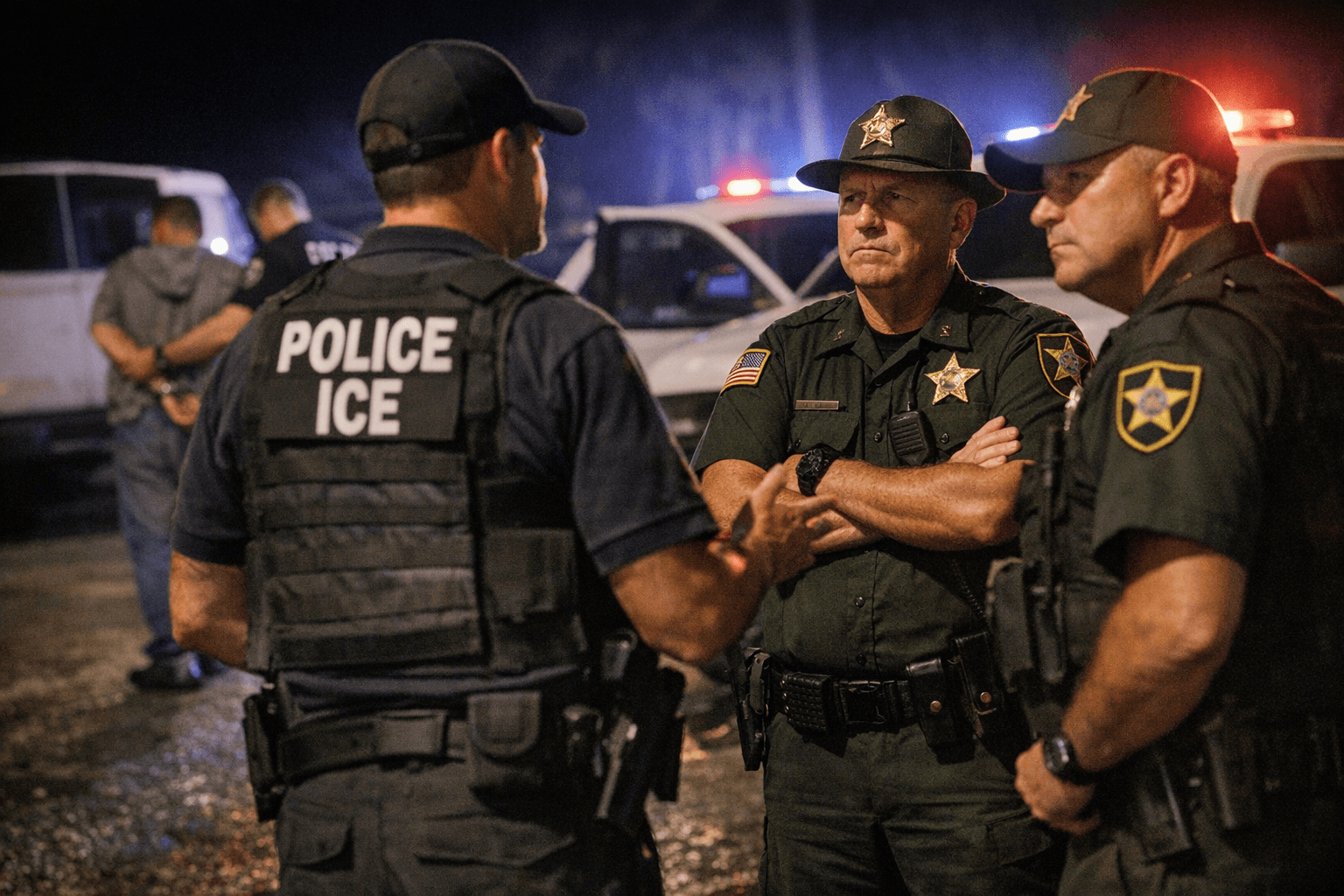
The federal government's immigration enforcement strategy is shifting course. After the high-profile, politically damaging operation in Minnesota earlier this year, Immigration and Customs Enforcement appears to be pulling back from aggressive street-level raids in favor of a quieter model built on deputizing local police. Even in Florida, where all 67 counties are legally bound to cooperate with ICE, the approach is generating unexpected resistance from some of the state's most prominent conservative law enforcement officials.
The Minnesota operation was a breaking point. Federal officers deployed tear gas near schools and neighborhoods, slammed protesters to the ground, dragged people from cars, and ultimately killed two U.S. citizens. The operation cost Minneapolis more than $200 million in a single month and triggered legal chaos: a federal judge found ICE violated at least 96 court orders in Minnesota between January 1 and January 28 alone. The tactics also proved deeply unpopular. A February-March 2026 poll found likely midterm voters were split nearly 50-50 over whether they approved or disapproved of President Trump's handling of immigration.
Markwayne Mullin, the new secretary for the Department of Homeland Security, made ICE's new direction explicit at his confirmation hearing. "I would love to see ICE become a transport more than the front line," Mullin told Congress. "If we can get back into just simply working with law enforcement, we're going to them, we're picking up these criminals from their jail." A DHS spokesperson reinforced that message, saying "ICE has supercharged efforts with state and local law enforcement to assist federal immigration officers in our efforts to make America safe again."
The vehicle for that supercharging is the 287(g) program, which allows ICE to formally deputize local officers to conduct immigration enforcement during routine policing duties like traffic stops. During Trump's first term in 2019, there were only 45 such agreements. In 2025 alone, there were more than 1,100, and the total now stands at more than 1,600 across 39 states. About a third of the entire U.S. population now lives in a county where a local law enforcement agency has signed a 287(g) agreement, according to an ACLU report. The most intensive version, the Task Force Model, was discontinued under the Obama administration, revived when Trump returned to office, and now makes up the majority of active agreements.
Florida sits at the center of the system. Florida has among the most 287(g) agreements in the nation, along with Texas, and in those two states alone, more than 40 million people live in a place where local law enforcement has signed one of these agreements. Between April 2025 and January 2026, state agencies arrested more than 10,400 unauthorized immigrants under Operation Tidal Wave, a joint state-federal enforcement operation. Jacksonville went further than most, passing a local ordinance that criminalizes being an undocumented immigrant, punishable by up to 60 days in jail.
Yet cracks are appearing even within that enforcement apparatus. At a March meeting of the Immigration Enforcement Council, a group of eight local law enforcement leaders appointed by Republican state officials to advise on ICE cooperation, at least six members said unauthorized immigrants who have not committed crimes should not be deported. Grady Judd, sheriff of Polk County and chair of the council, reportedly said: "There are those here that are working hard. They have kids in college or in school. They're going to church on Sunday. They're not violating the law, and they're living the American dream." DeSantis dismissed the concerns, pointing to a 2025 special legislative session that tightened immigration enforcement further.
Not all Florida sheriffs share Judd's reservations. Marion County Sheriff Billy Woods offered a sharply different view: "They came here to the United States illegally. A crime was committed every minute, every day and every year that that person is still here, they're still committing the crime. They did not come here the right way."
The divergence within Florida's own enforcement ranks points to a tension that will follow ICE's quieter strategy wherever it takes root. Some police leaders across the country have expressed concerns that cooperating with federal immigration authorities erodes community trust and could make undocumented immigrants and others afraid to call 911 when they are victims of crimes or to participate as witnesses in criminal investigations. Several states, including Maryland, New Mexico, and Maine, enacted legislation in 2026 to ban 287(g) agreements outright. Whether the new, lower-profile approach produces fewer political flashpoints than Minnesota, or simply displaces them from federal agents to local badge-holders, remains to be seen.
This article was produced by Prism’s automated news system from verified source data, official records, and press releases, then run through automated quality and moderation checks before publishing. The system is built and supervised by the people who set the standards it runs under. Read our full AI policy.
Did this article answer your question?