IEA Proposes Record 400 Million Barrel Reserve Release to Stem Middle East Oil Shock
The IEA circulated a plan for the largest strategic oil release in its history, as Middle East conflict drove crude to three-year highs above $113 a barrel.
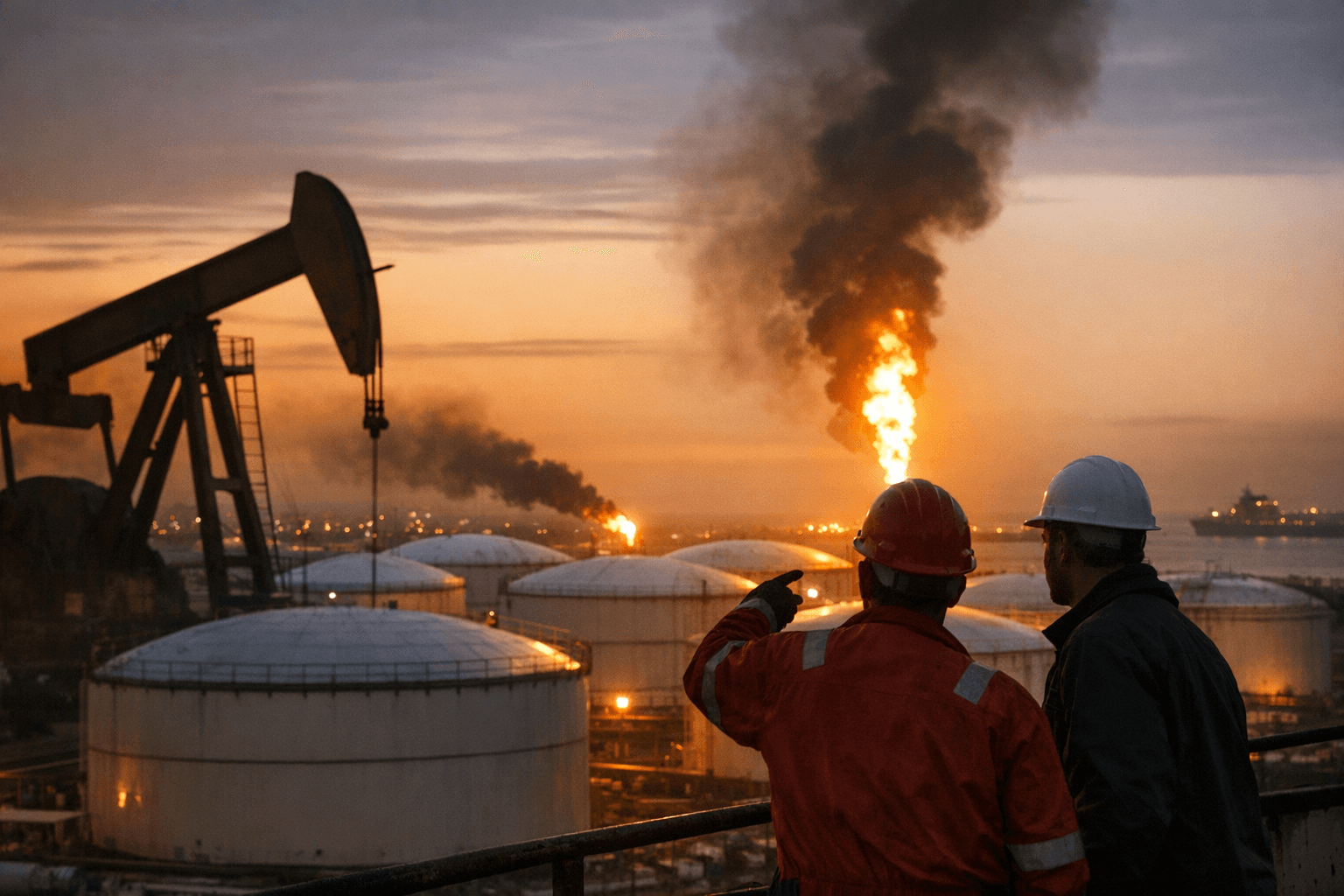
The International Energy Agency circulated a proposal to its 32 member countries for the largest coordinated release of strategic oil reserves in the agency's history, a sweeping intervention designed to blunt a sharp spike in crude prices driven by hostilities in the Middle East involving the United States, Israel and Iran.
The proposal, which the Wall Street Journal first reported Wednesday, would release between 300 million and 400 million barrels of oil onto global markets, equivalent to roughly 25 to 30 percent of the approximately 1.2 billion barrels held in IEA member stockpiles. A vote among the agency's 32 member countries was expected Wednesday. The measure dwarfs every previous emergency release in the IEA's history, exceeding the coordinated response to Russia's 2022 invasion of Ukraine and the measures taken during the 1991 Gulf War, according to reporting by the Financial Times.
Oil futures fell immediately after the WSJ report was published. Brent crude was trading down 23 cents, or 0.26 percent, at $87.57 a barrel at 0023 GMT on March 11, while West Texas Intermediate lost 37 cents, or 0.44 percent, to $83.08, according to Reuters. WTI had surged to over three-year highs of $113.28 earlier in the week before retreating sharply.
The proposal followed a discussion among G7 energy ministers on Monday, and some U.S. officials pushed for a release at the upper end of the range. J.P. Morgan analysts, in a note published Tuesday, said the United States would supply the largest share of any coordinated release, with additional barrels coming from Japan, South Korea and European strategic stocks.
The geopolitical trigger is severe. Shipping risks in the Persian Gulf escalated after a drone attack on an oil tanker over the weekend that severely disrupted freedom of navigation, raising the prospect of a prolonged blockade of the Strait of Hormuz, through which roughly one-fifth of global oil supply flows.
The proposed release would be more than double the 182 million barrels released across two coordinated actions in 2022, when the IEA mobilized member stockpiles in response to Russia's invasion of Ukraine. The United States alone released 180 million barrels in the spring of 2022; the U.S. Treasury Department later estimated that release, combined with allied contributions, lowered gasoline prices by 17 to 42 cents a gallon.
Whether a release of this scale would prove equally effective is uncertain. The track record of such interventions has been mixed, functioning as tools to improve "sentiment more than anything else," according to analyst Babin, as cited by Morningstar. The IEA's forthcoming Oil Market Report was expected to include a technical assessment of whether the proposed G7 measures would be sufficient to ease supply shortages or whether markets should brace for continued volatility.
"The aim of this extraordinary intervention would be to mitigate the supply shock and stabilise prices in the short term," according to analysis from CMC Markets.
The scale of the proposal reflects the severity of the disruption. The fact that G7 governments moved swiftly to coordinate an emergency release this large signals that policymakers view current price levels as an unacceptable economic risk, particularly with inflation still a live concern in several member economies. Whether the release ultimately suppresses prices will depend heavily on how the Middle East conflict evolves and whether the Strait of Hormuz remains open to commercial shipping.
This article was produced by Prism’s automated news system from verified source data, official records, and press releases, then run through automated quality and moderation checks before publishing. The system is built and supervised by the people who set the standards it runs under. Read our full AI policy.
Did this article answer your question?

